
Most people think of blood sugar control as a simple equation: eat less sugar, take your medication, and hope for the best. But emerging research is revealing something far more fascinating — that the key to blood sugar regulation may lie not just in what you eat, but in who is living in your gut.
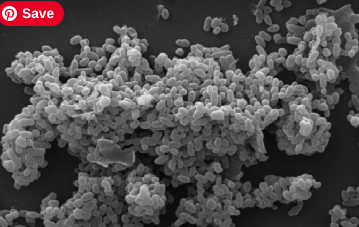
Meet Akkermansia muciniphila.
This remarkable species of gut bacteria has become one of the most studied microorganisms in nutritional science over the past decade. Unlike many gut bacteria that live on the food you digest, Akkermansia lives on the mucin layer — the protective lining of your intestinal wall. In doing so, it helps maintain the integrity of that lining, slowing the absorption of sugar into the bloodstream and protecting the gut from leaky gut syndrome, harmful pathogens, and chronic inflammation.
Research has consistently shown that people with higher levels of Akkermansia in their gut have better blood sugar control, lower rates of obesity, and reduced markers of metabolic disease. People with type 2 diabetes, on the other hand, tend to have significantly lower levels of this beneficial bacteria.
The question is: how do you support Akkermansia? The answer, as Dr. Terry Shintani explains, lies in feeding it the right nutrients — specifically ellagic acid, catechins, and tannins. These are plant compounds found in specific whole foods that Akkermansia thrives on.
Here are seven foods rich in these compounds that may help support blood sugar control and a healthier gut.
1. Berries
Berries — blueberries, strawberries, raspberries, and blackberries in particular — are among the richest sources of ellagic acid and other polyphenols that feed Akkermansia. They are also low on the glycemic index, meaning they raise blood sugar slowly and gently compared to other sweet foods. Regular berry consumption has been associated in research with improved insulin sensitivity, reduced inflammation, and better gut microbiome diversity. A handful of mixed berries daily is one of the simplest and most enjoyable upgrades to any anti-diabetic diet.
2. Pomegranate
Pomegranate is exceptionally high in ellagic acid — in fact, it is one of the densest food sources of this compound available. When ellagic acid is metabolized by gut bacteria, it produces urolithins, which have been shown to have powerful anti-inflammatory and cell-protective effects. Studies have found that pomegranate consumption can meaningfully reduce fasting blood sugar levels and improve insulin resistance in people with type 2 diabetes and prediabetes.
3. Green Tea
Green tea is one of the richest food sources of catechins — particularly EGCG (epigallocatechin gallate), which has been extensively studied for its effects on metabolism, blood sugar, and gut health. Catechins have been shown to directly support the growth of Akkermansia in the gut, as well as to improve insulin sensitivity and reduce post-meal blood sugar spikes. Drinking two to three cups of green tea daily is one of the most evidence-supported dietary habits for metabolic health.
4. Apples
The old saying about an apple a day has more scientific backing than most people realize. Apples are rich in both catechins and quercetin — two plant compounds with documented effects on gut bacteria and blood sugar regulation. The pectin fiber in apples also acts as a prebiotic, feeding beneficial bacteria including Akkermansia. Importantly, most of the beneficial compounds in apples are concentrated in the skin — so eating apples whole and unpeeled, preferably organic, provides the greatest benefit.
5. Nuts
Nuts — particularly walnuts, pecans, and almonds — are good sources of tannins and polyphenols that support a healthy gut microbiome. They also provide healthy fats, magnesium, and fiber that collectively support stable blood sugar. Research has shown that regular nut consumption is associated with lower fasting blood sugar levels and improved glycemic control in people with type 2 diabetes. A small handful of mixed nuts daily — unsalted and unroasted where possible — is an easy addition to an anti-diabetic eating pattern.
6. Legumes
Legumes — beans, lentils, chickpeas, and split peas — are among the most powerful blood-sugar-stabilizing foods available. They are rich in tannins, soluble fiber, and resistant starch, all of which slow glucose absorption, feed beneficial gut bacteria, and improve the gut’s overall microbial diversity. Studies have consistently shown that people who eat legumes regularly have better blood sugar control and lower rates of type 2 diabetes. The Peace Diet places legumes at the center of its nutritional approach for exactly this reason.
7. Dark Chocolate — The Surprise
Of all the foods on this list, dark chocolate is the one that most surprises people — but the science is real. High-quality dark chocolate (70% cacao or higher) is rich in flavanols, catechins, and tannins that have been shown to support the growth of beneficial gut bacteria including Akkermansia. It also contains magnesium and compounds that improve insulin sensitivity. The key is choosing chocolate with minimal added sugar and high cacao content — a small square of quality dark chocolate is genuinely a health-supportive food, not a guilty pleasure.
The Bigger Picture
What connects all seven of these foods is that they are rich in plant compounds — ellagic acid, catechins, and tannins — that feed the beneficial bacteria in your gut, particularly Akkermansia muciniphila. By supporting this bacteria, you are supporting the integrity of your gut lining, the stability of your blood sugar, and the overall health of your metabolic system.
This is one of the most exciting areas of nutritional science right now — the realization that blood sugar control is not just about what you eat, but about the health of the microbial community living inside you. And the best way to support that community is the same as it has always been: eat real, whole, plant-centered food.
Your gut bacteria have been waiting for you to feed them properly. These seven foods are a good place to start.
Dr. Terry Shintani is a Harvard-trained physician (MD, JD, MPH), a Living Treasure of Hawai’i, and the creator of the Waianae Diet and the Peace Diet. He continues to see patients at his Honolulu practice and shares daily health insights on YouTube.
🌿 Learn more at PeaceDiet.org | Watch the video: https://www.instagram.com/p/DaWu-SqzQsK/