Skip to content
  • About
  • Blog
  • Testimonials
  • Join Us
  • Freebies
  • Contact
  • Social Media
  • PeaceDiet
  • Books
  • Age Calculator
Dr.Shintani

Dr.Shintani

Terry

Blog

Cut Your Risk of Cardiovascular Death by 41% With This Supplement

Posted on November 10, 2026 By drshintani No Comments on Cut Your Risk of Cardiovascular Death by 41% With This Supplement

Cardiovascular disease is the leading cause of death in the United States, and heart failure — where a weakened heart can no longer keep up with the body’s needs — accounts for a significant share of that burden. But a growing body of clinical research points to a simple, well-tolerated supplement that may meaningfully lower that risk: Coenzyme Q10 (CoQ10).

What the research shows

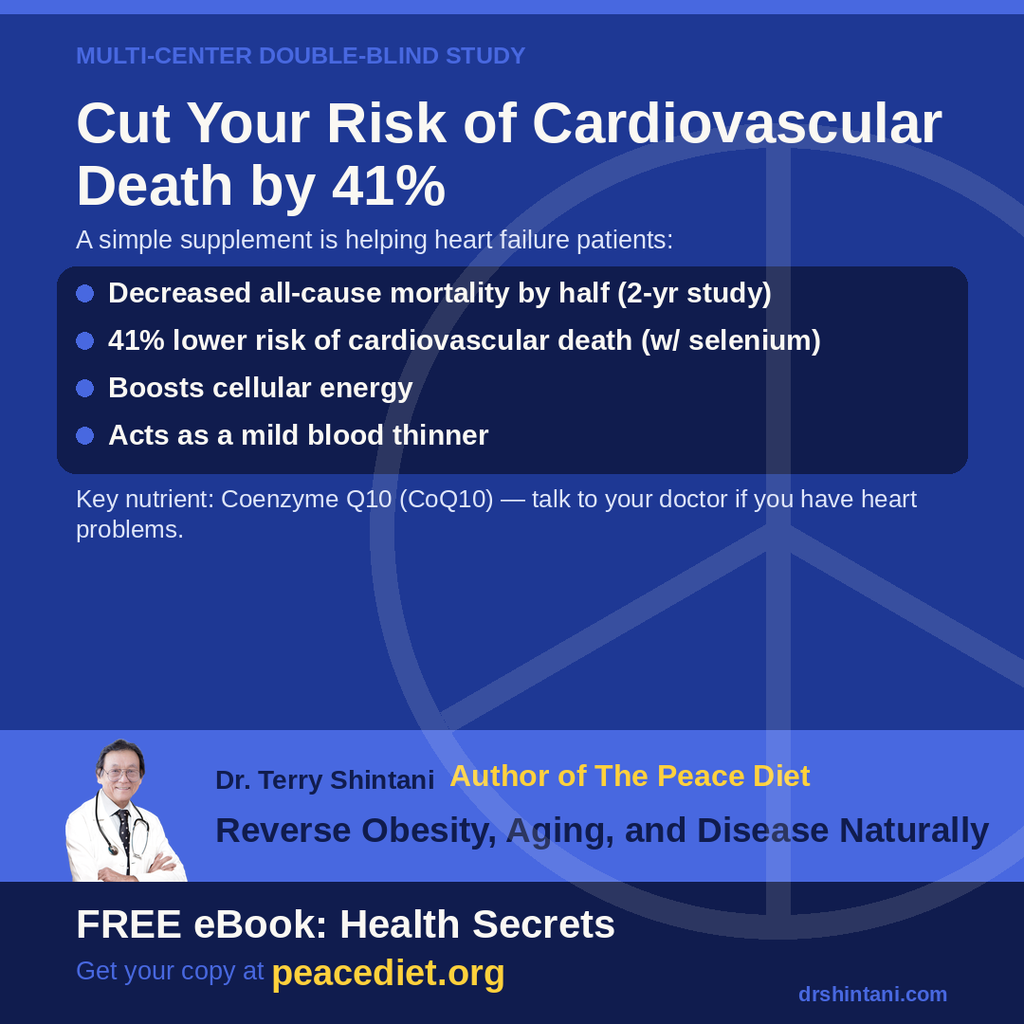
In the landmark Q-SYMBIO trial, a multi-center, randomized, double-blind study of patients with chronic heart failure, CoQ10 supplementation decreased all-cause mortality by roughly half over a two-year period compared to placebo. The findings were significant enough to be presented at the European Society of Cardiology and covered widely in the medical press as a major development in heart failure management.

In a separate, longer-term study — the Swedish KiSel-10 trial — researchers followed an elderly population for four years, with an extended follow-up period of ten years. Participants who took a combination of CoQ10 and selenium had a 41% lower risk of cardiovascular death compared to those on placebo. This trial is registered with ClinicalTrials.gov and has been widely cited in cardiovascular nutrition research.

Why CoQ10 may help

CoQ10, also known as ubiquinone, is a naturally occurring compound your cells use to produce energy. Researchers believe its cardiovascular benefits come from two main mechanisms:

  • Boosting cellular energy production — particularly important for an overworked, weakened heart muscle
  • Acting as a mild blood thinner, which may help support healthy circulation

What this means for you

If you or a loved one has heart problems, this is worth a conversation with your doctor. CoQ10 is widely available and generally well-tolerated, but as with any supplement — especially one with blood-thinning properties — it’s important to talk to your physician first, particularly if you’re already on heart medications.

Want more natural ways to protect your heart? Download my free eBook, Health Secrets, at peacediet.org.

Sources:
  • Q-SYMBIO Study — PubMed
  • ESC Press Release: A Potential New Approach to Improve Heart Failure Outcome
  • KiSel-10 Trial — ClinicalTrials.gov
  • Reduced Risk of Cardiovascular Death — Natural Health Research
Uncategorized

4 Sugar Substitutes You Should Consider Avoiding

Posted on November 9, 2026 By drshintani No Comments on 4 Sugar Substitutes You Should Consider Avoiding

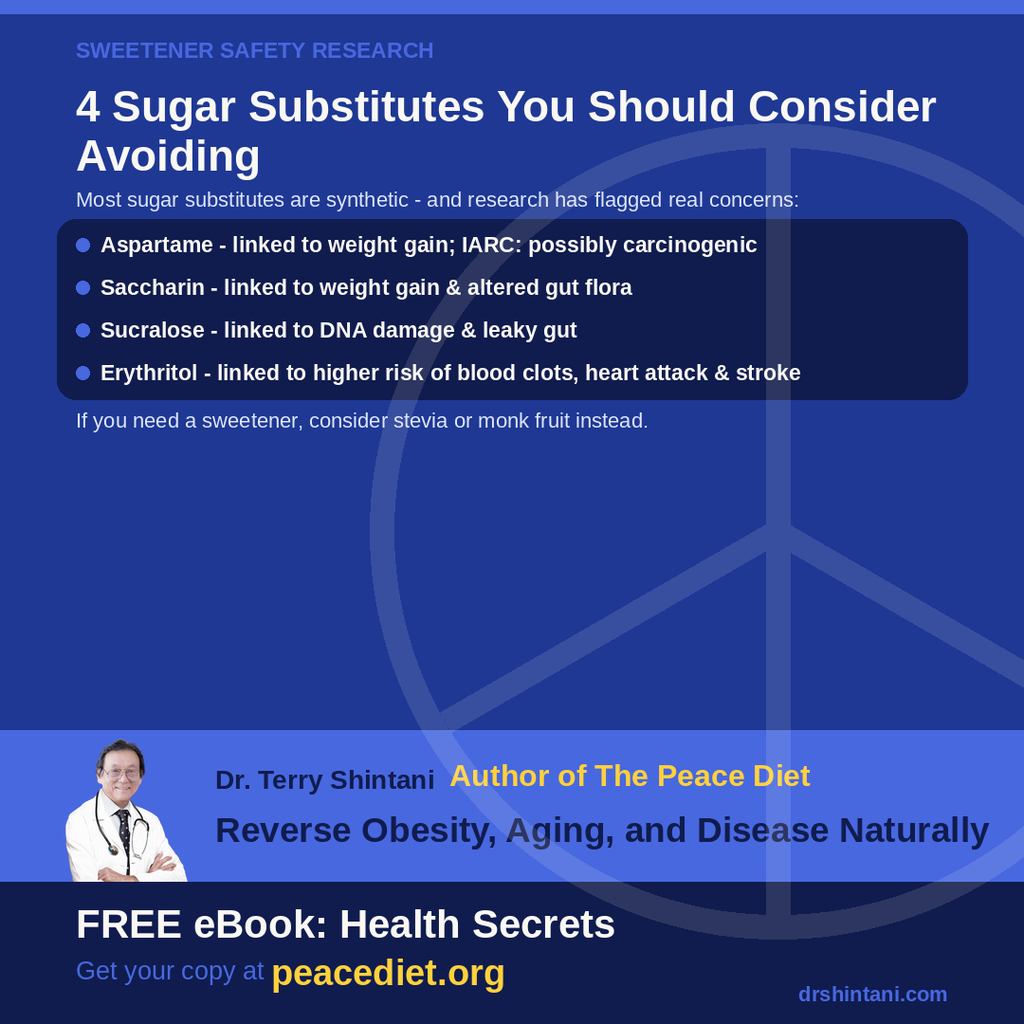
Sugar has been villainized as an ingredient to avoid, which has made sugar substitutes increasingly popular. But most of these substitutes are synthetic — and the research on several of them raises real concerns. Here are four worth reconsidering.

1. Aspartame
Research has found aspartame associated with weight gain rather than weight loss, undermining its main selling point. In 2023, the International Agency for Research on Cancer (IARC), part of the World Health Organization, classified aspartame as “possibly carcinogenic to humans” (Group 2B). The WHO/FAO’s accompanying review also concluded there was no clear benefit to weight control from using it.

2. Saccharin
One of the oldest artificial sweeteners, saccharin has research — notably the influential Suez et al. study published in Nature — linking it to altered gut microbiota and glucose intolerance in both animal models and some human subjects, alongside associations with weight gain over time.

3. Sucralose
While earlier research on sucralose and weight gain was mixed, a 2023 study from NC State University found that a breakdown compound formed when sucralose is metabolized, sucralose-6-acetate, caused DNA damage in lab testing and was linked to leaky gut syndrome.

4. Erythritol
This natural sugar alcohol has recently come under scrutiny: a 2023 study from the Cleveland Clinic, published in Nature Medicine, found erythritol associated with a higher risk of blood clots, heart attack, and stroke.

What to use instead: if you need a sweetener, stevia and monk fruit are generally considered better options — both are plant-derived, don’t carry the same research red flags, and don’t spike blood sugar.

For more tips on natural health, get Dr. Shintani’s free eBook, Health Secrets, at peacediet.org.

Sources: WHO/IARC — Aspartame Hazard Assessment | Nature — Artificial Sweeteners and Glucose Intolerance (Suez et al.) | NC State — Sucralose and DNA Damage | Cleveland Clinic/Nature Medicine — Erythritol and Cardiovascular Risk | NLM Native Voices
Uncategorized

5 Foods That Can Help Improve Insulin Sensitivity

Posted on November 7, 2026 By drshintani No Comments on 5 Foods That Can Help Improve Insulin Sensitivity

Insulin resistance — when your cells stop responding well to insulin — is at the root of blood sugar problems and type 2 diabetes. The good news: several everyday foods have research behind them for supporting better insulin sensitivity. Here are five worth adding to your routine.

1. Cinnamon
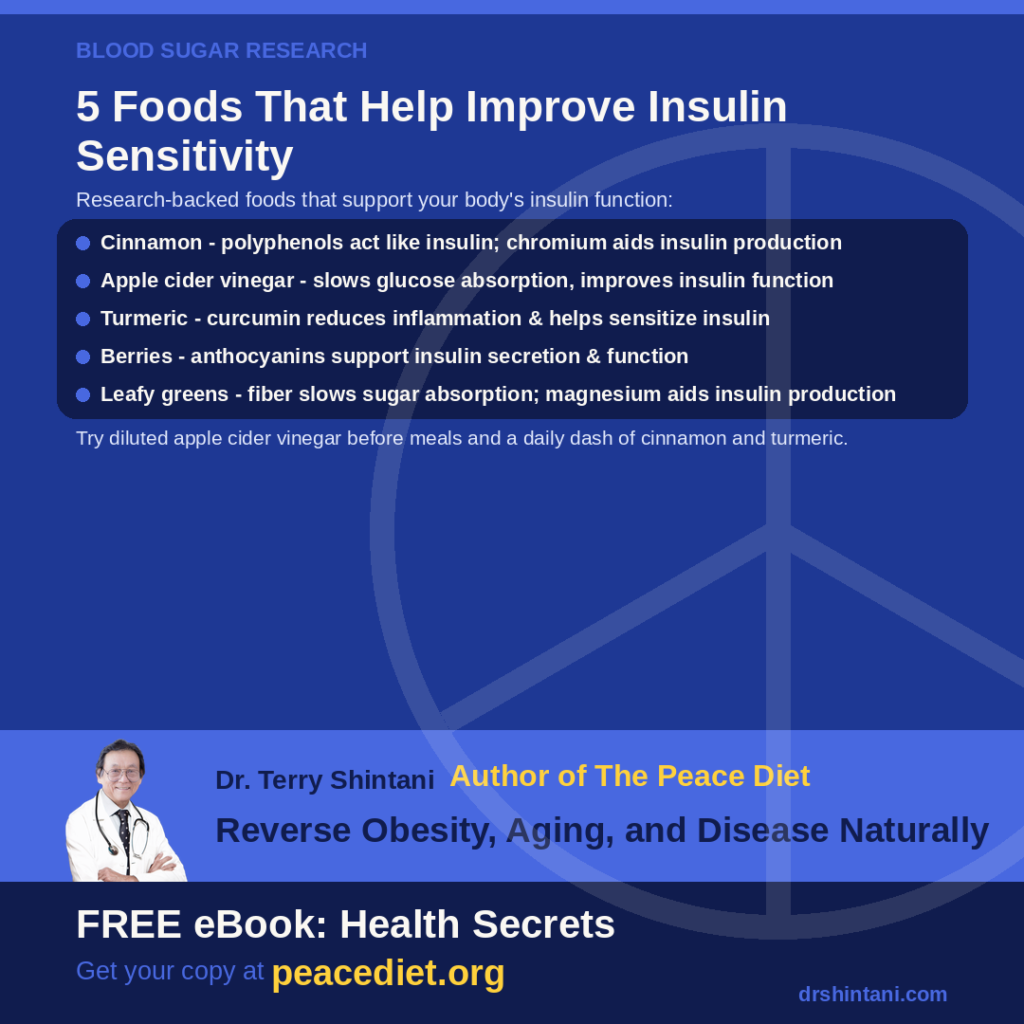
Cinnamon contains polyphenols that can mimic insulin’s action, helping cells take up glucose more efficiently. It’s also a source of chromium, a mineral your body needs for proper insulin production. Research has specifically linked chromium and polyphenols from cinnamon to improved insulin sensitivity, and lab studies have identified a cinnamon-derived compound that functions as an insulin mimetic in fat cells.

2. Apple Cider Vinegar
Consuming vinegar — diluted in water, taken before a meal — has been shown in multiple studies to slow gastric emptying and blunt the post-meal rise in blood glucose, which in turn improves how well insulin functions after eating.

3. Turmeric
Curcumin, the active compound in turmeric, has powerful anti-inflammatory properties. It also activates a transcription factor (PPAR-gamma) involved in insulin sensitization. A year-long clinical trial in Thailand found curcumin supplementation improved insulin levels and blood glucose in people with diabetes.

4. Berries
Blueberries and strawberries are rich in anthocyanins — the antioxidant compounds responsible for their color — along with fiber. Anthocyanins have been studied for their role in supporting insulin secretion and improving insulin function, making berries a useful addition for blood sugar support.

5. Leafy Greens
Spinach, kale, and collard greens are high in both fiber and magnesium. Fiber slows the absorption of sugar into the bloodstream, while magnesium is essential for proper insulin production — research has linked higher magnesium intake to lower insulin levels and better insulin sensitivity.

A simple way to start: add a dash of cinnamon and turmeric to your meals, sip diluted apple cider vinegar before eating, and build berries and leafy greens into your daily plate.

For more tips on natural health, get Dr. Shintani’s free eBook, Health Secrets, at peacediet.org.

Sources: PubMed — Chromium and Polyphenols from Cinnamon Improve Insulin Sensitivity | NLM Native Voices | PubMed — Anthocyanins and Type 2 Diabetes Prevention | CDC — Insulin Resistance
Uncategorized

A Natural Antidepressant That Tastes Really Good

Posted on November 6, 2026November 6, 2026 By drshintani No Comments on A Natural Antidepressant That Tastes Really Good

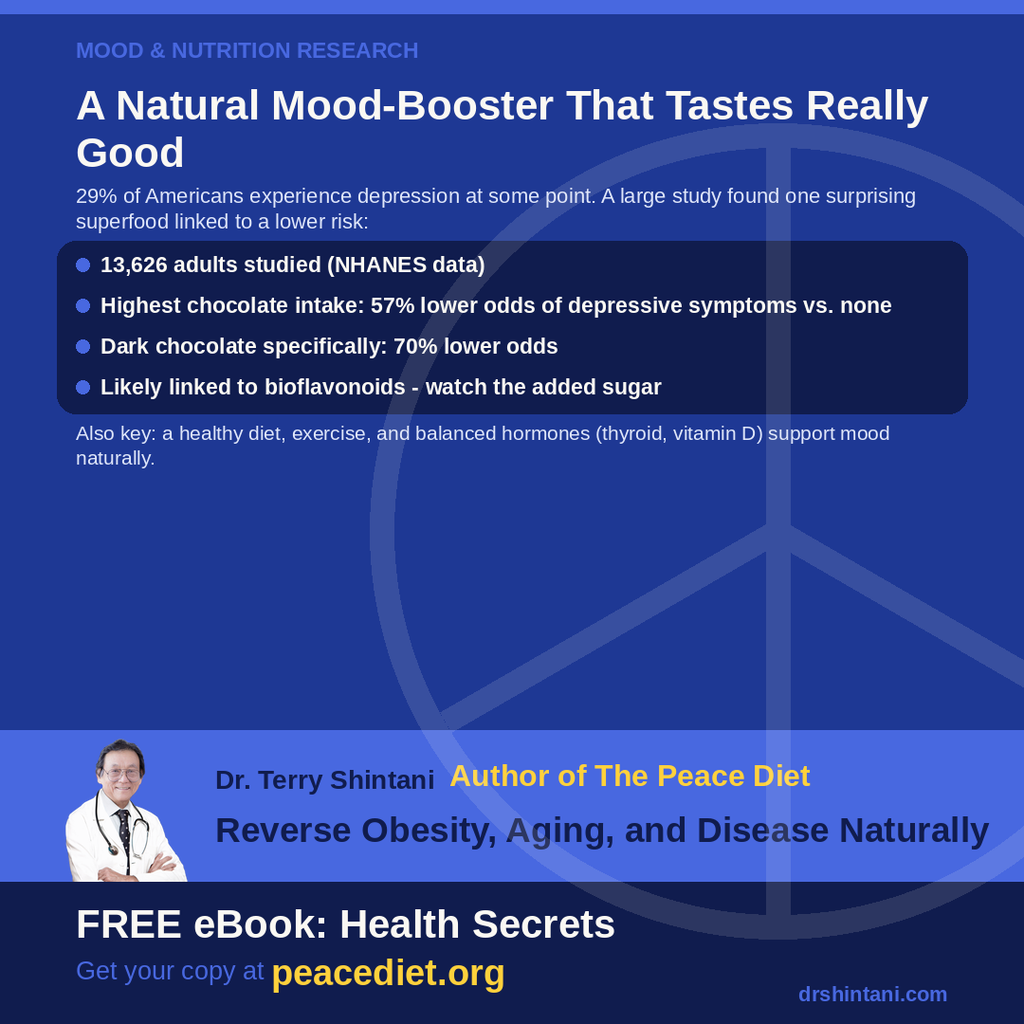
If you’ve struggled with depression, you’re far from alone — an estimated 29% of Americans experience depression at some point in their lives. Many people would prefer to avoid the side effects that come with antidepressant medications, which makes natural, food-based approaches worth a closer look.

A study analyzing data from 13,626 US adults (part of the National Health and Nutrition Examination Survey) found a striking association: people with the highest chocolate intake had 57% lower odds of clinically relevant depressive symptoms compared to those who ate none. When the researchers looked specifically at dark chocolate, the association was even stronger — 70% lower odds.

It’s important to note this was an observational, cross-sectional study, meaning it shows an association, not proof that chocolate causes improved mood. The researchers themselves noted the relationship could run in either direction — people who are less depressed may simply be more inclined to enjoy chocolate, or other shared factors could be at play.

That said, other research has pointed to a plausible mechanism: the bioflavonoids found in dark chocolate have shown anti-inflammatory and antioxidant properties that researchers believe may have antidepressant potential.

A few caveats and complements:

  • Watch the added sugar — many chocolate products pair cocoa with high sugar content, which can offset other health benefits.
  • A diet rich in fiber, prebiotics, and other bioflavonoids supports a healthy gut microbiome, which plays a role in producing neurotransmitters that regulate mood.
  • Regular exercise and optimizing hormones — including thyroid function, sex hormones, and vitamin D — can meaningfully support mood as well.

None of this replaces professional care for depression, but it’s a reminder that everyday food choices can be part of a broader approach to mental wellbeing.

For more tips on natural health, get Dr. Shintani’s free eBook, Health Secrets, at peacediet.org.

Sources: PubMed — Chocolate Consumption and Depressive Symptoms, NHANES | NIH/PubMed — Flavonoids and Mental Health | CDC — Depression
Uncategorized

Before TED Talks, There Was Dr. Shintani

Posted on November 4, 2026 By drshintani No Comments on Before TED Talks, There Was Dr. Shintani

Long before “TED Talk” became shorthand for a great health lecture, Dr. Terry Shintani was already doing the work — standing in front of rooms full of people for over three decades, teaching them a simple but radical idea: that food is medicine, and that most chronic disease can be prevented, slowed, or even reversed through what’s on your plate.

We recently rediscovered some of that archive — full-length lectures Dr. Shintani gave over the years, including this one: Let Food Be Thy Medicine, based on the words of Hippocrates himself. In it, he walks through the health statistics behind Hawaii’s own population, how the modern diet has drifted from what our bodies evolved to eat, and the link between food, cholesterol, heart disease, and more.

It’s a reminder that what Dr. Shintani teaches today isn’t a trend — it’s three decades of consistent, patient, person-by-person work helping people take their health back through nutrition, long before “going viral” was something a health message could even do.

We’re experimenting with bringing clips like this one back to life for today’s audience — same message, new format. Take a look below and let us know what you think.

Uncategorized

Is Mamaki Tea Better Than Green Tea? What the Research Shows

Posted on November 4, 2026 By drshintani No Comments on Is Mamaki Tea Better Than Green Tea? What the Research Shows

Mamaki (Pipturus albidus) is a Hawaiian herbal tea with a long history of traditional use — and it’s now drawing serious attention from natural health researchers for good reason.

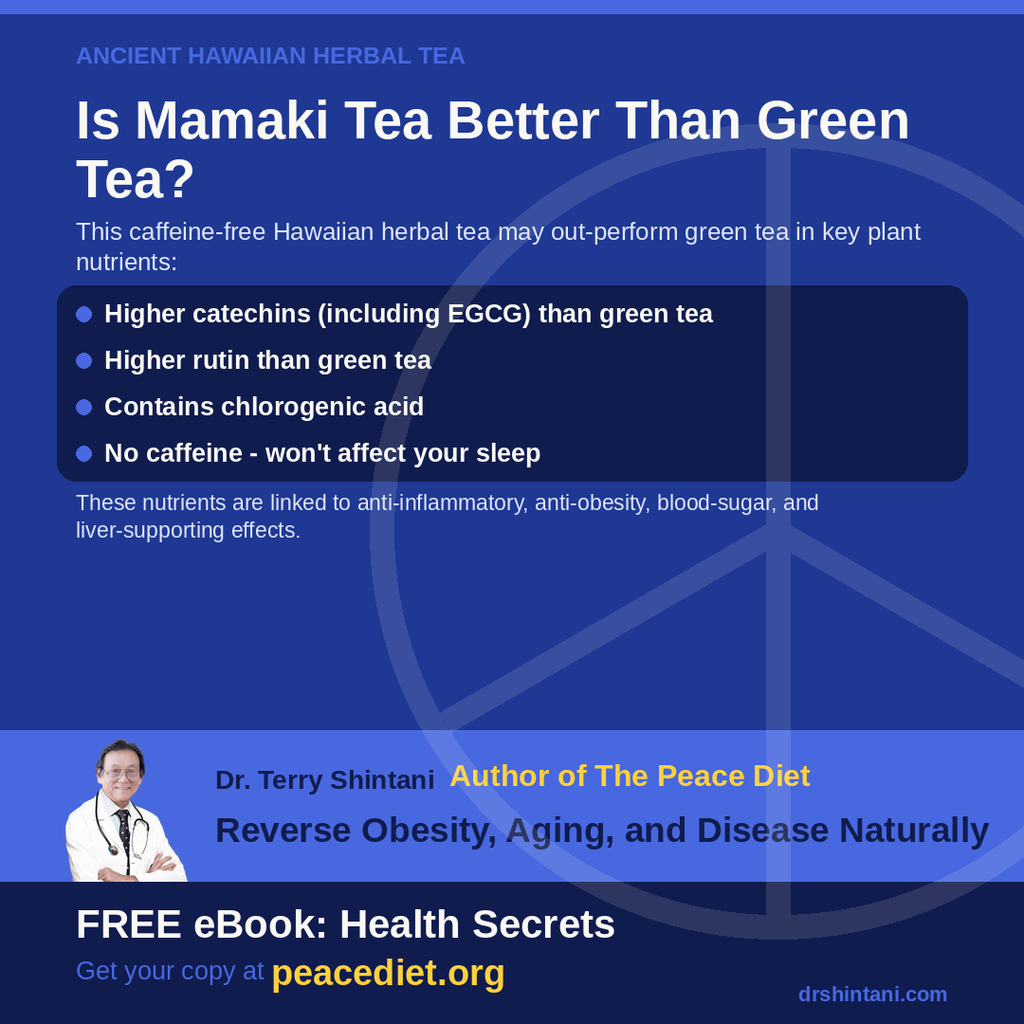
University of Hawaiʻi research has found that mamaki leaves contain higher catechin levels than Gyokuro green tea, as well as oolong and black tea, along with higher rutin than green tea. Chlorogenic acid is also documented as one of mamaki’s three major polyphenols.

These three types of phytonutrients — catechins (such as EGCG), rutin, and chlorogenic acid — have each been studied individually in other research for potential anti-inflammatory, anti-obesity, anti-diabetic, anti-hypertensive, anti-cancer, and liver-protective effects. It’s worth noting these effects are documented for the individual compounds in broader research, rather than being proven specifically for mamaki tea itself — but mamaki’s naturally high levels of these same compounds make it a promising candidate for similar benefits.

One more advantage: unlike green tea (Camellia sinensis), mamaki comes from an entirely different plant and contains no caffeine — so it won’t interfere with sleep.

Research into mamaki is ongoing. A recent USDA-funded study (University of Hawaiʻi, UNC Greensboro, and Wake Forest School of Medicine) is currently investigating mamaki’s bioactive compounds and their effects on vascular inflammation.

For more on natural health, get Dr. Shintani’s free eBook, Health Secrets, at peacediet.org, and his full book The Peace Diet on Amazon.

Sources: University of Hawaiʻi — Nutrients, Polyphenols, and Total Antioxidant Activities in Mamaki | NLM Native Voices | UNC Greensboro — USDA Grant to Study Hawaiian Tea Leaves

Uncategorized

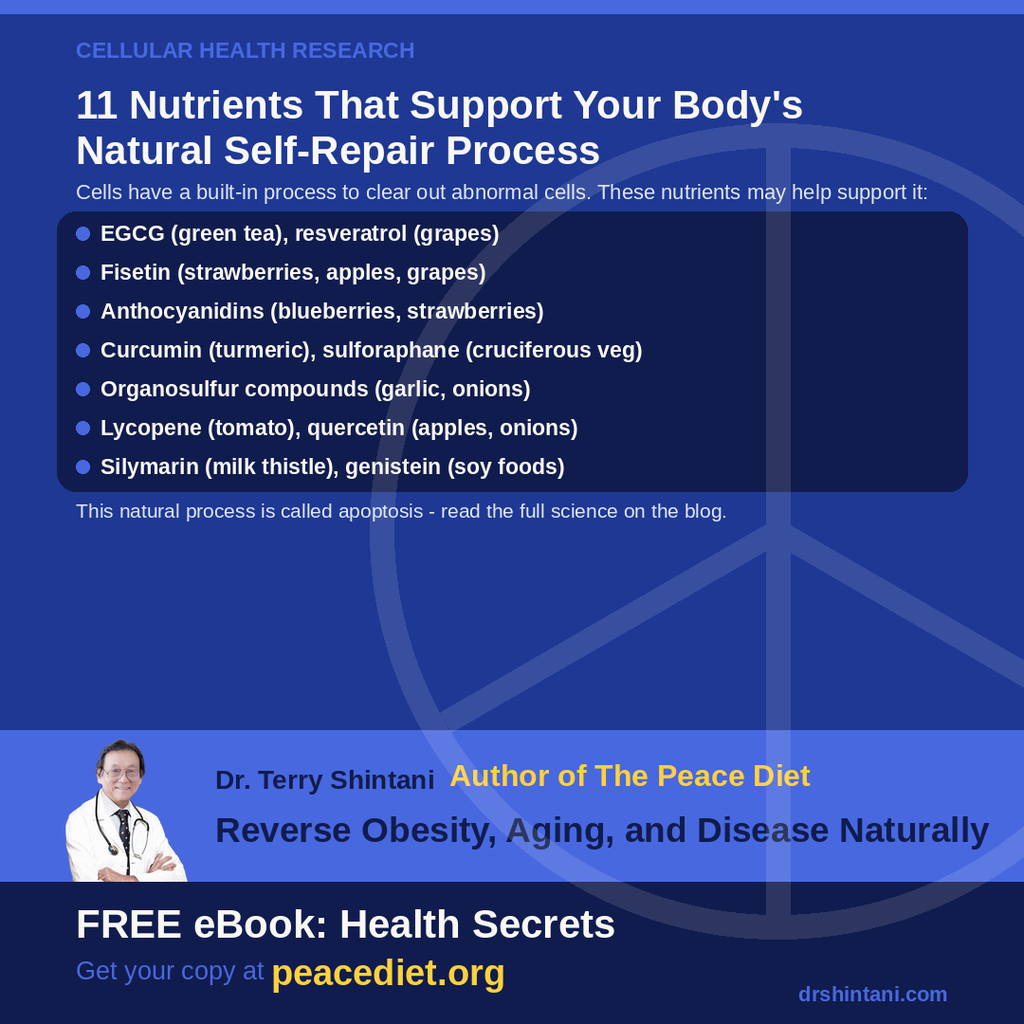
11 Nutrients That Help Support Apoptosis — Your Body’s Built-In Cancer Defense

Posted on November 3, 2026 By drshintani No Comments on 11 Nutrients That Help Support Apoptosis — Your Body’s Built-In Cancer Defense

One of the body’s most important natural defenses against cancer is a process called apoptosis — programmed cell death, in which a cell that recognizes itself as abnormal self-destructs before it can replicate and spread. Cancer progression is linked, in part, to a breakdown in this process: cancer cells can evade apoptosis and continue dividing unchecked.

Researchers have identified a number of naturally occurring plant compounds that appear to help restore or strengthen apoptosis in cancer cells. Here are 11 of them, and the foods that provide them:

  1. EGCG (epigallocatechin gallate) — found in green tea
  2. Resveratrol — found in grapes
  3. Fisetin — richest in strawberries; also found in apples and grapes
  4. Anthocyanidins — found in colorful fruits like blueberries and strawberries
  5. Curcumin — found in turmeric
  6. Sulforaphane — found in cruciferous vegetables (broccoli, kale, cabbage, Brussels sprouts)
  7. Organosulfur compounds — found in garlic and onions
  8. Lycopene — found in tomatoes
  9. Quercetin — found in apples and onions
  10. Silymarin — found in milk thistle
  11. Genistein — found in soy foods

A substantial body of published research supports the role of these compounds in cancer-cell biology, including reviews on curcumin, resveratrol, genistein, and quercetin’s chemopreventive and apoptosis-inducing activity in laboratory studies. Research in this area is ongoing, and food-based intake is studied differently than isolated supplements or extracts — so these foods are best understood as part of an overall health-supporting diet rather than a treatment.

Note: one correction from the original video — fisetin’s best-documented dietary source is strawberries, not mango.

For more on diet and cancer prevention, see Dr. Shintani’s introductory lecture on cancer and his free eBook, Health Secrets, at peacediet.org.

Sources: National Library of Medicine — Native Voices | NIH/PubMed — Chemopreventive Activities of Curcumin, Resveratrol, Genistein, Quercetin | CDC — Nutrition and Cancer Prevention
Uncategorized

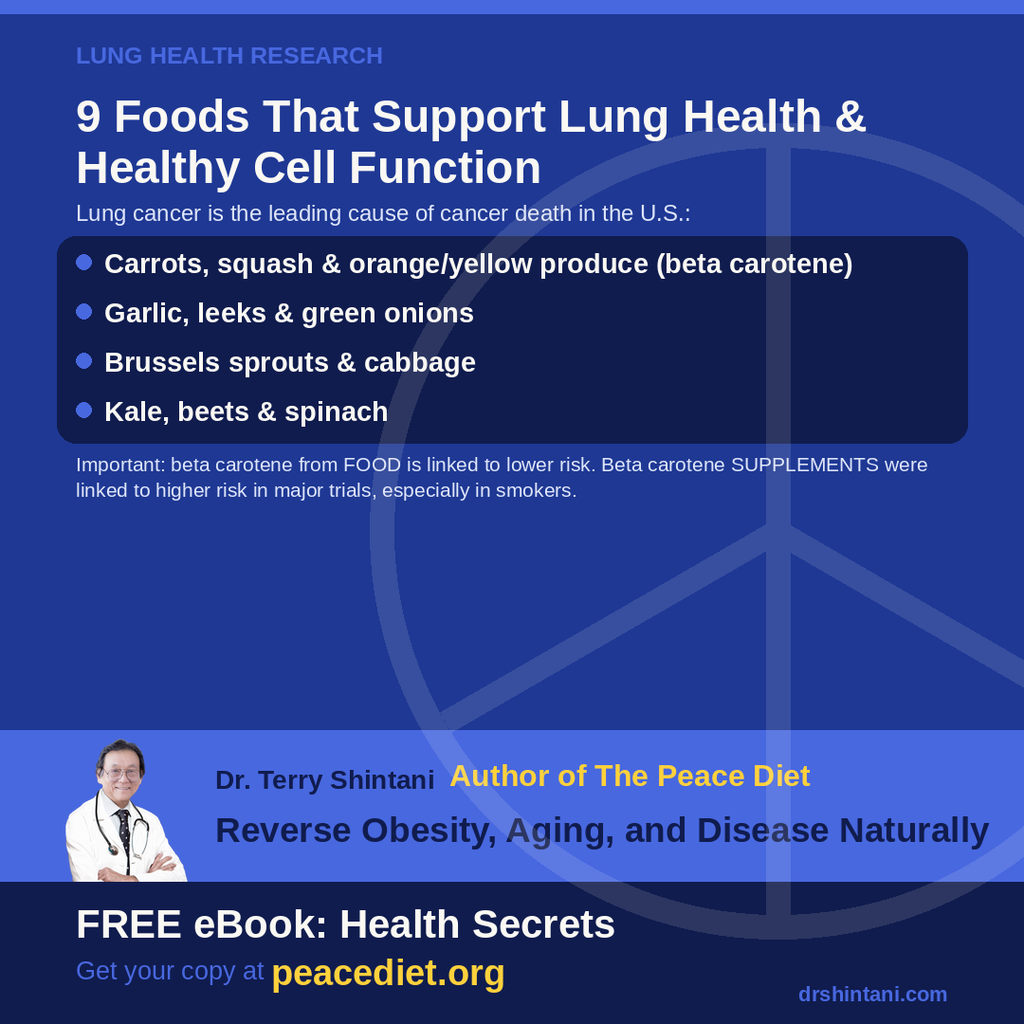
9 Foods That Support Lung Health

Posted on November 2, 2026 By drshintani No Comments on 9 Foods That Support Lung Health

Lung cancer remains the most common cause of cancer death in the U.S., and it’s increasingly affecting younger people — including non-smokers. While there’s no substitute for not smoking as the single biggest risk-reduction step, research has identified several whole foods worth knowing about when it comes to supporting lung health.

Beta carotene — from food, not supplements
Population studies have found that people who ate more foods containing beta carotene had a lower incidence of lung cancer. This led researchers to look specifically at whole foods rich in beta carotene — carrots, squash, and orange and yellow fruits and vegetables.

Here’s the critical nuance: this protective association has only held up for beta carotene from food. Two major clinical trials — the ATBC trial and CARET — found that high-dose beta carotene supplements were associated with a higher risk of lung cancer, particularly in smokers (CARET was stopped early after showing a 28% increase in lung cancer incidence in the supplement group) (NCI findings). Researchers believe the protective effect of beta carotene-rich foods likely comes from a combination of nutrients working together — not beta carotene in isolation — which is why food sources, not supplements, are the recommended way to get it.

Lab research on vegetable extracts and cancer cells
Separately, laboratory research has tested the effects of extracts from various vegetables on cultured cancer cells. Garlic extract, for example, has been shown in multiple published studies to suppress the growth of human lung cancer cells (A549) in vitro, likely due to its allyl sulfide compounds.

Other research has tested extracts from cruciferous vegetables — including cabbage, kale, broccoli, and related vegetables — against various cultured human cancer cell lines, finding substantial growth-inhibiting effects (in some published studies, in the 70–95% range) for several of these vegetables. Most of this specific cell-culture research has focused on cancers other than lung cancer, so while it supports the general principle that compounds in garlic, alliums, and cruciferous vegetables can slow cancer cell growth in the lab, the exact numbers for lung cancer cells specifically should be treated as a promising area of ongoing research rather than a settled statistic.

The takeaway
Building a diet rich in carrots, squash, garlic, leeks, green onions, Brussels sprouts, kale, spinach, and beets is a reasonable, well-supported way to support lung and overall health — just skip the high-dose supplement shortcuts.

Watch my introductory lecture on cancer prevention at PeaceDiet.org.

I’m Dr. Shintani, for your health.

Sources & further reading:

  • NCI — Beta-Carotene Supplementation and Lung Cancer Risk
  • PMC — Garlic Extract and Non-Small Cell Lung Cancer Cells
  • National Library of Medicine — Native Voices: Food & Health
  • CDC — Lung Cancer Risk Factors
Uncategorized

Lower Your Risk of Heart Attack and Stroke by Eating This

Posted on October 31, 2026 By drshintani No Comments on Lower Your Risk of Heart Attack and Stroke by Eating This

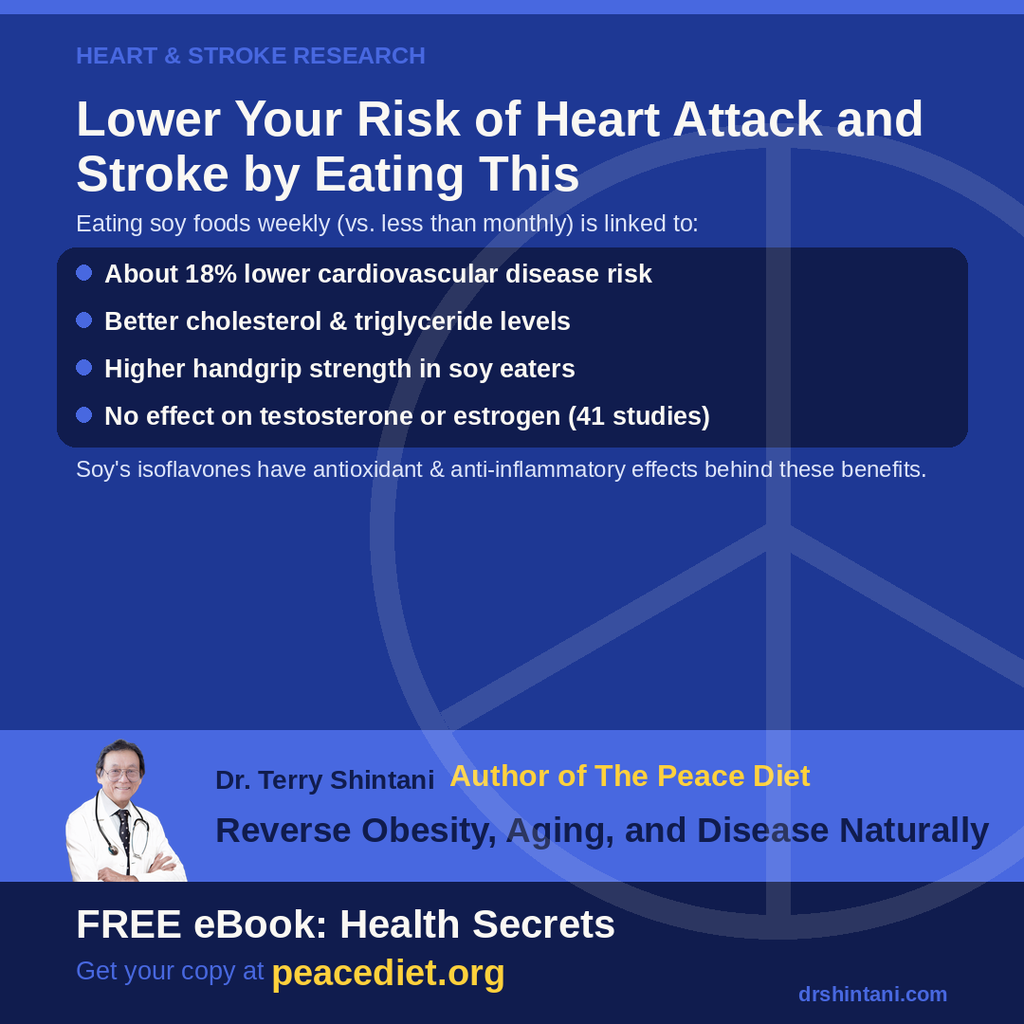
Over the years, research has pointed to a simple dietary habit linked to a meaningfully lower risk of cardiovascular disease — including heart attacks and strokes: eating soy foods regularly.

The core finding
Research has found that people who consumed soy foods at least once a week had a notably lower risk of cardiovascular disease — on the order of 18% lower — compared to those who ate soy less than once a month. Researchers believe this benefit is largely attributable to soy’s isoflavone content, plant compounds with antioxidant and anti-inflammatory properties that may also help improve cholesterol and triglyceride levels.

Beyond heart health: strength and hormones
Two other findings about soy are worth knowing, especially since they run counter to some common assumptions:

  • Grip strength: A large cohort study of nearly 30,000 adults found that higher soy food consumption was associated with higher handgrip strength — a marker often used as a general indicator of overall muscular health. This was an observational study, so it shows an association rather than proof that soy directly causes stronger grip.
  • Hormones: Despite a persistent myth that soy lowers testosterone or raises estrogen in men, a comprehensive meta-analysis covering 41 clinical studies found that neither soy protein nor soy isoflavones had any significant effect on total testosterone, free testosterone, estradiol, or estrone levels in men — regardless of dose or study duration.

The bottom line
Soy foods — tofu, edamame, tempeh, soy milk, and others — offer a well-supported way to support cardiovascular health, without the hormonal downsides some people worry about.

For more natural health tips, get my free eBook, Health Secrets, at PeaceDiet.org.

I’m Dr. Shintani, for your health.

Sources & further reading:

  • Harvard Health — Tofu May Help Your Heart
  • Soy Food Consumption and Handgrip Strength — Nutrients/NIH
  • Meta-analysis: Soy and Male Reproductive Hormones — PubMed
  • National Library of Medicine — Native Voices: Food & Health
  • CDC — Heart Disease and Stroke Prevention
Uncategorized

8 Plant-Based Foods With More Calcium Per Gram Than Milk

Posted on October 31, 2026 By drshintani No Comments on 8 Plant-Based Foods With More Calcium Per Gram Than Milk

For decades, milk has been presented as essential for getting enough calcium and preventing osteoporosis. But the relationship between dairy consumption and bone health is more complicated than it’s often made out to be — some of the countries with the highest dairy intake don’t show correspondingly lower osteoporosis rates, a pattern sometimes called the “calcium paradox.” (We covered some of the research behind this in our earlier post on dairy myths.)

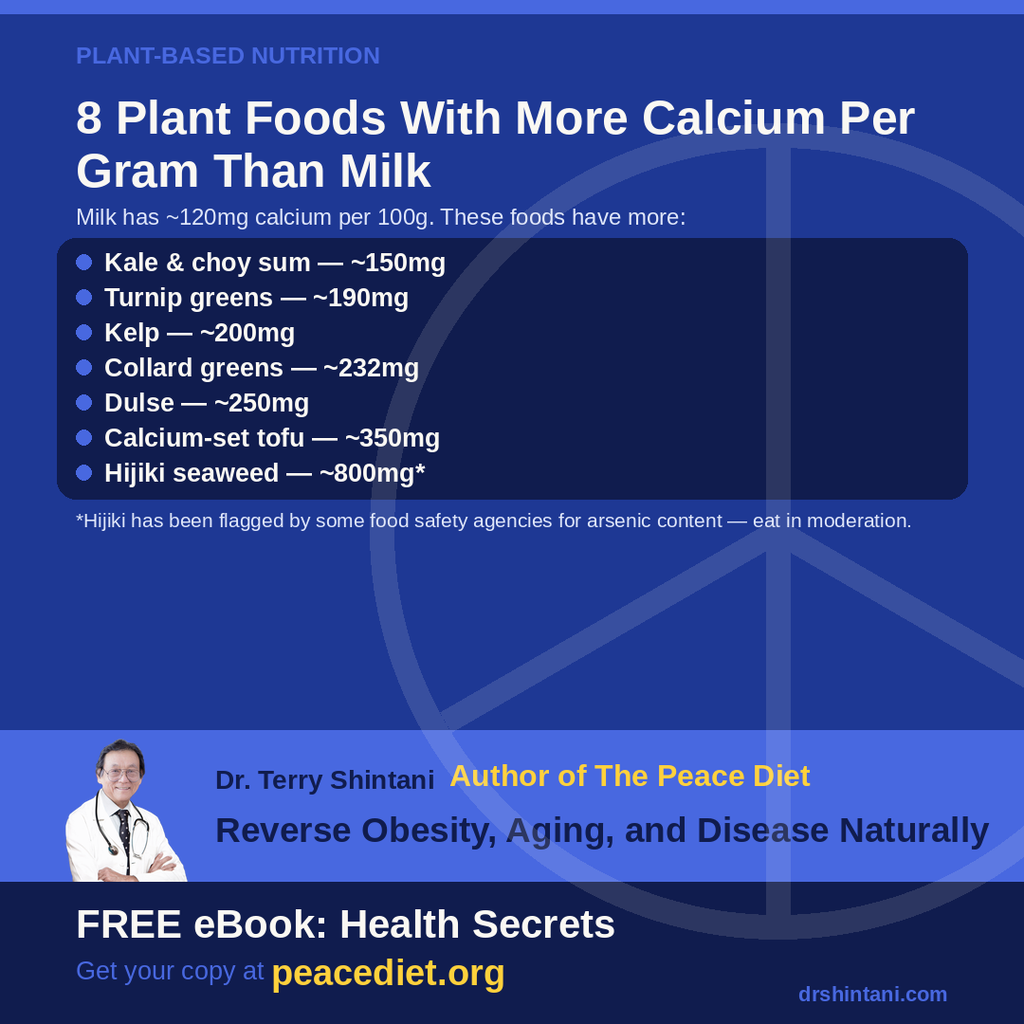
So where else can you get calcium? Milk provides about 120mg of calcium per 100 grams. Here are 8 plant-based foods that provide more calcium per gram:

  • Kale — about 150mg per 100g
  • Choy sum — about 150mg per 100g
  • Turnip greens — about 190mg per 100g
  • Kelp — about 200mg per 100g
  • Collard greens — about 232mg per 100g
  • Dulse (a type of seaweed) — about 250mg per 100g
  • Tofu set with calcium sulfate — about 350mg per 100g (not all tofu is prepared this way, so check the label if calcium content matters to you)
  • Hijiki (a Japanese seaweed) — about 800mg per 100g

A caution about hijiki:
While hijiki is exceptionally high in calcium, it’s also known to absorb inorganic arsenic from seawater. Food safety agencies in the U.S., Canada, the EU, and Hong Kong have advised limiting or avoiding hijiki consumption due to this concern. It’s not necessary to eliminate it entirely, but it’s best treated as an occasional food rather than a daily calcium source.

Getting calcium from a variety of plant foods — not just dairy — is a practical way to support bone health while also getting the fiber, antioxidants, and other nutrients that come packaged with whole plant foods.

For more tips on plant-based nutrition, get my free eBook, Health Secrets, at PeaceDiet.org.

I’m Dr. Shintani, for your health.

Sources & further reading:

  • National Library of Medicine — Native Voices: Food & Health
  • CDC — Bone Health and Osteoporosis
  • Canadian Food Inspection Agency — Inorganic Arsenic and Hijiki Seaweed
  • UK Food Standards Agency — Arsenic in Hijiki Seaweed Advisory
Uncategorized

Posts pagination

1 2 … 33 Next

About Dr. Shintani

Dr. Terry Shintani, MD, JD, MPH is a Board Certified Physician and Harvard-trained
nutritionist. His wellness program won a national award from the U.S. Secretary of
Health and Human Services and his peer-reviewed work is published in the American Journal of
Clinical Nutrition and several other scientific journals.  He also was featured in “Dateline NBC”,
CBS, “This Morning” CNN, Fox and  Newsweek  His Program is featured in the Encyclopedia
Britannica.  He has written 16 books including the Eat More Weigh Less(r) Diet, the Hawaii
Diet, the Carbohydrate revolution and the Peace Diet. Among his many community awards, He
was named a “Food Hero” by Eating Well Magazine, He was knighted by the Orthodox Order of
St. John, and formally designated a “Living Treasure” of Hawaii.

Read More

Search

  • Home
  • Blog
  • Join Us
  • PeaceDiet

Find Us

HAWAII HEALTH FOUNDATION

50 S.Beretania St. C-119B Honolulu, HI 96813

Email: mail@eHealthAndYou.com

Age Calculator

image

Copyright © 2026 Dr.Shintani.

Powered by PressBook WordPress theme

  • facebook
  • instagram
  • youtube
  • tiktok