

We are thrilled to share that Oprah Daily — one of the most widely read health and wellness publications in the world — recently featured Dr. Terry Shintani in an article about a simple, science-backed technique for making carbohydrates healthier for your blood sugar.
The article, titled “The Surprising Trick That Makes Carbs Better For Your Blood Sugar,” highlighted an Instagram video by Dr. Shintani explaining how cooking, cooling, and reheating starchy foods transforms them into something far more beneficial for blood sugar control.
You can read the full Oprah Daily article here:
👉 https://www.oprahdaily.com/entertainment/a69279592/cooling-carbs-benefits-increase-resistance-starch/
What Oprah Daily Said About Dr. Shintani
Oprah Daily described the technique as coming to their attention through an Instagram video featuring “integrative physician Terry Shintani, MD” — and went on to explain the science behind his recommendation in detail.
The article quoted Dr. Shintani directly:
“The process of heating and cooling carbs causes a restructuring of the starch, turning some of it into resistant starches. This slows digestion and causes a slower release of sugar into the bloodstream.”
The article went on to explain that this method works whether you are reheating rice, freezing then toasting bread, or reheating pasta in a microwave — and that re-heating via microwave is actually one of the most effective ways to increase resistant starch content.
What Is Resistant Starch — and Why Does It Matter?
Resistant starch is a type of carbohydrate that behaves more like fiber than a traditional starch. Instead of being quickly digested and released into the bloodstream as glucose, resistant starch passes through the small intestine largely intact and moves into the large intestine, where it feeds beneficial gut bacteria.
The result — as Dr. Shintani explains — is a slower, more gradual release of sugar into the bloodstream. For people with diabetes or prediabetes, this means fewer dangerous blood sugar spikes. For everyone else, it means more stable energy, reduced cravings, and lower overall glycemic impact from starchy foods.
When you cook a high-glycemic starch — like white rice, pasta, or bread — and then allow it to cool before reheating, the starch molecules reorganize into a more resistant structure. This structural change is not reversed by reheating — meaning the cooled and reheated version of the food has meaningfully less impact on blood sugar than the freshly cooked version.
The Science Behind the Technique
The structural change that occurs when starchy foods are cooled is called retrogradation — a process in which starch molecules that were opened up during cooking begin to reassemble into tighter, more ordered structures that are harder for digestive enzymes to break down.
Research published in peer-reviewed journals has confirmed that this process meaningfully increases the resistant starch content of rice, pasta, potatoes, and bread. Studies on cooled and reheated rice, for example, have shown reductions in glycemic response of up to 50% compared to freshly cooked rice — a remarkable improvement achievable through nothing more than a change in how the food is prepared.
This aligns directly with the principles Dr. Shintani has taught for decades. The Peace Diet’s emphasis on whole, minimally processed, high-fiber foods is built on the same fundamental insight: the structure of food matters as much as its macronutrient composition. Resistant starch is simply one more example of how the way food is prepared can dramatically change how the body responds to it.
How to Apply This at Home
Incorporating this technique into your daily routine is simple:
Rice: Cook your rice as normal, allow it to cool completely — ideally in the refrigerator overnight — and then reheat it before eating. Reheating in a microwave appears to be particularly effective at preserving the resistant starch content.
Pasta: Cook pasta al dente, allow it to cool, and refrigerate. Reheat the next day. This is why leftover pasta often feels more satisfying and causes less of an energy crash than freshly cooked pasta.
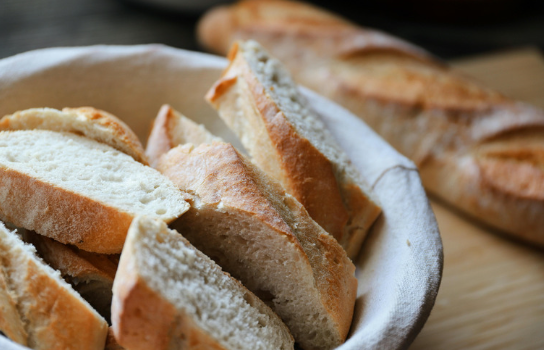
Bread: Freeze bread and then toast it directly from frozen. The freezing process increases resistant starch, and toasting maintains it — making frozen-then-toasted bread a meaningfully lower glycemic option than fresh bread.
Potatoes: Cook potatoes, allow them to cool completely in the refrigerator, and reheat before eating. Cold potato salad — a traditional dish in many cultures — turns out to be one of the most blood-sugar-friendly ways to eat potatoes.
An Important Note
As Oprah Daily correctly pointed out, this technique is not a replacement for a comprehensive approach to blood sugar management. Focusing on fiber-rich carbohydrates, lean plant-based protein, and plenty of vegetables remains the foundation of healthy blood sugar control — and the foundation of the Peace Diet.
But for those moments when you want pasta, rice, or bread, this simple cooking technique offers an easy, accessible, and scientifically supported way to make those foods work better for your body.
For people with diabetes, any dietary changes should be discussed with your physician, particularly if you are managing blood sugar with medication.
About Dr. Terry Shintani
Dr. Terry Shintani is a board-certified physician holding an MD, JD, and MPH from Harvard University. Named a Living Treasure of Hawai’i and recipient of the U.S. Secretary of Health and Human Services Award for Excellence, he has spent over 35 years helping patients reverse diabetes, heart disease, high blood pressure, and obesity through food and lifestyle.
He is the author of 16 books and the creator of the Peace Diet and the Waianae Diet — whose landmark 1991 study in the American Journal of Clinical Nutrition has been cited over 137 times by researchers worldwide.
🌿 Learn more at PeaceDiet.org
📍 50 S. Beretania St., C-119B, Honolulu, HI 96813 | ☎️ (808) 628-8784
🗺️ https://maps.app.goo.gl/NWigvYPUeQUYTkH87