
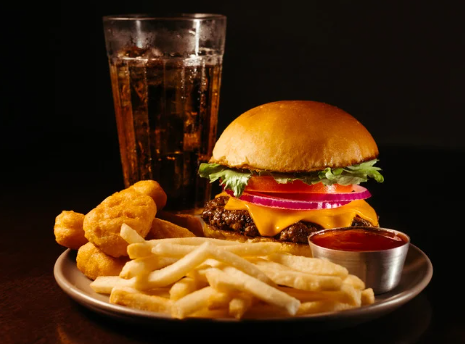
Managing inflammation isn’t only about what you add to your diet — it’s also about what you take away. For over 30 years, Dr. Terry Shintani has helped patients naturally reduce inflammatory and autoimmune symptoms, including osteoarthritis, rheumatoid arthritis, psoriasis, ulcerative colitis, and chronic headaches. Here are six foods worth reducing.
1. Processed Meats
Processed meats are high in saturated fat and produce TMAO (trimethylamine N-oxide), a compound linked to increased inflammation in the body.
2. Added Sugar and Processed Carbs
Foods and beverages high in added sugar elevate blood sugar, which in turn promotes inflammatory activity.
3. Dairy
The saturated fat in dairy can promote inflammation, and dairy protein triggers an inflammatory response in many people who are sensitive to it.
4. Fried Foods
Frying produces advanced glycation end-products (AGEs) and increases trans fat — both of which are associated with higher inflammation.
5. Charbroiled Foods
Burning or charring meat produces polycyclic aromatic hydrocarbons, compounds known to promote inflammation.
6. Omega-6 Oils
Found in seed oils, meat, and chicken, excess omega-6 fatty acids serve as a precursor to inflammatory prostaglandins in the body.
This pairs naturally with Dr. Shintani’s earlier post on the 8 proactive steps to control inflammation, chronic pain, and autoimmune disease — together offering a fuller picture of what to add and what to avoid.
For a full list of 10 supplements to help manage chronic inflammation, download the free eBook Health Secrets at club120.shintanimd.com.
About Dr. Terry Shintani, MD, JD, MPH
Dr. Terry Shintani is a Harvard-trained physician and nutritionist, named a Living Treasure of Hawai’i and recipient of the U.S. Secretary of Health and Human Services Award for Excellence. He is the creator of the Peace Diet and the landmark Waianae Diet — published in the American Journal of Clinical Nutrition and cited over 137 times — and the author of 16 books on natural health and nutrition, drawing on more than 35 years of clinical practice in Honolulu, Hawaii.
Learn more about Dr. Shintani’s work and recognition: NLM Native Voices
Sources: