
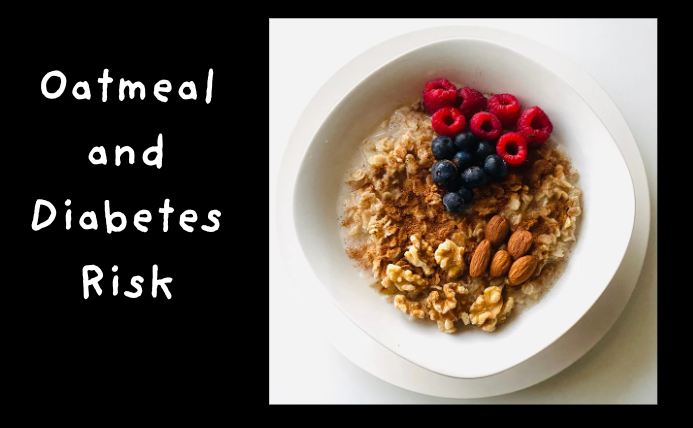
This post is a response to viewer comments asking about oats, insulin, and diabetes — and the research on this is worth sharing in detail.
Oatmeal and Diabetes Risk
In a meta-analysis covering over 4.6 million person-years of observation, individuals who regularly ate the most oatmeal had a 21% lower risk of developing diabetes compared to those who ate little or no oatmeal.
Oatmeal and Blood Markers
A separate meta-analysis measuring the effect of oatmeal on blood markers found that those who ate the most oatmeal had lower fasting blood sugar levels, lower total cholesterol, and lower hemoglobin A1c compared to those who ate the least.
Oatmeal and Insulin Response
In terms of insulin, published tables on insulin response show that oatmeal raises insulin less than beef or yogurt — an important distinction, since insulin response and blood sugar response don’t always move together (as we discussed in the earlier post on the insulin index).
For more tips on carbohydrates and diabetes, download the free eBook Health Secrets at peacediet.org.
About Dr. Terry Shintani, MD, JD, MPH
Dr. Terry Shintani is a Harvard-trained physician and nutritionist, named a Living Treasure of Hawai’i and recipient of the U.S. Secretary of Health and Human Services Award for Excellence. He is the creator of the Peace Diet and the landmark Waianae Diet — published in the American Journal of Clinical Nutrition and cited over 137 times — and the author of 16 books on natural health and nutrition, drawing on more than 35 years of clinical practice in Honolulu, Hawaii.
Learn more about Dr. Shintani’s work and recognition: NLM Native Voices
Sources:
- NIH/PubMed — Oatmeal Consumption and Type 2 Diabetes Risk: Meta-Analysis
- NIH/PubMed — Oat Intake and Glycemic/Lipid Markers: Meta-Analysis
- NIH/PubMed — Insulin Index of Common Foods