
Skip to content
  • About
  • Blog
  • Testimonials
  • Join Us
  • Freebies
  • Contact
  • Social Media
  • PeaceDiet
  • Books
  • Age Calculator
Dr.Shintani

Dr.Shintani

Terry

Author: drshintani

8 Keys to Healthy Longevity in One Minute

Posted on September 4, 2026September 4, 2026 By drshintani

Here are eight keys to healthy longevity — simple, timeless, and backed by decades of research.

1. Avoid Toxic Exposures

Steer clear of smoking, vaping, excessive drinking, and harmful chemicals.

2. Eat a Healthy, Plant-Based Diet

A diet centered on primarily plant-based foods provides essential anti-inflammatory and antioxidant nutrients.

3. Exercise

Regular physical activity cuts dementia risk by approximately 30%.

4. Social Interaction

Staying socially connected also keeps the brain healthy and reduces dementia risk.

5. A Positive, Loving Attitude

Cultivating a positive outlook helps minimize chronic stress.

6. Rest and Sleep

Sleep is the foundation of good health, supporting everything from metabolism to immune function.

7. Purpose in Life (Ikigai)

This Japanese concept — having a reason for being — is a key factor in the remarkable longevity of the centenarians of Okinawa.

8. Faith

Studies show that people with a strong sense of faith tend to live longer — by as much as four to six years.

To get healthy now, consider building these eight keys into your daily life. For more tips on natural health, download the free eBook Health Secrets at peacediet.org.

About Dr. Terry Shintani, MD, JD, MPH

Dr. Terry Shintani is a Harvard-trained physician and nutritionist, named a Living Treasure of Hawai’i and recipient of the U.S. Secretary of Health and Human Services Award for Excellence. He is the creator of the Peace Diet and the landmark Waianae Diet — published in the American Journal of Clinical Nutrition and cited over 137 times — and the author of 16 books on natural health and nutrition, drawing on more than 35 years of clinical practice in Honolulu, Hawaii.

Learn more about Dr. Shintani’s work and recognition: NLM Native Voices

Sources:

  • NIH/PubMed — Physical Activity and Dementia Risk Reduction
  • NIH/PubMed — Religious Involvement and Longevity: A Meta-Analysis
  • NIH/NIA — Social Isolation, Loneliness, and Health
Uncategorized

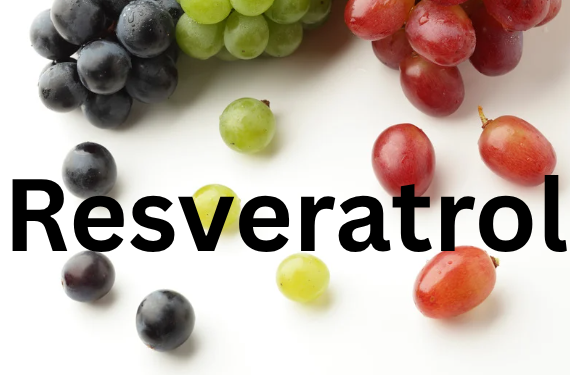
Eat This for Longevity and Better Skin: Resveratrol

Posted on September 3, 2026September 3, 2026 By drshintani

There are several natural compounds found in various plants that have been associated with increased longevity. The most easily accessible of these is resveratrol.

How Resveratrol Works

Scientists believe resveratrol’s anti-aging effect may be due to its ability to induce autophagy — the cellular process in which cells break down and consume their own damaged components. Autophagy is important for preventing the accumulation of dysfunctional material inside the cell.

In this way, resveratrol may help protect against age-related diseases and wrinkles at the cellular level, by supporting the body’s own natural cellular “clean-up” process.

Where to Find Resveratrol

Some good sources of resveratrol include:

  1. Red grapes
  2. Currants
  3. Blueberries
  4. Cranberries
  5. Dark chocolate
  6. Pistachios
  7. Peanuts
  8. Pomegranates

Working more of these foods into your regular diet is a simple, accessible way to support longevity and skin health from the cellular level up.

For more information and tips on natural health, download the free eBook Health Secrets at peacediet.org.

About Dr. Terry Shintani, MD, JD, MPH

Dr. Terry Shintani is a Harvard-trained physician and nutritionist, named a Living Treasure of Hawai’i and recipient of the U.S. Secretary of Health and Human Services Award for Excellence. He is the creator of the Peace Diet and the landmark Waianae Diet — published in the American Journal of Clinical Nutrition and cited over 137 times — and the author of 16 books on natural health and nutrition, drawing on more than 35 years of clinical practice in Honolulu, Hawaii.

Learn more about Dr. Shintani’s work and recognition: NLM Native Voices

Sources:

  • NIH/PubMed — Resveratrol and Autophagy: Mechanisms of Cellular Aging
  • NIH/PubMed — Resveratrol Sources and Bioavailability
  • NIH/NCCIH — Resveratrol
Uncategorized

5 of the Best Herbs to Control Blood Pressure

Posted on September 2, 2026September 2, 2026 By drshintani

I’ve been helping patients control blood pressure naturally for over 30 years, and I always say the best way is the natural way. Here are five of the best herbs for blood pressure control.

1. Garlic

Garlic contains allicin, a compound that relaxes blood vessels and causes a decrease in blood pressure.

2. Hawthorn

This herb contains proanthocyanidins, which also help relax blood vessels and improve blood flow.

3. Arugula

Arugula is high in nitrates — even higher than beets — which convert to nitric oxide in the body, helping to lower blood pressure.

4. Ashwagandha

This adaptogenic herb appears to lower blood pressure through its anti-inflammatory effects and by reducing stress.

5. Hibiscus Tea

Hibiscus contains compounds that act like ACE inhibitor medication, a common class of blood pressure drugs, offering a natural parallel mechanism.

For a full list of 16 herbs for blood pressure control, download the free eBook Health Secrets at peacediet.org.

About Dr. Terry Shintani, MD, JD, MPH

Dr. Terry Shintani is a Harvard-trained physician and nutritionist, named a Living Treasure of Hawai’i and recipient of the U.S. Secretary of Health and Human Services Award for Excellence. He is the creator of the Peace Diet and the landmark Waianae Diet — published in the American Journal of Clinical Nutrition and cited over 137 times — and the author of 16 books on natural health and nutrition, drawing on more than 35 years of clinical practice in Honolulu, Hawaii.

Learn more about Dr. Shintani’s work and recognition: NLM Native Voices

Sources:

  • NIH/PubMed — Allicin and Vascular Function: A Review
  • NIH/PubMed — Dietary Nitrates in Leafy Greens and Blood Pressure
  • Journal of Nutrition — Hibiscus Sabdariffa and ACE Inhibitory Activity
Uncategorized

12 of the Best Sources of a Key Nutrient to Control Blood Pressure and Blood Sugar: Magnesium

Posted on September 1, 2026September 1, 2026 By drshintani

The lack of this nutrient may be why you’re having trouble controlling your blood sugar or your blood pressure.

This nutrient is needed for more than 300 biochemical reactions in the body. Two of its most important functions are helping to control blood sugar and blood pressure. The nutrient is magnesium.

Recommended Daily Intake

The RDA is 400–420 mg per day for men and 310–320 mg per day for women.

12 Best Sources of Magnesium

Magnesium is high in greens, nuts, seeds, whole grains, and beans. Here are the 12 best sources:

  1. Pumpkin seeds
  2. Quinoa
  3. Brown rice
  4. Almonds
  5. Spinach
  6. Swiss chard
  7. Cashews
  8. Oatmeal
  9. Lima beans
  10. Black beans
  11. Edamame
  12. Dark chocolate

To help support healthy blood sugar and blood pressure, consider working more of these magnesium-rich foods into your regular diet.

For more tips on natural health, download the free eBook Health Secrets at peacediet.org.

About Dr. Terry Shintani, MD, JD, MPH

Dr. Terry Shintani is a Harvard-trained physician and nutritionist, named a Living Treasure of Hawai’i and recipient of the U.S. Secretary of Health and Human Services Award for Excellence. He is the creator of the Peace Diet and the landmark Waianae Diet — published in the American Journal of Clinical Nutrition and cited over 137 times — and the author of 16 books on natural health and nutrition, drawing on more than 35 years of clinical practice in Honolulu, Hawaii.

Learn more about Dr. Shintani’s work and recognition: NLM Native Voices

Sources:

  • NIH/ODS — Magnesium Fact Sheet for Health Professionals
  • NIH/PubMed — Magnesium Intake and Blood Pressure Regulation
  • NIH/PubMed — Magnesium Status and Insulin Sensitivity
Uncategorized

7 Foods That Boost Stem Cells for Organ and Skin Repair

Posted on August 29, 2026August 29, 2026 By drshintani

Boosting the number of stem cells circulating in your bloodstream is crucial for maintaining health, aiding in the repair of damaged organs and skin, and preserving a youthful appearance. Here are seven foods that research suggests can help increase stem cells in the blood.

1. Blueberries

Rich in anthocyanins, which encourage stem cell growth.

2. Cruciferous Vegetables

Foods like broccoli and cauliflower contain sulforaphane, which has been shown to increase stem cell counts.

3. Garlic

Contains organosulfur compounds that support stem cell production.

4. Ginseng

Also shown to enhance stem cell proliferation.

5. Nuts and Seeds

Packed with healthy oils and nutrients that support stem cell growth.

6. Mushrooms

Varieties like shiitake, maitake, and reishi are known to help boost stem cell counts in the bloodstream.

7. Dark Chocolate

Contains flavonoids that have been shown to double stem cell counts in the blood.

For good health and good looks, consider working more of these foods into your regular diet.

For more tips on natural health, download the free eBook Health Secrets at peacediet.org.

About Dr. Terry Shintani, MD, JD, MPH

Dr. Terry Shintani is a Harvard-trained physician and nutritionist, named a Living Treasure of Hawai’i and recipient of the U.S. Secretary of Health and Human Services Award for Excellence. He is the creator of the Peace Diet and the landmark Waianae Diet — published in the American Journal of Clinical Nutrition and cited over 137 times — and the author of 16 books on natural health and nutrition, drawing on more than 35 years of clinical practice in Honolulu, Hawaii.

Learn more about Dr. Shintani’s work and recognition: NLM Native Voices

Sources:

  • NIH/PubMed — Dietary Polyphenols and Circulating Stem Cell Mobilization
  • NIH/PubMed — Sulforaphane and Stem Cell Proliferation
  • NIH/PubMed — Flavonoids and Endothelial Progenitor Cell Counts
Uncategorized

A Surprisingly Simple Way to Lower Blood Pressure and Brain Fog

Posted on August 28, 2026August 28, 2026 By drshintani No Comments on A Surprisingly Simple Way to Lower Blood Pressure and Brain Fog

Nitric oxide plays a major role in relaxing blood vessels to help control blood pressure and circulation. Beyond diet and supplements, there’s a surprisingly simple way to increase nitric oxide — and it has to do with how you breathe.

The Power of Humming

Researchers found that humming — which requires breathing in and out through your nose — increased nitric oxide 15-fold in the nasal mucosa.

Why This Works

It turns out the lining of the nasal mucosa is full of an enzyme called nitric oxide synthase, which is activated by airflow. When you breathe in and out through your nose, you naturally increase nitric oxide production. This, in turn, helps open blood vessels, lower blood pressure, and improve circulation to the brain.

It’s a simple, free practice — a few minutes of nasal breathing or humming could offer real circulatory benefits alongside diet and supplements.

For a full list of 21 of the best nitric oxide foods, download the free eBook Health Secrets at peacediet.org.

About Dr. Terry Shintani, MD, JD, MPH

Dr. Terry Shintani is a Harvard-trained physician and nutritionist, named a Living Treasure of Hawai’i and recipient of the U.S. Secretary of Health and Human Services Award for Excellence. He is the creator of the Peace Diet and the landmark Waianae Diet — published in the American Journal of Clinical Nutrition and cited over 137 times — and the author of 16 books on natural health and nutrition, drawing on more than 35 years of clinical practice in Honolulu, Hawaii.

Learn more about Dr. Shintani’s work and recognition: NLM Native Voices

Sources:

  • NIH/PubMed — Nasal Nitric Oxide and Humming: Physiological Mechanisms
  • NIH/PubMed — Nitric Oxide Synthase and Vascular Function
  • NIH/NHLBI — Nitric Oxide and Blood Pressure Regulation
Uncategorized

Improve Your Sleep by Doing This One Simple Thing

Posted on August 27, 2026August 27, 2026 By drshintani No Comments on Improve Your Sleep by Doing This One Simple Thing

Sleep better tonight just by changing one thing today.

A new study from Columbia University and the University of Chicago tracked healthy adults for over 200 days to see what factors affected sleep quality. What they found was simple but powerful.

Fruits and Vegetables — The Surprising Sleep Connection

Researchers found that eating more fruit and vegetables during the day led to better sleep that very night. They estimate that consuming the recommended five servings of fruit and vegetables per day — something as simple as an apple, a cup of grapes, or a couple of carrots — could lead to a 16% improvement in sleep quality compared to eating no fruits or vegetables that day.

Sixteen percent might not sound like much, but across a 7-hour night of sleep, that translates to roughly an hour and 15 minutes of improved sleep quality.

Why This Happens

Researchers believe that natural carbohydrates in produce help the brain absorb tryptophan more effectively, which in turn boosts melatonin — the hormone that helps you fall and stay asleep.

So the next time you want better rest, don’t count sheep — count servings of fruits and vegetables.

For more tips on natural health, download the free eBook Health Secrets at peacediet.org.

About Dr. Terry Shintani, MD, JD, MPH

Dr. Terry Shintani is a Harvard-trained physician and nutritionist, named a Living Treasure of Hawai’i and recipient of the U.S. Secretary of Health and Human Services Award for Excellence. He is the creator of the Peace Diet and the landmark Waianae Diet — published in the American Journal of Clinical Nutrition and cited over 137 times — and the author of 16 books on natural health and nutrition, drawing on more than 35 years of clinical practice in Honolulu, Hawaii.

Learn more about Dr. Shintani’s work and recognition: NLM Native Voices

Sources:

  • Columbia University / University of Chicago — Fruit and Vegetable Intake and Same-Day Sleep Quality
  • NIH/PubMed — Tryptophan, Melatonin, and Dietary Carbohydrates
  • NIH/NCCIH — Sleep Hygiene and Diet
Uncategorized

Doing This Every Day May Cut Your Diabetes Risk by Up to 25%

Posted on August 26, 2026August 27, 2026 By drshintani No Comments on Doing This Every Day May Cut Your Diabetes Risk by Up to 25%

This popular, enjoyable habit may be genuinely good for preventing diabetes — and the more you do it, the better the effect seems to be.

In a large meta-analysis that included 1.1 million people, researchers found a clear dose-response relationship between coffee consumption and diabetes risk:

  • 1 cup per day: 8% lower risk of diabetes
  • 2 cups per day: 15% lower risk
  • 3 cups per day: 21% lower risk
  • 4 cups per day: 25% lower risk

All figures are compared to those who drank little or no coffee.

A Few Notes

Of course, be mindful of getting too much caffeine — more isn’t always better when it comes to sleep and anxiety. Interestingly, researchers also found that the anti-diabetic effect was slightly stronger with decaf coffee, suggesting the benefit isn’t solely about caffeine itself, but likely involves other compounds in coffee as well.

To help protect your long-term health, consider making coffee part of your daily routine — in moderation, and mindful of your own caffeine sensitivity.

For more tips on natural health, download the free eBook Health Secrets at peacediet.org.

About Dr. Terry Shintani, MD, JD, MPH

Dr. Terry Shintani is a Harvard-trained physician and nutritionist, named a Living Treasure of Hawai’i and recipient of the U.S. Secretary of Health and Human Services Award for Excellence. He is the creator of the Peace Diet and the landmark Waianae Diet — published in the American Journal of Clinical Nutrition and cited over 137 times — and the author of 16 books on natural health and nutrition, drawing on more than 35 years of clinical practice in Honolulu, Hawaii.

Learn more about Dr. Shintani’s work and recognition: NLM Native Voices

Sources:

  • NIH/PubMed — Coffee Consumption and Type 2 Diabetes Risk: Dose-Response Meta-Analysis
  • NIH/PubMed — Decaffeinated Coffee and Diabetes Risk
  • NIH/NCCIH — Caffeine: What You Need to Know
Uncategorized

Get a 47% Lower Risk of Diabetes If You Drink This

Posted on August 25, 2026August 25, 2026 By drshintani No Comments on Get a 47% Lower Risk of Diabetes If You Drink This

To help prevent diabetes, consider what’s in your cup. Research on tea — one of the world’s oldest and most widely consumed beverages — shows some striking results.

Green Tea

One research project found that drinking six cups of green tea per day reduced the risk of diabetes by 33% compared to those who drank less than one cup per day.

Black Tea

In another study, researchers found that daily black tea consumption reduced blood sugar and insulin resistance.

Dark Tea

Researchers also found that those who drank dark tea had a 47% lower risk of diabetes compared to non-tea drinkers.

The Common Thread

What these three teas have in common is that they all come from the same plant, Camellia sinensis. The only difference between green, black, and dark tea is the degree of fermentation the leaves undergo.

To help prevent diabetes, consider incorporating green, black, or dark tea into your daily routine.

For more tips on natural health, download the free eBook Health Secrets at peacediet.org.

About Dr. Terry Shintani, MD, JD, MPH

Dr. Terry Shintani is a Harvard-trained physician and nutritionist, named a Living Treasure of Hawai’i and recipient of the U.S. Secretary of Health and Human Services Award for Excellence. He is the creator of the Peace Diet and the landmark Waianae Diet — published in the American Journal of Clinical Nutrition and cited over 137 times — and the author of 16 books on natural health and nutrition, drawing on more than 35 years of clinical practice in Honolulu, Hawaii.

Learn more about Dr. Shintani’s work and recognition: NLM Native Voices

Sources:

  • NIH/PubMed — Green Tea Consumption and Type 2 Diabetes Risk: Cohort Study
  • NIH/PubMed — Black Tea Intake and Insulin Resistance
  • NIH/PubMed — Dark Tea Consumption and Diabetes Risk in Chinese Adults
Uncategorized

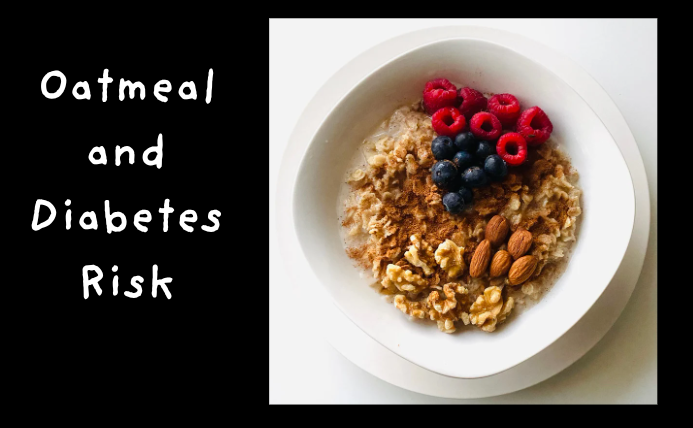
In Research, Oatmeal Is Associated With Less Diabetes, Lower Blood Sugar, and Lower HbA1c

Posted on August 23, 2026August 23, 2026 By drshintani No Comments on In Research, Oatmeal Is Associated With Less Diabetes, Lower Blood Sugar, and Lower HbA1c

This post is a response to viewer comments asking about oats, insulin, and diabetes — and the research on this is worth sharing in detail.

Oatmeal and Diabetes Risk

In a meta-analysis covering over 4.6 million person-years of observation, individuals who regularly ate the most oatmeal had a 21% lower risk of developing diabetes compared to those who ate little or no oatmeal.

Oatmeal and Blood Markers

A separate meta-analysis measuring the effect of oatmeal on blood markers found that those who ate the most oatmeal had lower fasting blood sugar levels, lower total cholesterol, and lower hemoglobin A1c compared to those who ate the least.

Oatmeal and Insulin Response

In terms of insulin, published tables on insulin response show that oatmeal raises insulin less than beef or yogurt — an important distinction, since insulin response and blood sugar response don’t always move together (as we discussed in the earlier post on the insulin index).

For more tips on carbohydrates and diabetes, download the free eBook Health Secrets at peacediet.org.

About Dr. Terry Shintani, MD, JD, MPH

Dr. Terry Shintani is a Harvard-trained physician and nutritionist, named a Living Treasure of Hawai’i and recipient of the U.S. Secretary of Health and Human Services Award for Excellence. He is the creator of the Peace Diet and the landmark Waianae Diet — published in the American Journal of Clinical Nutrition and cited over 137 times — and the author of 16 books on natural health and nutrition, drawing on more than 35 years of clinical practice in Honolulu, Hawaii.

Learn more about Dr. Shintani’s work and recognition: NLM Native Voices

Sources:

  • NIH/PubMed — Oatmeal Consumption and Type 2 Diabetes Risk: Meta-Analysis
  • NIH/PubMed — Oat Intake and Glycemic/Lipid Markers: Meta-Analysis
  • NIH/PubMed — Insulin Index of Common Foods
Uncategorized

Posts pagination

Previous 1 … 4 5 6 … 32 Next

About Dr. Shintani

Dr. Terry Shintani, MD, JD, MPH is a Board Certified Physician and Harvard-trained
nutritionist. His wellness program won a national award from the U.S. Secretary of
Health and Human Services and his peer-reviewed work is published in the American Journal of
Clinical Nutrition and several other scientific journals.  He also was featured in “Dateline NBC”,
CBS, “This Morning” CNN, Fox and  Newsweek  His Program is featured in the Encyclopedia
Britannica.  He has written 16 books including the Eat More Weigh Less(r) Diet, the Hawaii
Diet, the Carbohydrate revolution and the Peace Diet. Among his many community awards, He
was named a “Food Hero” by Eating Well Magazine, He was knighted by the Orthodox Order of
St. John, and formally designated a “Living Treasure” of Hawaii.

Read More

Search

  • Home
  • Blog
  • Join Us
  • PeaceDiet

Find Us

HAWAII HEALTH FOUNDATION

50 S.Beretania St. C-119B Honolulu, HI 96813

Email: mail@eHealthAndYou.com

Age Calculator

image

Copyright © 2026 Dr.Shintani.

Powered by PressBook WordPress theme

  • facebook
  • instagram
  • youtube
  • tiktok