
Skip to content
  • About
  • Blog
  • Testimonials
  • Join Us
  • Freebies
  • Contact
  • Social Media
  • PeaceDiet
  • Books
  • Age Calculator
Dr.Shintani

Dr.Shintani

Terry

Blog

What Is the Peace Diet — And Why Does It Work?

Posted on June 25, 2026June 25, 2026 By drshintani No Comments on What Is the Peace Diet — And Why Does It Work?

Most people trying to eat healthier feel overwhelmed. Low-carb or low-fat? Animal protein or plant-based? Supplements or whole foods? The advice changes every year — and so does the confusion.

Dr. Terry Shintani has spent decades cutting through that noise. And the answer he keeps coming back to is surprisingly simple: eat the foods that traditional, healthy cultures have eaten for thousands of years.

That’s the foundation of the Peace Diet.


What Is the Peace Diet?

The Peace Diet is a whole-food, plant-based eating plan developed by Dr. Shintani — a Harvard-trained physician with degrees in medicine, law, and public health, and a Living Treasure of Hawai’i.

It draws on the dietary wisdom of long-lived, low-disease populations around the world — from traditional Hawaiian and Japanese cultures to communities in the Mediterranean and rural Asia. What they all have in common: diets centered on whole grains, vegetables, legumes, and fruit, with little to no processed food or animal products.

The name “Peace Diet” reflects something Dr. Shintani observed over years of clinical practice: when people eat this way, they don’t just lose weight or lower their blood pressure. They feel at peace — with their food, their body, and their health.


What the Research Shows

This isn’t theory. Dr. Shintani’s work with the Waianae Coast Comprehensive Health Center produced some of the most dramatic short-term dietary results ever documented in peer-reviewed literature.

Participants eating traditional Hawaiian foods — poi, fish, sweet potato, taro, greens — saw:

  • Significant weight loss in just 21 days
  • Measurable drops in blood pressure and cholesterol
  • Reduced need for diabetes and blood pressure medications

These weren’t people in a controlled lab. They were real patients, eating real food, in a real community. And the results were published in the American Journal of Clinical Nutrition.


Why Plant-Based Eating Works

Whole plant foods are naturally high in fiber, antioxidants, and complex carbohydrates — and naturally low in the saturated fat and excess calories that drive chronic disease. When you eat this way, you don’t need to count calories obsessively or weigh every gram. The foods themselves regulate appetite and support your body’s natural healing systems.

Dr. Shintani often puts it this way: “The best diet is the one your great-great-grandmother would recognize.”


Is It for Everyone?

Dr. Shintani has worked with patients across a wide range of backgrounds and conditions — diabetes, heart disease, obesity, autoimmune issues, cancer recovery. The Peace Diet isn’t a one-size-fits-all prescription, but the core principle holds across the board: more whole plants, less processed food, less animal fat.

Whether you’re trying to lose weight, reduce medication dependence, prevent disease, or simply feel better — this is a place to start.


Learn More

The Peace Diet book is available on Amazon. To work directly with Dr. Shintani at his Honolulu clinic, visit drshintani.com or call (808) 628-8784.

📍 600 Queen St., Suite C-2, Honolulu, HI 96813

Uncategorized

What a Queen Bee Can Teach Us About the Food on Your Plate

Posted on June 23, 2026June 23, 2026 By drshintani No Comments on What a Queen Bee Can Teach Us About the Food on Your Plate

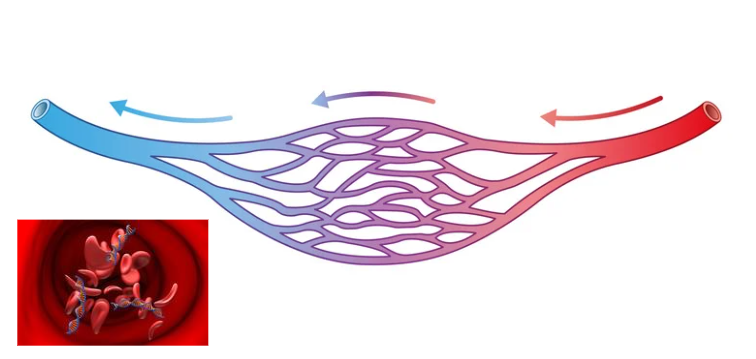
Here is a question most people never think to ask: what if the food you eat doesn’t just affect your weight or your cholesterol — but actually changes which parts of your DNA get turned on?

It sounds like science fiction. But it’s happening right now, in your body, with every meal you eat. And one of the most striking examples of this doesn’t come from a human study. It comes from a beehive.

In a colony of bees, every bee starts out genetically identical. Same DNA, same blueprint, same potential. Yet one bee — the queen — grows larger, lives longer, and becomes far more fertile than all the others. The difference between her and the rest of the colony isn’t her genes. It’s what she was fed.

The queen bee eats differently from the worker bees, and that single dietary difference is enough to switch on a completely different set of genetic instructions — transforming her body, her lifespan, and her role in the colony. Same DNA, dramatically different outcome.

image source: Wikipedia

This is the science of epigenetics: the idea that your genes are not a fixed destiny, but more like a set of light switches. Your environment — and especially your food — determines which switches get flipped on and which stay off.

Dr. Terry Shintani has been teaching this concept for decades, long before epigenetics became a popular term. When he began working with Native Hawaiian communities in Waianae in the 1980s, he watched what happened when people returned to a traditional, whole-food, plant-based way of eating. The changes weren’t just on the scale or in lab results — they were deep, systemic, and fast. Blood pressure dropped. Blood sugar normalized. Energy returned. Medications became unnecessary.

“Diet even affects your genes,” Dr. Shintani explains. “Certain genes are turned on with certain food that you eat. That’s why we’re afflicted with all these lifestyle diseases today — because our food has changed, and so has what our genes are expressing.”

The modern American diet — high in processed carbohydrates, refined oils, animal fats, and sugar — is essentially flipping on the switches for inflammation, obesity, diabetes, and heart disease. The traditional diets that sustained human populations for centuries — rich in whole grains, vegetables, legumes, and fruit — kept those switches largely off.

The good news buried in all of this is significant: if food can switch genes on, it can also switch them off. The damage that decades of processed eating may have done is not necessarily permanent. The body is remarkably responsive when given what it actually needs.

You don’t need to be a scientist to apply this. You don’t need to count genes or decode your DNA. You just need to eat more like your great-grandparents did — real food, close to the earth, minimally processed — and let your body do the rest.

The queen bee didn’t choose her diet. You can choose yours.


Dr. Terry Shintani is a Harvard-trained physician (MD, JD, MPH), a Living Treasure of Hawai’i, and the creator of the Waianae Diet and the Peace Diet. He continues to see patients at his Honolulu practice and shares daily health insights on YouTube.

🌿 Learn more at drshintani.com | peacediet.org

Uncategorized

Brain Health Starts Long Before Symptoms Appear

Posted on June 22, 2026June 23, 2026 By drshintani No Comments on Brain Health Starts Long Before Symptoms Appear

Most people don’t think about brain health until something goes wrong — a forgotten name, a missed appointment, a moment of confusion that lingers a little too long. But by the time symptoms appear, the changes in the brain may have been building for decades. The good news is that the reverse is also true: the habits you build today can protect your brain long before any warning signs emerge.

Research increasingly supports what integrative medicine has long understood — that cognitive decline is not simply an inevitable part of aging. It is largely a lifestyle disease, shaped by the same factors that drive heart disease, diabetes, and chronic inflammation. What you eat, how you move, how well you sleep, and how you manage stress all leave a lasting imprint on your brain’s future.

Five Habits That Support Long-Term Brain Health

1. Eat an anti-inflammatory diet.
Chronic inflammation is one of the most significant contributors to cognitive decline. A whole-food, plant-based diet rich in vegetables, legumes, whole grains, and fruits helps reduce systemic inflammation throughout the body — including in the brain. Foods high in antioxidants, such as leafy greens and berries, help neutralize the oxidative stress that damages brain cells over time. The Peace Diet approach, which emphasizes unprocessed, calorie-dilute whole foods, naturally supports this kind of anti-inflammatory eating pattern.

2. Move your body every day.
Physical activity increases blood flow to the brain, supports the growth of new neural connections, and reduces inflammatory markers in the bloodstream. You don’t need an intense workout — a daily walk, a swim, or even shooting baskets (as Dr. Shintani himself does at 70) keeps the brain well-supplied with oxygen and nutrients.

3. Prioritize deep, consistent sleep.
During sleep, the brain clears metabolic waste products — including the amyloid proteins associated with Alzheimer’s disease. Chronic sleep deprivation disrupts this process, allowing these proteins to accumulate. Seven to eight hours of quality sleep is not a luxury; it is essential brain maintenance.

4. Stay socially and mentally engaged.
Isolation and mental inactivity accelerate cognitive aging. Meaningful relationships, purposeful work, creative pursuits, and continued learning all help maintain the neural networks that keep the mind sharp. Community — a cornerstone of traditional Hawaiian culture — is not just good for the heart. It is good for the brain.

5. Manage stress through prayer, meditation, and purpose.
Chronic stress elevates cortisol, which over time damages the hippocampus — the brain’s center for memory and learning. Spiritual practice, meditation, and a clear sense of purpose help regulate the stress response and support emotional resilience. Dr. Shintani has spoken openly about the role of prayer and spiritual grounding throughout his own life and medical practice.

The Best Time to Start Is Now

You do not need a diagnosis to begin protecting your brain. The lifestyle choices you make in your 30s, 40s, and 50s — and even your 60s and 70s — can meaningfully shape how your mind functions in the decades ahead. Small daily choices, compounded over time, have a lasting impact on your future well-being.

Brain health is not a destination. It is a practice.


Dr. Terry Shintani is a Harvard-trained physician (MD, JD, MPH), a Living Treasure of Hawai’i, and the creator of the Waianae Diet and the Peace Diet. He continues to see patients at his Honolulu practice and shares daily health insights on YouTube.

Watch the full video below.

https://www.youtube.com/shorts/OJQRAY3p978

Uncategorized

The secret to 40% reduction in glycemic index of common carbs www.PeaceDiet.org

Posted on May 11, 2026May 11, 2026 By drshintani No Comments on The secret to 40% reduction in glycemic index of common carbs www.PeaceDiet.org

The secret to 40% reduction in glycemic index of common carbs www.PeaceDiet.org. For free ebook #drshintani #shintani #bloodsugar. #diabetes, #bloodsugarcontrol. #diabetes2 #reversediabetes. ##glycemicindex ##t2diabetes ##diabetesreversal ##pregnant

Uncategorized

Top 3 foods to increase insulin sensitivity

Posted on May 10, 2026May 11, 2026 By drshintani No Comments on Top 3 foods to increase insulin sensitivity

Top 3 foods to increase insulin sensitivity. See www.PeaceDiet.org for free ebook. #drshintani #shintani #greenscreen #diabetes. #diabetestypetwo. #insulinsensitivity. #reversediabetes. ##diabetesreversal

Uncategorized

Top 5 breakfast foods to avoid for blood sugar, and weight loss

Posted on May 9, 2026May 11, 2026 By drshintani No Comments on Top 5 breakfast foods to avoid for blood sugar, and weight loss

Top 5 breakfast foods to avoid for blood sugar, and weight loss. See www.PeaceDiet.org for free ebook. ##breakfast ##drshintani ##shintani ##bloodsugar ##diabetescontrol ##anticancer. ##weightloss #loseweight #Antidiabetes ##reversediabetes #reversediabetestype2 #weightcontrol. #greenscreen.

Uncategorized

5 Ways Giving Thanks gets you good health in return

Posted on May 8, 2026May 11, 2026 By drshintani No Comments on 5 Ways Giving Thanks gets you good health in return

5 Ways Giving Thanks gets you good health in return. See www.PeaceDiet.org for free e-book with 10 gratitude practices. #drshintani #shintaniiet.org shintani #holiday. #givingthanks #gratitude #gratitudepractices ##lessstress ##bettersleep #bettersleepnaturally #gratitudectices #thankfulness

Uncategorized

This is an often overlook nutrient that helps the brain in several ways

Posted on May 7, 2026May 11, 2026 By drshintani No Comments on This is an often overlook nutrient that helps the brain in several ways

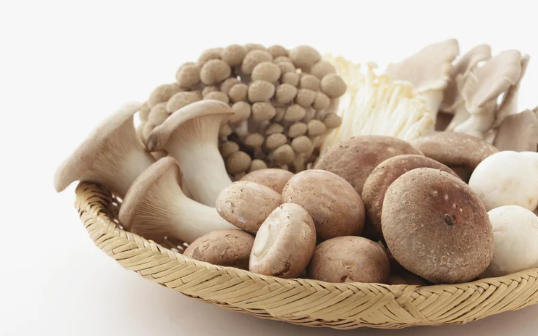
This is an often overlook nutrient that helps the brain in several ways. Research suggest that it helps improve attention, focus, working memory, and possibly blood pressure when under stress. It is found in green tea and especially Matcha tea, but also in some mushrooms. #drshintani #brainhealth #bettermemory. #Mentalfocus. #Shorttermmemory. #theanine #theanine_matcha #Brainfunction. #Memory

Uncategorized

Top seven nutrients for healthy, thyroid and energy

Posted on May 6, 2026May 11, 2026 By drshintani No Comments on Top seven nutrients for healthy, thyroid and energy

Top seven nutrients for healthy, thyroid and energy. See www.PeaceDiet.org for list ##shintani ##drshintani ##fatigue ##thyroid ##lowthyroid ##hypothyroid ##iodine ##brainfogtips ##brainfogsolution ##fatigued ##Healthyenergy ##tiredness

Uncategorized

Reverse diabetes on a high carb diet

Posted on May 5, 2026May 11, 2026 By drshintani No Comments on Reverse diabetes on a high carb diet

Reverse diabetes on a high carb diet. See wew.PeaceDiet.org for free eBook clarifying carbohydrate, myths. ##shintani ###drshintani ##healthtips ##Diabetes ##reversediabetes ##typetwodiabetes ##bloodsugarcontrol #b#bloodsugar#c#controlP#bloodsugarorg bloodsugar. #controlbloodsugarol. #h#highcarbdiet#c#controldiabetes

Uncategorized

Posts pagination

Previous 1 … 6 7 8 … 29 Next

About Dr. Shintani

Dr. Terry Shintani, MD, JD, MPH is a Board Certified Physician and Harvard-trained
nutritionist. His wellness program won a national award from the U.S. Secretary of
Health and Human Services and his peer-reviewed work is published in the American Journal of
Clinical Nutrition and several other scientific journals.  He also was featured in “Dateline NBC”,
CBS, “This Morning” CNN, Fox and  Newsweek  His Program is featured in the Encyclopedia
Britannica.  He has written 16 books including the Eat More Weigh Less(r) Diet, the Hawaii
Diet, the Carbohydrate revolution and the Peace Diet. Among his many community awards, He
was named a “Food Hero” by Eating Well Magazine, He was knighted by the Orthodox Order of
St. John, and formally designated a “Living Treasure” of Hawaii.

Read More

Search

  • Home
  • Blog
  • Join Us
  • PeaceDiet

Find Us

HAWAII HEALTH FOUNDATION

50 S.Beretania St. C-119B Honolulu, HI 96813

Email: mail@eHealthAndYou.com

Age Calculator

image

Copyright © 2026 Dr.Shintani.

Powered by PressBook WordPress theme