




Inflammation is one of the most fundamental processes in the human body. In its acute form — the redness, swelling, and heat that follow an injury or infection — it is a critical survival mechanism, marshaling the immune system to repair damaged tissue and fight off pathogens.
But when inflammation becomes chronic — persisting for months or years, driven not by an active threat but by the accumulated effects of diet, environment, and lifestyle — it becomes one of the most destructive forces in modern medicine. Chronic inflammation is now recognized as a central driver of arthritis, heart disease, diabetes, cancer, and an ever-growing list of autoimmune conditions in which the immune system turns against the body’s own tissues.
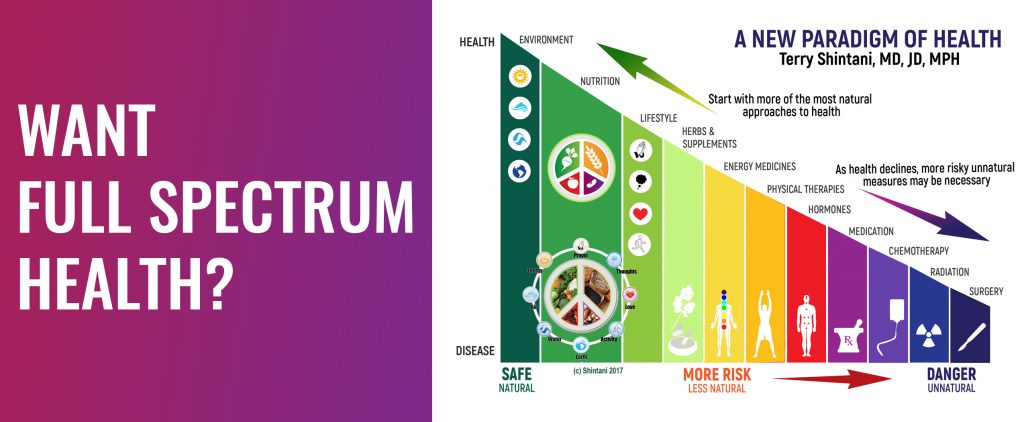
Dr. Terry Shintani has been treating inflammatory and autoimmune conditions naturally for over 30 years. His patients include people dealing with chronic headaches, osteoarthritis, rheumatoid arthritis, psoriasis, ulcerative colitis, Crohn’s disease, and a range of other conditions rooted in chronic immune dysregulation. Over those decades, he has identified eight foundational steps that form the basis of a natural, comprehensive approach to controlling inflammation — documented in detail in his full-length book, The Peace Diet, available on Amazon.
Here are those eight steps.
1. Avoid Toxins, Chemicals, and Allergens
The first and perhaps most underappreciated step is reducing the body’s total toxic burden. Many common environmental exposures — artificial food ingredients, herbicide and pesticide residues on conventionally grown produce, cigarette smoke, and for some people, specific foods like dairy or even certain cosmetics and personal care products — can trigger or amplify inflammatory responses in susceptible individuals.
The immune system treats many of these substances as threats, mounting low-grade inflammatory responses that accumulate over time. For people with autoimmune conditions, where the immune system is already dysregulated, reducing this toxic load can meaningfully reduce the overall intensity of immune activation.
Practical steps include choosing organic produce where possible — particularly for the highest-pesticide crops — reading ingredient labels and avoiding artificial colors, preservatives, and flavor enhancers, switching to fragrance-free and chemical-minimal personal care products, and for those with suspected dairy sensitivity, eliminating dairy for a trial period to assess its impact on symptoms.
2. Limit or Avoid Animal Fat
Animal fat — particularly from conventionally raised livestock — has a unique property that makes it particularly problematic from an inflammatory standpoint: it bioconcentrates environmental toxins. Fat-soluble chemicals, including pesticides, herbicides, industrial pollutants, and certain hormones, accumulate in animal adipose tissue at levels many times higher than those found in the animals’ feed or environment.
When we consume animal fat, we consume a concentrated dose of these accumulated toxins — adding to the total toxic burden that the immune system must contend with. Additionally, saturated fat from animal sources has been shown to directly activate inflammatory pathways in the body, independent of the toxins it carries.
Reducing or eliminating animal fat — while replacing it with plant-based sources of healthy fat such as avocado, nuts, seeds, and olive oil — reduces both the toxin burden and the direct inflammatory stimulus that saturated animal fat provides.
3. Eat Plenty of Colorful Vegetables and Fruit
The vibrant colors of vegetables and fruit are not merely aesthetic — they are produced by thousands of different phytochemical compounds, most of which have significant antioxidant and anti-inflammatory properties. Carotenoids in orange and yellow vegetables, anthocyanins in blueberries and red cabbage, lycopene in tomatoes, sulforaphane in broccoli, quercetin in apples and onions — each of these compounds modulates inflammatory pathways in different and complementary ways.
Research consistently shows that people who consume the greatest variety and quantity of colorful plant foods have the lowest levels of systemic inflammatory markers — including C-reactive protein and interleukin-6 — regardless of other lifestyle factors. The goal is variety as much as quantity: eating across the color spectrum ensures exposure to the broadest possible range of anti-inflammatory phytochemicals.
Aim for at least five to seven servings of vegetables and fruit daily, prioritizing variety and color over any single “superfood.” Dark leafy greens, cruciferous vegetables, berries, citrus, and deeply pigmented vegetables like beets and purple cabbage are particularly valuable.
4. Limit Processed Carbohydrates and Sugar
Refined carbohydrates — white flour, white rice, and the products made from them — and added sugars are among the most potent dietary drivers of inflammation. They cause rapid spikes in blood sugar and insulin, trigger the production of inflammatory signaling molecules called cytokines, and feed the harmful gut bacteria that promote intestinal permeability and systemic immune activation.
The connection between sugar and autoimmune disease is particularly significant. Research has shown that high sugar intake disrupts the balance of the gut microbiome, reduces the populations of beneficial bacteria that regulate immune tolerance, and increases intestinal permeability — allowing bacterial fragments and undigested food particles to enter the bloodstream, where they trigger immune responses that can escalate into autoimmune attacks on the body’s own tissues.
Replacing processed carbohydrates with whole, unprocessed carbohydrates — brown rice, oats, sweet potato, legumes, and whole fruit — eliminates the blood sugar spikes and inflammatory signaling without sacrificing the energy and fiber that carbohydrates provide.
5. Eat More Foods Rich in Omega-3 Oils
Omega-3 fatty acids are the most well-researched dietary anti-inflammatory compounds available. They work by shifting the body’s production of signaling molecules called eicosanoids and resolvins away from pro-inflammatory varieties toward anti-inflammatory and inflammation-resolving ones — effectively changing the immune system’s default setting from inflammatory to regulatory.
The research on omega-3s and autoimmune disease is particularly compelling. Multiple clinical trials have shown that omega-3 supplementation reduces disease activity in rheumatoid arthritis, psoriasis, inflammatory bowel disease, and lupus — sometimes dramatically enough to reduce the need for pharmaceutical anti-inflammatory medications.
Plant sources of omega-3 include flaxseeds, chia seeds, hemp seeds, and walnuts. Fatty fish — salmon, sardines, mackerel, and anchovies — provide EPA and DHA, the most bioavailable forms. For those on plant-based diets, algae-based omega-3 supplements provide EPA and DHA directly, without fish-derived products.
6. Limit Omega-6 Oils — Especially Arachidonic Acid
While omega-3 fatty acids are anti-inflammatory, their biochemical cousins — omega-6 fatty acids — are largely pro-inflammatory. The balance between omega-3 and omega-6 in the diet has a profound effect on the body’s baseline inflammatory state.
The modern Western diet has an omega-6 to omega-3 ratio of approximately 15:1 to 20:1 — far from the 4:1 or lower ratio associated with optimal health in traditional diets. This imbalance is driven primarily by the widespread use of seed oils — corn oil, soybean oil, sunflower oil, and safflower oil — which are extremely high in omega-6 fatty acids, and by high consumption of meat and poultry, which contain arachidonic acid — an omega-6 that converts directly into highly pro-inflammatory compounds in the body.
Reducing consumption of these oils and of meat and poultry — while increasing omega-3 intake as described above — helps restore a more anti-inflammatory fatty acid balance throughout the body’s cell membranes and signaling systems.
7. Eat More High-Fiber Foods for Gut Health
The gut microbiome — the community of trillions of bacteria living in the digestive tract — plays a central and increasingly recognized role in regulating immune function and inflammation. Beneficial gut bacteria produce short-chain fatty acids and other compounds that directly modulate immune signaling, promote regulatory T-cell development, and maintain the integrity of the intestinal lining.
When the gut microbiome is disrupted — as it is by poor diet, antibiotics, stress, and environmental toxins — the resulting dysbiosis is associated with increased intestinal permeability, dysregulated immune responses, and elevated systemic inflammation. For people with autoimmune conditions, gut dysbiosis is almost universally present and is increasingly recognized as a contributing cause rather than merely a consequence of disease.
High-fiber foods — particularly prebiotic fibers from vegetables, legumes, whole grains, and fruit — directly feed the beneficial bacteria that regulate inflammation. Fermented foods — miso, tempeh, kimchi, sauerkraut — add beneficial bacteria directly. Together, these dietary choices support the gut microbiome’s critical role as the body’s immune regulator.
8. Coordinate These Steps with Your Physician’s Recommendations
This is not merely a legal disclaimer — it is a genuinely important clinical principle. Many people with inflammatory and autoimmune conditions are taking medications — corticosteroids, biologics, immunosuppressants, NSAIDs — that are managing active disease and preventing serious complications.
Natural dietary and lifestyle interventions are most powerful when implemented as a complement to, not a replacement for, appropriate medical care. As the dietary changes described above take effect — reducing inflammation, improving gut health, and reducing the body’s toxic burden — medication needs may change, and dosages may need adjustment. This process requires medical supervision.
Dr. Shintani has spent over 30 years working alongside his patients’ other physicians to integrate natural approaches with conventional medicine — not as an alternative, but as a powerful complement that often allows for reduced medication dependence over time.
For the complete, detailed version of this approach — including specific food lists, supplement recommendations, and protocols for specific conditions — Dr. Shintani’s book The Peace Diet is available on Amazon and provides the comprehensive resource that a brief video or article cannot fully convey.
Dr. Terry Shintani is a Harvard-trained physician (MD, JD, MPH), a Living Treasure of Hawai’i, and the creator of the Waianae Diet and the Peace Diet. He continues to see patients at his Honolulu practice and shares daily health insights on YouTube.
🌿 Learn more at PeaceDiet.org | Watch the video: https://www.instagram.com/p/Da9TT6FzMfr/
📚 Get the full book — The Peace Diet on Amazon
📖 Also read:
— 7 Best Foods to Fight Arthritis: https://drshintani.com/wordpress/2026/07/02/7-best-foods-to-fight-arthritis-and-pain-naturally/
— Top 5 Supplements for Arthritis and Pain: https://drshintani.com/wordpress/2026/07/09/top-5-natural-supplements-for-arthritis-and-pain-control/