






Most people don’t think about brain health until something goes wrong — a forgotten name, a missed appointment, a moment of confusion that lingers a little too long. But by the time symptoms appear, the changes in the brain may have been building for decades. The good news is that the reverse is also true: the habits you build today can protect your brain long before any warning signs emerge.
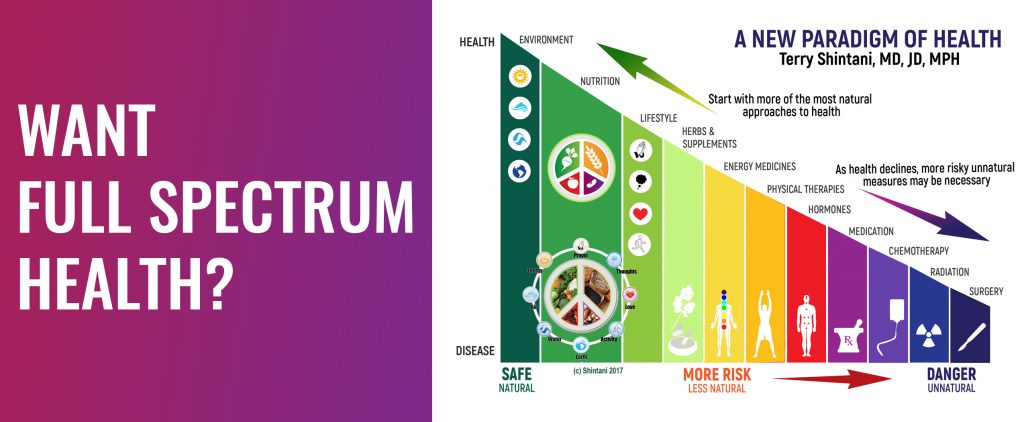
Research increasingly supports what integrative medicine has long understood — that cognitive decline is not simply an inevitable part of aging. It is largely a lifestyle disease, shaped by the same factors that drive heart disease, diabetes, and chronic inflammation. What you eat, how you move, how well you sleep, and how you manage stress all leave a lasting imprint on your brain’s future.
Five Habits That Support Long-Term Brain Health
1. Eat an anti-inflammatory diet.
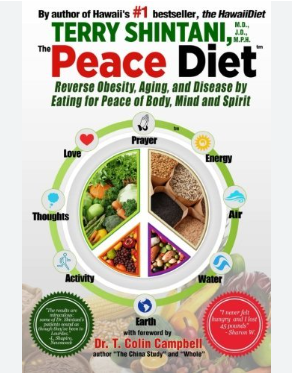
Chronic inflammation is one of the most significant contributors to cognitive decline. A whole-food, plant-based diet rich in vegetables, legumes, whole grains, and fruits helps reduce systemic inflammation throughout the body — including in the brain. Foods high in antioxidants, such as leafy greens and berries, help neutralize the oxidative stress that damages brain cells over time. The Peace Diet approach, which emphasizes unprocessed, calorie-dilute whole foods, naturally supports this kind of anti-inflammatory eating pattern.
2. Move your body every day.
Physical activity increases blood flow to the brain, supports the growth of new neural connections, and reduces inflammatory markers in the bloodstream. You don’t need an intense workout — a daily walk, a swim, or even shooting baskets (as Dr. Shintani himself does at 70) keeps the brain well-supplied with oxygen and nutrients.
3. Prioritize deep, consistent sleep.
During sleep, the brain clears metabolic waste products — including the amyloid proteins associated with Alzheimer’s disease. Chronic sleep deprivation disrupts this process, allowing these proteins to accumulate. Seven to eight hours of quality sleep is not a luxury; it is essential brain maintenance.
4. Stay socially and mentally engaged.
Isolation and mental inactivity accelerate cognitive aging. Meaningful relationships, purposeful work, creative pursuits, and continued learning all help maintain the neural networks that keep the mind sharp. Community — a cornerstone of traditional Hawaiian culture — is not just good for the heart. It is good for the brain.
5. Manage stress through prayer, meditation, and purpose.
Chronic stress elevates cortisol, which over time damages the hippocampus — the brain’s center for memory and learning. Spiritual practice, meditation, and a clear sense of purpose help regulate the stress response and support emotional resilience. Dr. Shintani has spoken openly about the role of prayer and spiritual grounding throughout his own life and medical practice.
The Best Time to Start Is Now
You do not need a diagnosis to begin protecting your brain. The lifestyle choices you make in your 30s, 40s, and 50s — and even your 60s and 70s — can meaningfully shape how your mind functions in the decades ahead. Small daily choices, compounded over time, have a lasting impact on your future well-being.
Brain health is not a destination. It is a practice.
Dr. Terry Shintani is a Harvard-trained physician (MD, JD, MPH), a Living Treasure of Hawai’i, and the creator of the Waianae Diet and the Peace Diet. He continues to see patients at his Honolulu practice and shares daily health insights on YouTube.
Watch the full video below.
https://www.youtube.com/shorts/OJQRAY3p978