Skip to content
  • About
  • Blog
  • Testimonials
  • Join Us
  • Freebies
  • Contact
  • Social Media
  • PeaceDiet
  • Books
  • Age Calculator
Dr.Shintani

Dr.Shintani

Terry

Author: drshintani

A Surprisingly Simple Way to Lower Blood Pressure and Brain Fog

Posted on August 28, 2026August 28, 2026 By drshintani No Comments on A Surprisingly Simple Way to Lower Blood Pressure and Brain Fog

Nitric oxide plays a major role in relaxing blood vessels to help control blood pressure and circulation. Beyond diet and supplements, there’s a surprisingly simple way to increase nitric oxide — and it has to do with how you breathe.

The Power of Humming

Researchers found that humming — which requires breathing in and out through your nose — increased nitric oxide 15-fold in the nasal mucosa.

Why This Works

It turns out the lining of the nasal mucosa is full of an enzyme called nitric oxide synthase, which is activated by airflow. When you breathe in and out through your nose, you naturally increase nitric oxide production. This, in turn, helps open blood vessels, lower blood pressure, and improve circulation to the brain.

It’s a simple, free practice — a few minutes of nasal breathing or humming could offer real circulatory benefits alongside diet and supplements.

For a full list of 21 of the best nitric oxide foods, download the free eBook Health Secrets at peacediet.org.

About Dr. Terry Shintani, MD, JD, MPH

Dr. Terry Shintani is a Harvard-trained physician and nutritionist, named a Living Treasure of Hawai’i and recipient of the U.S. Secretary of Health and Human Services Award for Excellence. He is the creator of the Peace Diet and the landmark Waianae Diet — published in the American Journal of Clinical Nutrition and cited over 137 times — and the author of 16 books on natural health and nutrition, drawing on more than 35 years of clinical practice in Honolulu, Hawaii.

Learn more about Dr. Shintani’s work and recognition: NLM Native Voices

Sources:

  • NIH/PubMed — Nasal Nitric Oxide and Humming: Physiological Mechanisms
  • NIH/PubMed — Nitric Oxide Synthase and Vascular Function
  • NIH/NHLBI — Nitric Oxide and Blood Pressure Regulation
Uncategorized

Improve Your Sleep by Doing This One Simple Thing

Posted on August 27, 2026August 27, 2026 By drshintani No Comments on Improve Your Sleep by Doing This One Simple Thing

Sleep better tonight just by changing one thing today.

A new study from Columbia University and the University of Chicago tracked healthy adults for over 200 days to see what factors affected sleep quality. What they found was simple but powerful.

Fruits and Vegetables — The Surprising Sleep Connection

Researchers found that eating more fruit and vegetables during the day led to better sleep that very night. They estimate that consuming the recommended five servings of fruit and vegetables per day — something as simple as an apple, a cup of grapes, or a couple of carrots — could lead to a 16% improvement in sleep quality compared to eating no fruits or vegetables that day.

Sixteen percent might not sound like much, but across a 7-hour night of sleep, that translates to roughly an hour and 15 minutes of improved sleep quality.

Why This Happens

Researchers believe that natural carbohydrates in produce help the brain absorb tryptophan more effectively, which in turn boosts melatonin — the hormone that helps you fall and stay asleep.

So the next time you want better rest, don’t count sheep — count servings of fruits and vegetables.

For more tips on natural health, download the free eBook Health Secrets at peacediet.org.

About Dr. Terry Shintani, MD, JD, MPH

Dr. Terry Shintani is a Harvard-trained physician and nutritionist, named a Living Treasure of Hawai’i and recipient of the U.S. Secretary of Health and Human Services Award for Excellence. He is the creator of the Peace Diet and the landmark Waianae Diet — published in the American Journal of Clinical Nutrition and cited over 137 times — and the author of 16 books on natural health and nutrition, drawing on more than 35 years of clinical practice in Honolulu, Hawaii.

Learn more about Dr. Shintani’s work and recognition: NLM Native Voices

Sources:

  • Columbia University / University of Chicago — Fruit and Vegetable Intake and Same-Day Sleep Quality
  • NIH/PubMed — Tryptophan, Melatonin, and Dietary Carbohydrates
  • NIH/NCCIH — Sleep Hygiene and Diet
Uncategorized

Doing This Every Day May Cut Your Diabetes Risk by Up to 25%

Posted on August 26, 2026August 27, 2026 By drshintani No Comments on Doing This Every Day May Cut Your Diabetes Risk by Up to 25%

This popular, enjoyable habit may be genuinely good for preventing diabetes — and the more you do it, the better the effect seems to be.

In a large meta-analysis that included 1.1 million people, researchers found a clear dose-response relationship between coffee consumption and diabetes risk:

  • 1 cup per day: 8% lower risk of diabetes
  • 2 cups per day: 15% lower risk
  • 3 cups per day: 21% lower risk
  • 4 cups per day: 25% lower risk

All figures are compared to those who drank little or no coffee.

A Few Notes

Of course, be mindful of getting too much caffeine — more isn’t always better when it comes to sleep and anxiety. Interestingly, researchers also found that the anti-diabetic effect was slightly stronger with decaf coffee, suggesting the benefit isn’t solely about caffeine itself, but likely involves other compounds in coffee as well.

To help protect your long-term health, consider making coffee part of your daily routine — in moderation, and mindful of your own caffeine sensitivity.

For more tips on natural health, download the free eBook Health Secrets at peacediet.org.

About Dr. Terry Shintani, MD, JD, MPH

Dr. Terry Shintani is a Harvard-trained physician and nutritionist, named a Living Treasure of Hawai’i and recipient of the U.S. Secretary of Health and Human Services Award for Excellence. He is the creator of the Peace Diet and the landmark Waianae Diet — published in the American Journal of Clinical Nutrition and cited over 137 times — and the author of 16 books on natural health and nutrition, drawing on more than 35 years of clinical practice in Honolulu, Hawaii.

Learn more about Dr. Shintani’s work and recognition: NLM Native Voices

Sources:

  • NIH/PubMed — Coffee Consumption and Type 2 Diabetes Risk: Dose-Response Meta-Analysis
  • NIH/PubMed — Decaffeinated Coffee and Diabetes Risk
  • NIH/NCCIH — Caffeine: What You Need to Know
Uncategorized

Get a 47% Lower Risk of Diabetes If You Drink This

Posted on August 25, 2026August 25, 2026 By drshintani No Comments on Get a 47% Lower Risk of Diabetes If You Drink This

To help prevent diabetes, consider what’s in your cup. Research on tea — one of the world’s oldest and most widely consumed beverages — shows some striking results.

Green Tea

One research project found that drinking six cups of green tea per day reduced the risk of diabetes by 33% compared to those who drank less than one cup per day.

Black Tea

In another study, researchers found that daily black tea consumption reduced blood sugar and insulin resistance.

Dark Tea

Researchers also found that those who drank dark tea had a 47% lower risk of diabetes compared to non-tea drinkers.

The Common Thread

What these three teas have in common is that they all come from the same plant, Camellia sinensis. The only difference between green, black, and dark tea is the degree of fermentation the leaves undergo.

To help prevent diabetes, consider incorporating green, black, or dark tea into your daily routine.

For more tips on natural health, download the free eBook Health Secrets at peacediet.org.

About Dr. Terry Shintani, MD, JD, MPH

Dr. Terry Shintani is a Harvard-trained physician and nutritionist, named a Living Treasure of Hawai’i and recipient of the U.S. Secretary of Health and Human Services Award for Excellence. He is the creator of the Peace Diet and the landmark Waianae Diet — published in the American Journal of Clinical Nutrition and cited over 137 times — and the author of 16 books on natural health and nutrition, drawing on more than 35 years of clinical practice in Honolulu, Hawaii.

Learn more about Dr. Shintani’s work and recognition: NLM Native Voices

Sources:

  • NIH/PubMed — Green Tea Consumption and Type 2 Diabetes Risk: Cohort Study
  • NIH/PubMed — Black Tea Intake and Insulin Resistance
  • NIH/PubMed — Dark Tea Consumption and Diabetes Risk in Chinese Adults
Uncategorized

In Research, Oatmeal Is Associated With Less Diabetes, Lower Blood Sugar, and Lower HbA1c

Posted on August 23, 2026August 23, 2026 By drshintani No Comments on In Research, Oatmeal Is Associated With Less Diabetes, Lower Blood Sugar, and Lower HbA1c

This post is a response to viewer comments asking about oats, insulin, and diabetes — and the research on this is worth sharing in detail.

Oatmeal and Diabetes Risk

In a meta-analysis covering over 4.6 million person-years of observation, individuals who regularly ate the most oatmeal had a 21% lower risk of developing diabetes compared to those who ate little or no oatmeal.

Oatmeal and Blood Markers

A separate meta-analysis measuring the effect of oatmeal on blood markers found that those who ate the most oatmeal had lower fasting blood sugar levels, lower total cholesterol, and lower hemoglobin A1c compared to those who ate the least.

Oatmeal and Insulin Response

In terms of insulin, published tables on insulin response show that oatmeal raises insulin less than beef or yogurt — an important distinction, since insulin response and blood sugar response don’t always move together (as we discussed in the earlier post on the insulin index).

For more tips on carbohydrates and diabetes, download the free eBook Health Secrets at peacediet.org.

About Dr. Terry Shintani, MD, JD, MPH

Dr. Terry Shintani is a Harvard-trained physician and nutritionist, named a Living Treasure of Hawai’i and recipient of the U.S. Secretary of Health and Human Services Award for Excellence. He is the creator of the Peace Diet and the landmark Waianae Diet — published in the American Journal of Clinical Nutrition and cited over 137 times — and the author of 16 books on natural health and nutrition, drawing on more than 35 years of clinical practice in Honolulu, Hawaii.

Learn more about Dr. Shintani’s work and recognition: NLM Native Voices

Sources:

  • NIH/PubMed — Oatmeal Consumption and Type 2 Diabetes Risk: Meta-Analysis
  • NIH/PubMed — Oat Intake and Glycemic/Lipid Markers: Meta-Analysis
  • NIH/PubMed — Insulin Index of Common Foods
Uncategorized

4 Ways Blood Pressure Medications Work — and How They May Become Unnecessary

Posted on August 21, 2026August 21, 2026 By drshintani No Comments on 4 Ways Blood Pressure Medications Work — and How They May Become Unnecessary

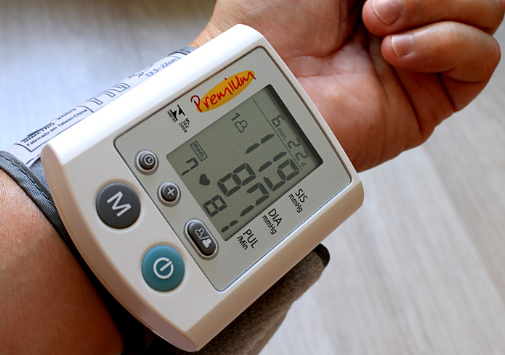
Of course, it’s better to control blood pressure through diet and lifestyle. But it’s worth understanding how blood pressure medications actually work — and what it means if your numbers stay high despite them.

1. Angiotensin Medications

These relax blood vessels, making it easier for blood to flow and lowering pressure on artery walls.

2. Calcium Channel Blockers

Medications like amlodipine also relax blood vessels, working through a different mechanism than angiotensin drugs.

3. Diuretics

Medications like hydrochlorothiazide reduce blood volume, which lowers the overall pressure in the system.

4. Beta Blockers

Medications like metoprolol decrease the force of heart contraction, reducing the workload on the cardiovascular system.

When Blood Pressure Stays High

If blood pressure remains high despite these measures, it may indicate that arterial hardening is occurring. In these cases, cholesterol and inflammation need to be managed over time through diet, supplements, and medication as needed.

The important thing to understand is that these medications can often become unnecessary with diet and lifestyle changes — sometimes quickly, and sometimes gradually over time.

For a full list of foods that support healthy blood pressure, see the bonus chapter in the free eBook Health Secrets at peacediet.org.

About Dr. Terry Shintani, MD, JD, MPH

Dr. Terry Shintani is a Harvard-trained physician and nutritionist, named a Living Treasure of Hawai’i and recipient of the U.S. Secretary of Health and Human Services Award for Excellence. He is the creator of the Peace Diet and the landmark Waianae Diet — published in the American Journal of Clinical Nutrition and cited over 137 times — and the author of 16 books on natural health and nutrition, drawing on more than 35 years of clinical practice in Honolulu, Hawaii.

Learn more about Dr. Shintani’s work and recognition: NLM Native Voices

Sources:

  • American Heart Association — Types of Blood Pressure Medications
  • NIH/NHLBI — High Blood Pressure Treatment
  • NIH/PubMed — Arterial Stiffness and Resistant Hypertension
Uncategorized

4 Beverages to Avoid to Help Prevent Brain Dysfunction and Alzheimer’s Disease

Posted on August 18, 2026August 18, 2026 By drshintani No Comments on 4 Beverages to Avoid to Help Prevent Brain Dysfunction and Alzheimer’s Disease

Protecting your brain isn’t just about what you eat — it’s also about what you drink. Here are four beverages worth minimizing or avoiding to help protect long-term brain health. The last one surprises most people.

1. Alcohol

When alcohol is metabolized in the body, it’s converted into acetaldehyde, a compound related to formaldehyde that is toxic to brain cells.

2. Sugary Beverages

Sugar-sweetened drinks cause blood sugar spikes, which increase the risk of microvascular damage to the brain over time.

3. Artificially Sweetened Beverages

Diet soft drinks and energy drinks have also been linked to increased dementia risk. A Harvard study found that people who regularly drank diet soft drinks had three times the risk of Alzheimer’s disease compared to those who didn’t consume artificially sweetened beverages.

4. Artificial Non-Dairy Creamers

This is the surprising one. Most artificial non-dairy creamers contain trans fats, which can contribute to brain inflammation — even when the label says “zero trans fat.” The FDA allows products with less than half a gram of trans fat per serving to be labeled as having zero trans fat, so the true amount can add up if used regularly.

To help protect your brain, consider minimizing or avoiding these four beverages.

For more tips on natural health, download the free eBook Health Secrets at peacediet.org.

About Dr. Terry Shintani, MD, JD, MPH

Dr. Terry Shintani is a Harvard-trained physician and nutritionist, named a Living Treasure of Hawai’i and recipient of the U.S. Secretary of Health and Human Services Award for Excellence. He is the creator of the Peace Diet and the landmark Waianae Diet — published in the American Journal of Clinical Nutrition and cited over 137 times — and the author of 16 books on natural health and nutrition, drawing on more than 35 years of clinical practice in Honolulu, Hawaii.

Learn more about Dr. Shintani’s work and recognition: NLM Native Voices

Sources:

  • Harvard T.H. Chan School of Public Health — Artificially Sweetened Beverages and Dementia Risk
  • NIH/PubMed — Alcohol Metabolism and Neurotoxicity of Acetaldehyde
  • FDA — Trans Fat Labeling Requirements
Uncategorized

This Neglected Super Nutrient Is Associated With Less Heart Disease, Stroke, Cancer, Diabetes, and Alzheimer’s

Posted on August 17, 2026August 17, 2026 By drshintani No Comments on This Neglected Super Nutrient Is Associated With Less Heart Disease, Stroke, Cancer, Diabetes, and Alzheimer’s

This often-neglected nutrient reduces LDL cholesterol and is associated with lower heart disease and stroke mortality. It’s also linked to lower rates of breast, stomach, prostate, and pancreatic cancer — and reduces colon cancer risk by about 16%.

This super nutrient is fiber.

Fiber and Blood Sugar

Dietary fiber slows the absorption of blood sugar and is associated with 16% less diabetes.

Fiber and Brain Health

Research indicates that people who ate 18 grams of fiber or more per day had a 26% lower risk of Alzheimer’s disease compared to those who ate less than 10 grams per day.

Are You Getting Enough?

The typical American eats only about 10–15 grams of fiber per day. Women should aim for about 25 grams per day, and men around 35 grams per day.

Best Sources of Fiber

  • Beans and lentils: 11–15 grams per cup
  • Whole grains: 3.5–6 grams per cooked cup
  • Fruit: 3–5 grams per cup
  • Vegetables: roughly 3–10 grams per cup

For a full list of 20 high-fiber foods, download the free eBook Health Secrets at peacediet.org.

About Dr. Terry Shintani, MD, JD, MPH

Dr. Terry Shintani is a Harvard-trained physician and nutritionist, named a Living Treasure of Hawai’i and recipient of the U.S. Secretary of Health and Human Services Award for Excellence. He is the creator of the Peace Diet and the landmark Waianae Diet — published in the American Journal of Clinical Nutrition and cited over 137 times — and the author of 16 books on natural health and nutrition, drawing on more than 35 years of clinical practice in Honolulu, Hawaii.

Learn more about Dr. Shintani’s work and recognition: NLM Native Voices

Sources:

  • NIH/PubMed — Dietary Fiber Intake and Cardiovascular Mortality
  • NIH/PubMed — Fiber Intake and Alzheimer’s Disease Risk
  • NIH/NIDDK — Fiber and Diabetes Prevention
Uncategorized

7 Anti-Aging & Youthful Skin Foods

Posted on August 15, 2026August 15, 2026 By drshintani No Comments on 7 Anti-Aging & Youthful Skin Foods

Aging is a combination of oxidation, inflammation, and DNA damage. These seven foods can help slow — or even help reverse — that process.

1. Citrus Fruit

High in vitamin C, which supports collagen repair for healthy skin, and limonene, which helps protect DNA.

2. Blueberries

Rich in anthocyanins, which are anti-inflammatory and help protect nerves and the brain.

3. Prunes

Contain beta-cryptoxanthin, which helps protect the skin.

4. Broccoli

Contains sulforaphane and beta-carotene, both powerful antioxidants that support healthy cell function.

5. Kiwifruit

Loaded with quercetin and fisetin, both of which help protect DNA and skin.

6. Avocados

Provide healthy fats along with the antioxidants zeaxanthin and lutein.

7. Chocolate

The pleasant surprise — dark chocolate contains polyphenols known to help reduce skin wrinkling.

For a list of 15 more anti-aging foods, download the free eBook Health Secrets at peacediet.org.

About Dr. Terry Shintani, MD, JD, MPH

Dr. Terry Shintani is a Harvard-trained physician and nutritionist, named a Living Treasure of Hawai’i and recipient of the U.S. Secretary of Health and Human Services Award for Excellence. He is the creator of the Peace Diet and the landmark Waianae Diet — published in the American Journal of Clinical Nutrition and cited over 137 times — and the author of 16 books on natural health and nutrition, drawing on more than 35 years of clinical practice in Honolulu, Hawaii.

Learn more about Dr. Shintani’s work and recognition: NLM Native Voices

Sources:

  • NIH/PubMed — Anthocyanins and Neuroprotection
  • NIH/PubMed — Dietary Polyphenols and Skin Aging
  • NIH/NCCIH — Antioxidants and Health
Uncategorized

Before Taking Metformin, Ask Your Doctor About Berberine

Posted on August 13, 2026August 13, 2026 By drshintani No Comments on Before Taking Metformin, Ask Your Doctor About Berberine

Before starting metformin for diabetes — or if you’re already taking it — there’s a natural compound worth discussing with your doctor.

Ask your doctor if they know about berberine, an herbal compound derived from barberry. Research suggests it may be just as effective as metformin for blood sugar control, may help manage cholesterol, and appears to be gentler on the kidneys.

What the Research Shows

In a clinical trial involving people with newly diagnosed diabetes, participants given 500 mg of berberine three times a day for three months experienced a decrease in blood sugar comparable to that produced by metformin. Hemoglobin A1c levels dropped from 9.5 to 7.5 over the course of the study.

An Important Note

This isn’t a recommendation to stop or replace any prescribed medication on your own. Metformin is a well-established, effective treatment, and any changes to your diabetes management should be made only in consultation with your doctor. But if you’re curious about natural options — or looking for something that may be gentler on the kidneys — berberine is worth bringing up at your next appointment.

For more tips on natural blood sugar control, download the free eBook Health Secrets at peacediet.org.

About Dr. Terry Shintani, MD, JD, MPH

Dr. Terry Shintani is a Harvard-trained physician and nutritionist, named a Living Treasure of Hawai’i and recipient of the U.S. Secretary of Health and Human Services Award for Excellence. He is the creator of the Peace Diet and the landmark Waianae Diet — published in the American Journal of Clinical Nutrition and cited over 137 times — and the author of 16 books on natural health and nutrition, drawing on more than 35 years of clinical practice in Honolulu, Hawaii.

Learn more about Dr. Shintani’s work and recognition: NLM Native Voices

Sources:

  • Journal of Metabolism — Berberine vs. Metformin: Comparative Clinical Trial
  • NIH/PubMed — Berberine and Glycemic Control in Type 2 Diabetes
  • NIH/NCCIH — Berberine: Uses and Safety
Uncategorized

Posts pagination

Previous 1 2 3 … 29 Next

About Dr. Shintani

Dr. Terry Shintani, MD, JD, MPH is a Board Certified Physician and Harvard-trained
nutritionist. His wellness program won a national award from the U.S. Secretary of
Health and Human Services and his peer-reviewed work is published in the American Journal of
Clinical Nutrition and several other scientific journals.  He also was featured in “Dateline NBC”,
CBS, “This Morning” CNN, Fox and  Newsweek  His Program is featured in the Encyclopedia
Britannica.  He has written 16 books including the Eat More Weigh Less(r) Diet, the Hawaii
Diet, the Carbohydrate revolution and the Peace Diet. Among his many community awards, He
was named a “Food Hero” by Eating Well Magazine, He was knighted by the Orthodox Order of
St. John, and formally designated a “Living Treasure” of Hawaii.

Read More

Search

  • Home
  • Blog
  • Join Us
  • PeaceDiet

Find Us

HAWAII HEALTH FOUNDATION

50 S.Beretania St. C-119B Honolulu, HI 96813

Email: mail@eHealthAndYou.com

Age Calculator

image

Copyright © 2026 Dr.Shintani.

Powered by PressBook WordPress theme