Skip to content
  • About
  • Blog
  • Testimonials
  • Join Us
  • Freebies
  • Contact
  • Social Media
  • PeaceDiet
  • Books
  • Age Calculator
Dr.Shintani

Dr.Shintani

Terry

Author: drshintani

The 7 Best Supplements for Fatty Liver Disease — Dr. Shintani’s Next Step Guide

Posted on July 7, 2026July 7, 2026 By drshintani No Comments on The 7 Best Supplements for Fatty Liver Disease — Dr. Shintani’s Next Step Guide

In a recent video, Dr. Terry Shintani outlined his 7-step plan to reverse fatty liver disease naturally — through whole grains, whole fruit, high-fiber vegetables, avoiding fried foods, regular exercise, and sustainable weight loss. At the end of that video, he teased something many viewers have been asking about ever since: the seven supplements that may provide additional support for liver health.

This is that follow-up.

First, an important reminder: supplements work best as a complement to the dietary and lifestyle foundation, not a replacement for it. The seven steps outlined in Dr. Shintani’s previous post address the root causes of fatty liver. The supplements below support the liver’s healing process — but they cannot undo a diet that continues to damage it.

With that said, here are seven supplements with meaningful clinical evidence for supporting liver health in people with NAFLD.

1. Milk Thistle (Silymarin)

Milk thistle is the most well-researched natural supplement for liver health, with a history of medicinal use stretching back over 2,000 years. Its active compound — silymarin — is a powerful antioxidant that works through several mechanisms to protect and regenerate liver cells.

Silymarin has been shown to reduce liver inflammation, inhibit the formation of scar tissue (fibrosis), and stimulate the production of new liver cells to replace damaged ones. Multiple clinical trials have demonstrated that silymarin supplementation reduces liver enzyme levels — the primary blood markers used to assess liver damage — in people with NAFLD. It also appears to reduce insulin resistance, one of the key drivers of fatty liver accumulation.

Milk thistle is widely available, well-tolerated, and considered safe for long-term use at standard doses. It is arguably the single most evidence-backed natural supplement for liver support available.

2. Berberine

Berberine — the same plant compound discussed in relation to blood sugar control — turns out to be equally impressive for fatty liver disease. This makes sense, given that NAFLD and insulin resistance are so closely linked.

Research published in multiple journals has shown that berberine supplementation significantly reduces liver fat content, lowers liver enzyme levels, and improves insulin sensitivity in people with NAFLD. In some studies, berberine has produced results comparable to pharmaceutical interventions for fatty liver — without the side effects associated with those medications.

Berberine works in part by activating AMPK — an enzyme that acts as the body’s master metabolic switch, promoting fat burning and inhibiting fat storage in the liver. It also improves gut health, which has an important connection to liver health through what is called the gut-liver axis.

3. Vitamin E

Vitamin E is a fat-soluble antioxidant that plays a critical role in protecting cell membranes — including those of liver cells — from oxidative damage. In people with fatty liver, the liver is under significant oxidative stress, and Vitamin E’s protective effects are particularly relevant.

The American Association for the Study of Liver Diseases (AASLD) has specifically recommended Vitamin E as a treatment option for non-diabetic adults with NAFLD — one of the few natural supplements to receive this kind of mainstream clinical endorsement. Studies have shown that Vitamin E supplementation reduces liver inflammation, lowers liver enzyme levels, and in some cases produces histological improvement — meaning the liver tissue itself looks healthier under a microscope.

Natural Vitamin E (d-alpha-tocopherol) from food sources or high-quality supplements is preferable to synthetic forms. Rich food sources include almonds, sunflower seeds, and wheat germ.

4. Omega-3 Fatty Acids

Omega-3 fatty acids — EPA and DHA from marine sources, or ALA from flaxseed, chia, and walnuts — have well-documented anti-inflammatory effects that extend specifically to the liver. Research has shown that omega-3 supplementation can meaningfully reduce liver fat content, lower triglycerides, and reduce inflammation in people with NAFLD.

The mechanism is multifaceted: omega-3s reduce the liver’s own production of triglycerides, increase fat oxidation (the burning of fat for fuel), and shift the balance of inflammatory signaling molecules in the liver toward a less inflammatory state. For people following a plant-based diet, algae-based omega-3 supplements provide the same EPA and DHA found in fish oil — without the sustainability concerns or potential contaminants.

5. NAC (N-Acetyl Cysteine)

N-acetyl cysteine is a precursor to glutathione — often called the body’s master antioxidant. Glutathione is produced in the liver and plays a central role in detoxification, protecting liver cells from the oxidative damage caused by toxic compounds, excess fat, and inflammatory processes.

In people with NAFLD, glutathione levels in the liver tend to be depleted — leaving liver cells more vulnerable to damage. NAC supplementation replenishes glutathione and has been shown in clinical studies to reduce liver enzyme levels, decrease liver fat content, and improve insulin sensitivity. It is also widely used in conventional medicine — intravenous NAC is the standard treatment for acetaminophen (Tylenol) overdose, which causes acute liver damage, demonstrating its powerful liver-protective properties.

6. Curcumin (Turmeric)

Curcumin — the active compound in turmeric — has emerged as one of the most promising natural anti-inflammatory agents for liver health. Chronic low-grade inflammation is a key driver of NAFLD progression, and curcumin’s ability to inhibit multiple inflammatory pathways makes it particularly relevant.

Clinical studies have shown that curcumin supplementation reduces liver fat content, lowers liver enzyme levels, and reduces inflammatory markers in people with NAFLD. A meta-analysis of eight randomized controlled trials concluded that curcumin supplementation significantly improved liver enzyme levels and reduced markers of liver inflammation compared to placebo.

One important consideration: curcumin is poorly absorbed on its own. Combining it with black pepper extract (piperine) increases absorption by up to 2,000%. Look for supplements that include piperine, or consume turmeric in food alongside black pepper.

7. Dandelion Root

Dandelion root is one of the oldest traditional remedies for liver and digestive health, used across cultures from ancient Egypt to traditional Chinese medicine. Modern research is beginning to validate these traditional uses.

Dandelion root contains a range of bioactive compounds — including taraxacin and taraxacerin — that stimulate bile production and flow, supporting the liver’s ability to process and eliminate fats. It also has antioxidant and anti-inflammatory properties that directly protect liver cells. Animal studies have shown that dandelion root extract significantly reduces fat accumulation in the liver, and preliminary human research supports its role in reducing liver enzyme levels and supporting overall liver function.

Dandelion root is widely available as a tea, tincture, or capsule supplement — making it one of the most accessible options on this list. It is also safe for most people at standard doses, though those with gallbladder issues should check with their doctor first.

Putting It All Together

These seven supplements — milk thistle, berberine, Vitamin E, omega-3s, NAC, curcumin, and dandelion root — each address different aspects of fatty liver disease: inflammation, oxidative stress, insulin resistance, fat accumulation, and liver cell regeneration. Used together as part of a comprehensive approach, they may meaningfully accelerate the liver’s healing process.

But they are most effective when layered on top of the dietary foundation that Dr. Shintani has long championed: whole grains, whole fruit, high-fiber vegetables, minimal fat, regular exercise, and sustainable weight loss. The supplements support the process — the lifestyle changes drive it.

If you have been diagnosed with NAFLD or have elevated liver enzymes, speak with your doctor before starting any of these supplements — particularly if you are taking medications, as some supplements can interact with prescription drugs.

Your liver is one of the most resilient organs in the body. Give it the right support, and it will heal.


Dr. Terry Shintani is a Harvard-trained physician (MD, JD, MPH), a Living Treasure of Hawai’i, and the creator of the Waianae Diet and the Peace Diet. He continues to see patients at his Honolulu practice and shares daily health insights on YouTube.

🌿 Learn more at PeaceDiet.org | Watch today’s video: https://www.instagram.com/reel/DafSnTOTcSg/

📖 Also read: The Most Common Liver Disease in America — And How to Reverse It Naturally: https://drshintani.com/2026/06/28/the-most-common-liver-disease-in-america-and-how-to-reverse-it-naturally/

The good news is that fatty liver is highly reversible — and the steps to reverse it are the same steps that improve nearly every other aspect of metabolic health. Here is Dr. Shintani’s 7-step plan.

Step 1 — Eat More Whole Grains Instead of Processed Flour Products

White bread, pastries, crackers, and most commercial baked goods are made from refined flour — grain that has been stripped of its fiber and nutrients, leaving behind a product that behaves almost identically to sugar in the body. When consumed, refined flour raises blood sugar rapidly, triggering an insulin response that directs the liver to convert excess glucose into fat.

Whole grains — brown rice, oats, barley, quinoa, whole wheat — digest much more slowly due to their intact fiber. This means a gentler rise in blood sugar, less insulin, and far less fat being deposited in the liver. Even a simple swap from white rice to brown rice, or from white bread to oat-based alternatives, makes a measurable difference over time.

Step 2 — Eat Whole Fruit Instead of Sugary Foods and Beverages

Fructose — the natural sugar found in fruit — has a direct pathway to the liver for processing. In small amounts, this is perfectly manageable. But when fructose arrives in large quantities — as it does in sugary drinks, sweetened juices, sodas, and processed desserts — the liver cannot keep up, and the excess is converted to fat.

Whole fruit, by contrast, comes packaged with fiber, water, and other compounds that slow fructose absorption significantly. Eating an apple is metabolically very different from drinking apple juice. The fiber in whole fruit acts as a natural brake on how fast sugar reaches the liver. Choosing whole fruit over processed sweets is one of the most impactful shifts for liver health.

Step 3 — Eat More High-Fiber Vegetables

High-fiber vegetables are among the liver’s best friends. Their fiber content slows the absorption of both sugar and fat from the digestive tract — meaning less of each reaches the liver in a concentrated surge. They also feed beneficial gut bacteria that produce short-chain fatty acids, compounds that have been shown to reduce liver inflammation and support healthy liver cell function.

Dark leafy greens, cruciferous vegetables like broccoli and cauliflower, asparagus, artichokes, and legumes are all particularly valuable. Aim to fill at least half of every plate with non-starchy, high-fiber vegetables — this single habit alone can dramatically reduce the burden on the liver over time.

Step 4 — Avoid Oily and Fried Foods, Especially Trans and Saturated Fats

Dietary fat — particularly saturated fat from animal products and trans fats from processed and fried foods — is directly stored in the liver when consumed in excess. This is one of the most direct pathways to fatty liver accumulation.

Fried foods are doubly problematic: the high-fat cooking method concentrates calories dramatically, and the oils often used in commercial frying contain trans fats or oxidized fats that are particularly inflammatory to liver tissue. Cutting out fried foods — chips, french fries, fried chicken, doughnuts — and replacing them with baked, steamed, or raw alternatives is one of the fastest ways to reduce liver fat.

Step 5 — Exercise to Burn Off Excess Calories

Physical activity plays a direct role in liver health — and not just through weight loss. Exercise increases the rate at which the body burns glucose and fatty acids for fuel, drawing on the very stores that would otherwise accumulate in the liver. Even moderate exercise — walking, swimming, cycling — has been shown to reduce liver fat independently of weight loss.

Studies have shown that regular aerobic exercise can reduce liver fat content by 20-30% even when body weight doesn’t change significantly. The mechanism is direct: active muscles demand glucose and fat for fuel, pulling both away from the liver. For people with fatty liver, the research consistently shows that any exercise is better than none — and that consistency matters more than intensity.

Step 6 — Lose Weight

Excess body fat — particularly visceral fat stored around the abdomen — is closely linked to fatty liver. Visceral fat is metabolically active, releasing inflammatory compounds and fatty acids directly into the portal vein, which feeds the liver. Even modest weight loss of 5-10% of body weight has been shown to significantly reduce liver fat and improve liver enzyme levels in people with NAFLD.

The encouraging reality is that steps 1 through 5 — when followed consistently — naturally produce weight loss without calorie counting or food restriction. The Peace Diet approach, which allows people to eat satisfying amounts of whole, plant-centered foods while naturally consuming fewer calories, was specifically designed to produce this kind of effortless, sustainable weight loss.

Step 7 — Consider Supplements

Certain supplements have demonstrated specific benefits for liver health and may provide additional support alongside the dietary and lifestyle changes above. Dr. Shintani will be sharing a dedicated post on seven supplements for fatty liver — watch for that in his next video and blog post.

As always, discuss any supplements with your doctor before starting, particularly if you are taking other medications or have existing liver conditions.

The Bottom Line

Fatty liver is not a life sentence. It is a lifestyle disease — and lifestyle is something you can change. The liver is one of the most regenerative organs in the body. Given the right conditions — whole foods, adequate fiber, regular movement, reduced fat and sugar — it can begin to heal remarkably quickly, sometimes showing measurable improvement within just a few weeks.

These seven steps are not complicated. They do not require expensive supplements, special equipment, or radical deprivation. They require a consistent commitment to eating real food and moving your body — the same principles that have guided Dr. Shintani’s clinical practice for over three decades.

Start with one step today. Your liver is ready to heal.


Dr. Terry Shintani is a Harvard-trained physician (MD, JD, MPH), a Living Treasure of Hawai’i, and the creator of the Waianae Diet and the Peace Diet. He continues to see patients at his Honolulu practice and shares daily health insights on YouTube.

🌿 Learn more at PeaceDiet.org | Watch the video: https://www.instagram.com/reel/DafSnTOTcSg/
Uncategorized

Got High Blood Pressure? 5 Natural Supplements That May Help

Posted on July 6, 2026July 6, 2026 By drshintani No Comments on Got High Blood Pressure? 5 Natural Supplements That May Help

High blood pressure — or hypertension — affects nearly half of all American adults. It is one of the leading risk factors for heart attack, stroke, kidney disease, and early death. And yet, for most people, it is also one of the most controllable conditions available — particularly through diet and lifestyle changes.

As Dr. Terry Shintani has emphasized throughout his career, the most effective long-term approach to blood pressure control is a whole-food, plant-based diet combined with regular movement, stress management, and adequate sleep. The Peace Diet, with its emphasis on low-fat, low-glycemic, minimally processed foods, directly addresses the root causes of hypertension — inflammation, arterial stiffness, excess weight, and insulin resistance.

But for those who need a little extra support alongside a healthy lifestyle — or who are in the process of transitioning their diet — certain natural supplements have a meaningful body of evidence behind them. Here are five worth discussing with your doctor.

1. CoQ10 (Coenzyme Q10)

CoQ10 is a naturally occurring antioxidant produced in every cell of the body, where it plays a central role in energy production. As we age, CoQ10 levels decline — and research has linked low CoQ10 to increased oxidative stress and inflammation, both of which contribute to arterial damage and elevated blood pressure.

Multiple clinical studies have shown that CoQ10 supplementation can produce modest but meaningful reductions in both systolic and diastolic blood pressure. A meta-analysis of 12 randomized controlled trials found an average reduction of approximately 11 points in systolic pressure among participants taking CoQ10. It is also widely used alongside statin medications, which are known to deplete CoQ10 levels in the body.

2. Beet Extract

Beetroot and beet extract have attracted significant research attention in recent years for their high concentration of dietary nitrates. When consumed, these nitrates are converted in the body to nitric oxide — a molecule that signals the smooth muscle cells lining blood vessels to relax and dilate. The result is improved blood flow and reduced pressure on arterial walls.

Studies have shown that even a single dose of beetroot juice can produce a measurable reduction in blood pressure within hours. Regular consumption appears to sustain these effects over time. Beet extract supplements provide a concentrated, convenient form of the same nitrates found in whole beets — without the need to juice vegetables daily.

3. Magnesium

Magnesium is one of the most essential minerals in the human body, involved in over 300 enzymatic reactions. One of its most important roles is supporting the production and function of nitric oxide — the same molecule that beet extract helps stimulate. When magnesium levels are low, nitric oxide activity is impaired, blood vessels constrict, and blood pressure rises.

Studies consistently show that magnesium deficiency is associated with higher blood pressure, and that supplementation can help bring it down — particularly in people who are already deficient. The typical Western diet, high in processed foods and low in vegetables and whole grains, tends to be poor in magnesium. A diet based on the Peace Diet principles, rich in legumes, leafy greens, nuts, and whole grains, naturally provides more magnesium — but supplementation can be valuable for those with low levels.

4. Hawthorn

Hawthorn is one of the oldest medicinal plants in the world, used for centuries in traditional European and Asian medicine for heart and circulatory conditions. Modern research is beginning to confirm what traditional healers long observed: hawthorn contains potent flavonoids and oligomeric proanthocyanidins (OPCs) that improve the function of the heart muscle, dilate coronary arteries, and reduce peripheral vascular resistance — all of which contribute to lower blood pressure.

Clinical trials have shown hawthorn to be effective in reducing both systolic and diastolic blood pressure, and it appears particularly beneficial for people with mild to moderate hypertension. Unlike some pharmaceutical options, hawthorn has a strong safety profile with very few reported side effects at standard doses. It is one of the few herbal remedies with sufficient clinical evidence to be included in some European clinical guidelines for heart health.

5. Hibiscus Tea

Perhaps the most accessible supplement on this list, hibiscus tea is made from the dried petals of the Hibiscus sabdariffa flower and has been consumed for centuries in cultures across Africa, the Caribbean, and Central America — many of which have long recognized its heart-supporting properties.

The mechanism behind hibiscus’s blood pressure effects is particularly interesting: research has identified that hibiscus acts as a natural ACE inhibitor. ACE (angiotensin-converting enzyme) inhibitors are a major class of prescription blood pressure medications — they work by blocking a pathway that causes blood vessels to constrict. Hibiscus appears to do something similar through its anthocyanin and organic acid content.

A study published in the Journal of Nutrition found that consuming three cups of hibiscus tea daily for six weeks significantly reduced systolic blood pressure in pre-hypertensive and mildly hypertensive adults — a result comparable to some low-dose pharmaceutical interventions. Hibiscus tea is widely available, inexpensive, and pleasant-tasting, making it one of the easiest natural additions to a blood pressure management routine.

An Important Note

These five supplements are not replacements for medical care or the foundational dietary and lifestyle changes that address the root causes of hypertension. If you are currently taking blood pressure medication, do not adjust your dosage without consulting your physician — some of these supplements can interact with medications and may require monitoring.

As always, Dr. Shintani’s first recommendation remains the same: eat well, move your body, manage stress, and let food be your medicine. These supplements work best as a complement to that foundation — not a substitute for it.


Dr. Terry Shintani is a Harvard-trained physician (MD, JD, MPH), a Living Treasure of Hawai’i, and the creator of the Waianae Diet and the Peace Diet. He continues to see patients at his Honolulu practice and shares daily health insights on YouTube.

🌿 Learn more at PeaceDiet.org | Watch the video: https://www.instagram.com/p/DacGus6z-Lg/

Uncategorized

When Is Weight Loss Not Healthy? What Dr. Shintani Says About Ozempic and GLP-1 Drugs

Posted on July 5, 2026July 5, 2026 By drshintani No Comments on When Is Weight Loss Not Healthy? What Dr. Shintani Says About Ozempic and GLP-1 Drugs

Ozempic. Wegovy. Mounjaro. Over the past two years, GLP-1 receptor agonist drugs — commonly known by their brand names — have become some of the most prescribed and most talked-about medications in the world. Celebrities have credited them with dramatic weight loss. Pharmaceutical companies are reporting record profits. And millions of people with diabetes and obesity are turning to these drugs as a first-line solution.

But there is a question that is not being asked loudly enough: when is weight loss not healthy?

Dr. Terry Shintani, a board-certified physician and Harvard-trained nutritionist who has spent decades helping patients achieve sustainable weight loss through diet and lifestyle, believes the conversation around GLP-1 drugs is missing something critical — and that the most important thing is not whether these drugs work, but whether the weight loss they produce is truly good for the body.

What GLP-1 Drugs Actually Do

GLP-1 stands for glucagon-like peptide-1 — a hormone naturally produced in the gut after eating that signals the brain to feel full, stimulates insulin secretion, and slows the emptying of the stomach. Drugs like semaglutide (Ozempic, Wegovy) and tirzepatide (Mounjaro) work by mimicking or enhancing this hormone’s effects — essentially suppressing appetite, improving blood sugar regulation, and inducing weight loss.

On paper, this sounds straightforward. And for many patients, these drugs do produce meaningful results: lower blood sugar, significant weight reduction, and in some studies, reduced cardiovascular risk. They are legitimate medical tools, and Dr. Shintani acknowledges their value — particularly for patients with severe obesity or poorly controlled type 2 diabetes who have not responded to lifestyle interventions alone.

But the full picture is more complicated.

The Hidden Risks of Drug-Induced Weight Loss

1. Malnutrition from suppressed appetite

GLP-1 drugs work primarily by making people not want to eat. While this sounds appealing to anyone who has struggled with overeating, the problem is that the body still needs adequate nutrition — protein, essential fats, vitamins, and minerals — to function properly. When appetite is suppressed dramatically, many people are not getting enough of these essential nutrients, even as the number on the scale drops.

The result can be nutritional deficiencies that affect energy levels, immune function, bone density, and organ health — none of which show up immediately, but accumulate over time.

2. Muscle loss and sagging skin

Rapid weight loss — regardless of how it is achieved — carries the risk of losing lean muscle mass along with fat. When the body is not receiving adequate protein and is losing weight quickly, it often breaks down muscle tissue for energy. This leads to what is sometimes called “Ozempic face” or “Ozempic body” — the sagging, deflated appearance that many people report after significant drug-induced weight loss.

Muscle loss is not just cosmetic. Muscle tissue is metabolically active — it burns calories at rest, supports insulin sensitivity, and protects joints and bones. Losing it accelerates aging and makes weight regain more likely when the drug is stopped.

3. Increased risk of serious medical conditions

This is perhaps the most sobering part of the conversation. GLP-1 receptor agonist drugs carry FDA warnings for several potentially serious conditions:

  • Thyroid cancer — animal studies showed an increased risk of thyroid C-cell tumors with semaglutide; while the evidence in humans is still evolving, the FDA requires a black box warning on these medications
  • Pancreatitis — inflammation of the pancreas, which can be severe and life-threatening, has been reported in some patients taking GLP-1 drugs
  • Hormone-producing tumors — these drugs have been associated with an increased risk of certain endocrine tumors in some studies

These are not guaranteed outcomes — most people taking these medications do not experience these complications. But they are real risks that deserve to be weighed carefully, particularly for patients who are taking these drugs primarily for weight loss rather than for a serious metabolic disease.

4. What happens when you stop?

Research consistently shows that when GLP-1 drugs are discontinued, a significant portion of the weight lost is regained — often within months. This is because the drugs do not address the underlying dietary and lifestyle patterns that led to weight gain in the first place. They suppress appetite artificially; when that suppression is removed, appetite returns, and so does the weight.

This creates a troubling dynamic: to maintain the weight loss, patients may need to stay on these drugs indefinitely — with ongoing costs, ongoing side effect risks, and no sustainable change in how they relate to food.

The Natural Alternative

Dr. Shintani has spent his career demonstrating what is possible when weight loss is achieved the right way — through a whole-food, plant-based, low-fat, low-glycemic dietary approach that works with the body’s natural systems rather than overriding them.

In his clinical programs, patients have lost significant weight — an average of 11-17 pounds in just three weeks in the Waianae Diet program — while eating more food, not less. Their blood sugar normalized. Their cholesterol dropped. Their blood pressure improved. And because the changes were rooted in real food and sustainable habits, the results lasted.

This approach does not carry the risks of malnutrition, muscle loss, thyroid cancer, or pancreatitis. Its side effects are energy, better sleep, improved mental clarity, and a longer life.

The Bottom Line

GLP-1 drugs like Ozempic and semaglutide are useful tools for specific patients in specific circumstances. They are not inherently bad — but they are being positioned as a universal solution to a problem that has a better, safer, more sustainable answer.

Weight loss is not always healthy. How you lose the weight matters as much as how much you lose. And for the vast majority of people, the most powerful, safest, and most lasting path to a healthy weight is still the one that starts with what is on your plate.

Get started with the Peace Diet today — a free eBook is available at PeaceDiet.org.


Dr. Terry Shintani is a Harvard-trained physician (MD, JD, MPH), a Living Treasure of Hawai’i, and the creator of the Waianae Diet and the Peace Diet. He continues to see patients at his Honolulu practice and shares daily health insights on YouTube.

🌿 Learn more at PeaceDiet.org | Watch the video: https://www.instagram.com/p/DaZtltzTzWY/

Uncategorized

7 Foods That May Be the Key to Blood Sugar Control and Gut Health

Posted on July 4, 2026July 4, 2026 By drshintani No Comments on 7 Foods That May Be the Key to Blood Sugar Control and Gut Health

Most people think of blood sugar control as a simple equation: eat less sugar, take your medication, and hope for the best. But emerging research is revealing something far more fascinating — that the key to blood sugar regulation may lie not just in what you eat, but in who is living in your gut.

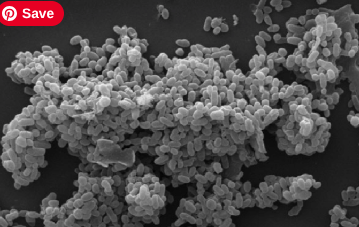
Meet Akkermansia muciniphila.

This remarkable species of gut bacteria has become one of the most studied microorganisms in nutritional science over the past decade. Unlike many gut bacteria that live on the food you digest, Akkermansia lives on the mucin layer — the protective lining of your intestinal wall. In doing so, it helps maintain the integrity of that lining, slowing the absorption of sugar into the bloodstream and protecting the gut from leaky gut syndrome, harmful pathogens, and chronic inflammation.

Research has consistently shown that people with higher levels of Akkermansia in their gut have better blood sugar control, lower rates of obesity, and reduced markers of metabolic disease. People with type 2 diabetes, on the other hand, tend to have significantly lower levels of this beneficial bacteria.

The question is: how do you support Akkermansia? The answer, as Dr. Terry Shintani explains, lies in feeding it the right nutrients — specifically ellagic acid, catechins, and tannins. These are plant compounds found in specific whole foods that Akkermansia thrives on.

Here are seven foods rich in these compounds that may help support blood sugar control and a healthier gut.

1. Berries

Berries — blueberries, strawberries, raspberries, and blackberries in particular — are among the richest sources of ellagic acid and other polyphenols that feed Akkermansia. They are also low on the glycemic index, meaning they raise blood sugar slowly and gently compared to other sweet foods. Regular berry consumption has been associated in research with improved insulin sensitivity, reduced inflammation, and better gut microbiome diversity. A handful of mixed berries daily is one of the simplest and most enjoyable upgrades to any anti-diabetic diet.

2. Pomegranate

Pomegranate is exceptionally high in ellagic acid — in fact, it is one of the densest food sources of this compound available. When ellagic acid is metabolized by gut bacteria, it produces urolithins, which have been shown to have powerful anti-inflammatory and cell-protective effects. Studies have found that pomegranate consumption can meaningfully reduce fasting blood sugar levels and improve insulin resistance in people with type 2 diabetes and prediabetes.

3. Green Tea

Green tea is one of the richest food sources of catechins — particularly EGCG (epigallocatechin gallate), which has been extensively studied for its effects on metabolism, blood sugar, and gut health. Catechins have been shown to directly support the growth of Akkermansia in the gut, as well as to improve insulin sensitivity and reduce post-meal blood sugar spikes. Drinking two to three cups of green tea daily is one of the most evidence-supported dietary habits for metabolic health.

4. Apples

The old saying about an apple a day has more scientific backing than most people realize. Apples are rich in both catechins and quercetin — two plant compounds with documented effects on gut bacteria and blood sugar regulation. The pectin fiber in apples also acts as a prebiotic, feeding beneficial bacteria including Akkermansia. Importantly, most of the beneficial compounds in apples are concentrated in the skin — so eating apples whole and unpeeled, preferably organic, provides the greatest benefit.

5. Nuts

Nuts — particularly walnuts, pecans, and almonds — are good sources of tannins and polyphenols that support a healthy gut microbiome. They also provide healthy fats, magnesium, and fiber that collectively support stable blood sugar. Research has shown that regular nut consumption is associated with lower fasting blood sugar levels and improved glycemic control in people with type 2 diabetes. A small handful of mixed nuts daily — unsalted and unroasted where possible — is an easy addition to an anti-diabetic eating pattern.

6. Legumes

Legumes — beans, lentils, chickpeas, and split peas — are among the most powerful blood-sugar-stabilizing foods available. They are rich in tannins, soluble fiber, and resistant starch, all of which slow glucose absorption, feed beneficial gut bacteria, and improve the gut’s overall microbial diversity. Studies have consistently shown that people who eat legumes regularly have better blood sugar control and lower rates of type 2 diabetes. The Peace Diet places legumes at the center of its nutritional approach for exactly this reason.

7. Dark Chocolate — The Surprise

Of all the foods on this list, dark chocolate is the one that most surprises people — but the science is real. High-quality dark chocolate (70% cacao or higher) is rich in flavanols, catechins, and tannins that have been shown to support the growth of beneficial gut bacteria including Akkermansia. It also contains magnesium and compounds that improve insulin sensitivity. The key is choosing chocolate with minimal added sugar and high cacao content — a small square of quality dark chocolate is genuinely a health-supportive food, not a guilty pleasure.

The Bigger Picture

What connects all seven of these foods is that they are rich in plant compounds — ellagic acid, catechins, and tannins — that feed the beneficial bacteria in your gut, particularly Akkermansia muciniphila. By supporting this bacteria, you are supporting the integrity of your gut lining, the stability of your blood sugar, and the overall health of your metabolic system.

This is one of the most exciting areas of nutritional science right now — the realization that blood sugar control is not just about what you eat, but about the health of the microbial community living inside you. And the best way to support that community is the same as it has always been: eat real, whole, plant-centered food.

Your gut bacteria have been waiting for you to feed them properly. These seven foods are a good place to start.


Dr. Terry Shintani is a Harvard-trained physician (MD, JD, MPH), a Living Treasure of Hawai’i, and the creator of the Waianae Diet and the Peace Diet. He continues to see patients at his Honolulu practice and shares daily health insights on YouTube.

🌿 Learn more at PeaceDiet.org | Watch the video: https://www.instagram.com/p/DaWu-SqzQsK/

Uncategorized

7 Superfoods That May Explain Why the Japanese Live the Longest

Posted on July 3, 2026July 3, 2026 By drshintani No Comments on 7 Superfoods That May Explain Why the Japanese Live the Longest

Japan has long fascinated researchers and health professionals for one simple reason: the Japanese consistently live longer than almost anyone else on earth. For decades, Okinawa — a small island prefecture in southern Japan — held the record for the highest concentration of centenarians in the world. Researchers studying this phenomenon coined the term “Blue Zone” to describe places where people routinely live past 100 in good health.

What is their secret?

While many factors contribute to Japanese longevity — strong social bonds, purposeful daily life, regular movement — the food stands out as particularly significant. Traditional Japanese cuisine is rich in specific plant foods and fermented ingredients that modern science is only now beginning to fully understand. Dr. Terry Shintani, a Harvard-trained nutritionist and physician who has spent decades studying traditional diets and their health effects, points to seven superfoods in particular that may help explain Japan’s extraordinary lifespan.

1. Konjac

Konjac is a plant root that has been consumed in Japan for over a thousand years, most commonly in the form of a gelatinous noodle or cake called konnyaku. It is one of the most fiber-dense foods in the world, containing a unique soluble fiber called glucomannan that expands dramatically in the stomach, creating a powerful sense of fullness with almost zero calories.

Glucomannan has been clinically shown to slow the absorption of glucose after meals — helping to stabilize blood sugar — and to reduce LDL cholesterol by binding to bile acids in the digestive tract. For a population with lower rates of obesity and diabetes than almost anywhere in the developed world, konjac may be a significant contributing factor.

2. Natto and Nattokinase

Natto is fermented soybeans — sticky, pungent, and an acquired taste for most Westerners, but a breakfast staple in many parts of Japan. Its health benefits are substantial. Natto is exceptionally high in vitamin K2, which plays a critical role in directing calcium to bones rather than arteries — potentially reducing cardiovascular calcification. It also contains nattokinase, a unique enzyme produced during the fermentation process that has been shown to help break down blood clots and support healthy circulation.

Research into nattokinase has expanded significantly in recent years, with studies suggesting it may help reduce blood pressure, prevent deep vein thrombosis, and even break down the spike proteins associated with certain viral infections. As a food source of this remarkable enzyme, natto is difficult to replicate with any supplement.

3. Shiitake Mushrooms

Shiitake mushrooms are one of the most studied medicinal foods in the world. They contain a unique polysaccharide called lentinan, which has been shown to stimulate immune function and has been used as an adjunct therapy in cancer treatment in Japan for decades. Shiitake also contains eritadenine, a compound that helps reduce cholesterol, and beta-glucans that support the immune system’s ability to identify and destroy abnormal cells.

Regular consumption of shiitake has been associated with reduced inflammation, improved cardiovascular markers, and enhanced immune surveillance — the body’s natural ability to detect and eliminate early-stage cancer cells before they develop into tumors.

4. Bitter Melon

Bitter melon — known in Japan as goya and particularly popular in Okinawa — is one of the most potent blood-sugar-regulating foods known to science. It contains at least three active compounds — charantin, vicine, and polypeptide-p — that work through insulin-like mechanisms to lower blood glucose. Studies have shown that bitter melon can meaningfully reduce fasting blood sugar levels and improve glucose tolerance in people with type 2 diabetes.

In Okinawa, goya champuru — a stir-fry of bitter melon, tofu, egg, and pork — is a daily staple. Given that Okinawa has historically had some of the lowest rates of diabetes in Japan, the regular consumption of bitter melon is almost certainly part of that picture.

5. Miso

Miso — fermented soybean paste — is the base of Japan’s most iconic dish: miso soup, consumed at virtually every meal in traditional Japanese households. As a fermented food, miso is rich in beneficial bacteria that support gut health and immune function. It also contains isoflavones — plant compounds that have been associated with reduced risk of certain hormone-dependent cancers, improved bone density, and cardiovascular protection.

Interestingly, despite being a salty food, studies on Japanese populations have not shown the expected blood pressure increases from miso consumption — possibly because the fermentation process and accompanying nutrients offset the sodium’s effects.

6. Green Tea (Matcha)

Japan’s relationship with green tea spans centuries, and the science behind it is compelling. Green tea is extraordinarily rich in catechins — particularly EGCG (epigallocatechin gallate) — one of the most potent antioxidants found in any food. EGCG has been shown to inhibit the growth of cancer cells in laboratory studies, reduce LDL oxidation, improve insulin sensitivity, and support fat metabolism.

Matcha, the powdered form of green tea used in Japanese tea ceremonies, contains dramatically higher concentrations of these compounds than steeped green tea, since the entire leaf is consumed. Regular green tea consumption has been associated in population studies with reduced rates of cardiovascular disease, type 2 diabetes, and certain cancers.

7. Seaweed

Seaweed — consumed in Japan in forms like nori, wakame, and kombu — is one of the most nutritionally dense foods on earth. It is exceptionally rich in iodine (supporting thyroid function), fucoidan (a compound with documented anti-cancer, anti-inflammatory, and antiviral properties), and a wide spectrum of minerals that are largely absent from land-grown produce.

Fucoidan in particular has attracted significant research attention for its apparent ability to trigger apoptosis — programmed cell death — in cancer cells, while leaving healthy cells unaffected. Japanese populations consume far more seaweed than any other country, and their correspondingly lower rates of certain cancers — particularly breast and prostate cancer — have led researchers to investigate seaweed as a contributing protective factor.

The Bigger Picture

What these seven foods have in common is that they are all traditional, minimally processed, whole foods that have been part of Japanese culture for centuries — long before anyone was studying them in laboratories. Their benefits are not the result of isolated compounds extracted and concentrated into pills. They come from eating real food, regularly, as part of a balanced dietary pattern.

This is precisely the philosophy behind the Peace Diet. The lesson from Japan is not to eat Japanese food specifically — it is to eat the way humans ate before food became an industrial product. Whole, fermented, plant-centered, and deeply connected to cultural tradition.

The Japanese didn’t set out to live to 100. They just ate well, moved their bodies, stayed connected to their communities, and let the food do its work.


Dr. Terry Shintani is a Harvard-trained physician (MD, JD, MPH), a Living Treasure of Hawai’i, and the creator of the Waianae Diet and the Peace Diet. He continues to see patients at his Honolulu practice and shares daily health insights on YouTube.

🌿 Learn more at PeaceDiet.org | Watch the video: https://www.instagram.com/p/DaUaLXaTyOo/

Uncategorized

7 Best Foods to Fight Arthritis and Pain Naturally

Posted on July 2, 2026July 2, 2026 By drshintani No Comments on 7 Best Foods to Fight Arthritis and Pain Naturally

Arthritis affects more than 54 million Americans — making it one of the most common causes of chronic pain and disability in the country. For many people, the first response is medication: anti-inflammatory drugs, pain relievers, and in more severe cases, disease-modifying agents that come with significant side effects and long-term risks.

But what if the most powerful anti-inflammatory medicine available isn’t in a bottle — it’s on your plate?

Dr. Terry Shintani has spent decades showing patients that food is one of the most direct levers we have over inflammation in the body. Chronic inflammation is the underlying driver of arthritis pain — and certain foods contain compounds that directly reduce that inflammatory response, sometimes as effectively as pharmaceutical options, and without the side effects.

Here are seven of the best foods to fight arthritis and pain naturally.

1. Cranberries

Cranberries are packed with polyphenols and antioxidants — compounds that actively neutralize the free radicals that trigger and sustain inflammatory responses in the body. Research has shown that regular consumption of cranberry-derived compounds can reduce markers of systemic inflammation, including those associated with joint pain and swelling. Fresh cranberries, unsweetened cranberry juice, and dried cranberries (without added sugar) are all good options.

2. Pumpkin

Pumpkin is one of the richest plant sources of beta-carotene, a powerful antioxidant that the body converts to vitamin A. Vitamin A plays a critical role in regulating immune function and reducing inflammatory signaling. Pumpkin is also high in vitamin C and zinc, both of which support joint tissue repair and help modulate the immune response that drives arthritis flare-ups. Roasted pumpkin, pumpkin soup, and even canned pumpkin (plain, not pie filling) are all excellent additions to an anti-inflammatory diet.

3. Cinnamon

Cinnamon contains cinnamaldehyde and other bioactive compounds with well-documented anti-inflammatory and antioxidant properties. Studies have shown that cinnamon can inhibit certain inflammatory pathways in the body, and some research specifically links cinnamon consumption to reduced markers of inflammation in people with arthritis. A simple addition to oatmeal, smoothies, or warm drinks, cinnamon is one of the easiest anti-inflammatory upgrades to any daily routine.

4. Turmeric and Anti-Inflammatory Spices

Turmeric deserves special mention as perhaps the most studied natural anti-inflammatory food in the world. Its active compound, curcumin, has been shown in multiple clinical trials to reduce inflammation and pain in arthritis patients — in some studies, performing comparably to common anti-inflammatory medications. Black pepper significantly enhances curcumin absorption, so pairing turmeric with pepper in cooking amplifies its effect. Ginger, another powerful anti-inflammatory spice, works through similar mechanisms and pairs well with turmeric in teas, soups, and stir-fries.

5. Omega-3 Rich Foods

Omega-3 fatty acids are among the most well-researched nutrients for reducing joint inflammation. They work by shifting the body’s production of inflammatory compounds — called prostaglandins and leukotrienes — toward less inflammatory versions. Plant-based sources of omega-3 include flaxseed, chia seeds, hemp seeds, and walnuts. Fatty fish like salmon and sardines are also high in EPA and DHA, the most bioavailable forms of omega-3. For those following a plant-based diet, algae-based omega-3 supplements provide the same EPA and DHA without fish.

6. Almonds

Almonds are rich in vitamin E, a fat-soluble antioxidant that has been shown to reduce oxidative stress in joint tissue and may help slow the progression of arthritis. They also contain magnesium, which supports muscle relaxation and reduces the muscle tension that often accompanies chronic joint pain. A small handful of raw almonds daily provides a meaningful dose of these protective compounds without adding excessive calories.

7. Walnuts

Walnuts are the richest plant source of ALA omega-3 fatty acids, making them a particularly powerful addition to an anti-inflammatory eating pattern. They also contain polyphenols and ellagic acid — compounds that research has linked to reduced inflammatory markers and improved joint comfort. Regular walnut consumption has been associated with lower levels of C-reactive protein, one of the key blood markers of systemic inflammation.

The Bigger Picture

These seven foods work best not as isolated supplements but as part of a broader anti-inflammatory dietary pattern — one centered on whole, plant-based, minimally processed foods, with limited saturated fat, refined sugar, and processed carbohydrates. The Peace Diet, developed by Dr. Shintani over decades of clinical practice, provides exactly this kind of comprehensive nutritional foundation.

If you are currently taking medication for arthritis or chronic pain, talk to your doctor before making significant dietary changes — not because food is dangerous, but because a whole-food diet can reduce inflammation so effectively that medication dosages may need to be adjusted.

Pain is not inevitable. And for many people, the most powerful first step is simply changing what’s on the plate.


Dr. Terry Shintani is a Harvard-trained physician (MD, JD, MPH), a Living Treasure of Hawai’i, and the creator of the Waianae Diet and the Peace Diet. He continues to see patients at his Honolulu practice and shares daily health insights on YouTube.

🌿 Learn more at PeaceDiet.org | Watch the video: https://www.instagram.com/p/DaRxjinTRGR/

Uncategorized

Got Prediabetes? This Ancient Herb May Cut Your Risk of Diabetes by 76%

Posted on July 1, 2026July 1, 2026 By drshintani No Comments on Got Prediabetes? This Ancient Herb May Cut Your Risk of Diabetes by 76%

If you have been told your blood sugar is higher than normal — but not yet high enough to be called diabetes — you are not alone. More than 96 million American adults have prediabetes, and the vast majority don’t even know it. Left unaddressed, prediabetes progresses to type 2 diabetes in a significant number of cases, bringing with it a cascade of serious health complications: heart disease, kidney failure, nerve damage, and vision loss.

But here is what most people are never told at the doctor’s office: prediabetes is not a one-way door. The progression from prediabetes to diabetes is not inevitable. And one of the most compelling natural tools available for reversing that trajectory has been used in traditional medicine for thousands of years.

It is called fenugreek — and modern science is now confirming what ancient healers long knew.

What Is Fenugreek?

Fenugreek is an herb and spice that has been cultivated and used medicinally across India, the Middle East, and North Africa for centuries. Its seeds are rich in soluble fiber, plant protein, and a unique amino acid called 4-hydroxyisoleucine, which researchers believe plays a significant role in regulating insulin secretion and improving the body’s sensitivity to insulin.

In traditional Ayurvedic and Middle Eastern medicine, fenugreek has long been used to support digestion, reduce inflammation, and — notably — manage blood sugar. What is remarkable is how precisely modern clinical research is now validating these traditional uses.

The Science: A 76% Reduction in Diabetes Risk

One of the most striking studies on fenugreek and prediabetes followed participants over several years, comparing those who took fenugreek supplements with those who did not. The results were significant: those who took fenugreek reduced their risk of progressing from prediabetes to full type 2 diabetes by approximately 76%.

That is not a modest effect. For context, some of the most widely prescribed medications for prediabetes show risk reductions in the range of 30–50%. Fenugreek, a natural seed that has been available in kitchens and herb markets for millennia, outperformed those numbers in clinical trials.

Beyond blood sugar, the research also showed that fenugreek helped reduce LDL cholesterol — the so-called “bad” cholesterol that accumulates in artery walls and contributes to heart disease. Since people with prediabetes are already at elevated cardiovascular risk, this dual benefit makes fenugreek particularly valuable.

How Fenugreek Works

Researchers believe fenugreek works through several complementary mechanisms:

Its high soluble fiber content slows the absorption of carbohydrates in the digestive tract, preventing the sharp post-meal blood sugar spikes that stress the pancreas and accelerate the progression toward diabetes.

The unique amino acid 4-hydroxyisoleucine appears to directly stimulate insulin secretion from the pancreas in a glucose-dependent way — meaning it helps the body produce more insulin when blood sugar is high, without causing dangerous drops when blood sugar is normal.

Additionally, fenugreek’s anti-inflammatory properties may help protect the beta cells of the pancreas — the cells responsible for producing insulin — from the oxidative stress that contributes to their gradual decline in type 2 diabetes.

How to Use Fenugreek

Fenugreek is available in several forms — as a whole seed, a ground spice, a capsule supplement, or a tea. In culinary traditions across South Asia, fenugreek seeds are commonly soaked overnight in water and consumed in the morning, or ground into spice blends used in everyday cooking.

As with any supplement, it is important to discuss fenugreek with your physician before adding it to your routine, particularly if you are already taking medication for blood sugar or cholesterol. Dr. Shintani’s approach has always been to use natural interventions as part of a comprehensive lifestyle program — not as a replacement for good diet and physical activity, but as a powerful complement to them.

The Bigger Picture

Fenugreek is one of many natural tools that Dr. Shintani has incorporated into his integrative approach to preventing and reversing chronic disease. The Peace Diet — centered on whole, plant-based, low-fat, low-glycemic foods — addresses the root causes of prediabetes and type 2 diabetes more comprehensively than any single herb or supplement can.

But the evidence for fenugreek is strong enough, and the safety profile favorable enough, that it deserves a place in the conversation — particularly for the tens of millions of people who are watching their blood sugar climb and wondering what they can do before it becomes a diagnosis.

Prediabetes is a warning, not a verdict. The body has a remarkable capacity to heal when given the right support.


Dr. Terry Shintani is a Harvard-trained physician (MD, JD, MPH), a Living Treasure of Hawai’i, and the creator of the Waianae Diet and the Peace Diet. He continues to see patients at his Honolulu practice and shares daily health insights on YouTube.

🌿 Learn more at PeaceDiet.org | Watch the video: IG link here

Uncategorized

9 Ways to Help Control Blood Pressure by Reducing Hardening of the Arteries

Posted on June 30, 2026June 30, 2026 By drshintani No Comments on 9 Ways to Help Control Blood Pressure by Reducing Hardening of the Arteries

High blood pressure is often treated as a single problem with a single solution: take medication, lower the number. But blood pressure is rarely just one thing. In many cases, it is a downstream symptom of a deeper process happening inside the arteries themselves — a process called atherosclerosis, or the hardening and narrowing of artery walls.

When arteries lose their natural flexibility and become stiff or partially blocked, the heart has to work harder to push blood through them. That extra resistance shows up on the blood pressure cuff. Treating the number without addressing what’s happening inside the arteries is like turning down a smoke alarm without putting out the fire.

The encouraging news is that atherosclerosis is not a one-way street. Many of the same lifestyle changes that prevent it can also help reverse it. Here are nine ways to protect your arteries and support healthier blood pressure naturally.

1. Lower LDL cholesterol.
LDL, often called “bad” cholesterol, is one of the primary materials that builds up in artery walls, narrowing the space available for blood flow. Reducing saturated fat and dietary cholesterol — found mainly in animal products — is one of the most effective ways to bring LDL down.

2. Raise HDL cholesterol.
HDL, the “good” cholesterol, actually helps clear excess cholesterol out of the bloodstream. Regular physical activity is one of the few interventions known to meaningfully raise HDL levels, even when it doesn’t significantly change total cholesterol.

3. Reduce chronic inflammation.
Inflammation is a key driver of arterial damage. It is what transforms cholesterol deposits into the unstable plaques that can rupture and cause heart attacks or strokes. A diet rich in whole plant foods — vegetables, fruits, legumes, and whole grains — naturally reduces systemic inflammation.

4. Watch your homocysteine levels.
Homocysteine is an amino acid that, at elevated levels, has been linked to damage of the inner lining of blood vessels. Adequate intake of B vitamins, particularly folate, B6, and B12, helps the body metabolize homocysteine properly and keep levels in a healthy range.

5. Be mindful of tyramine.
Tyramine is a compound found in certain aged, fermented, and processed foods that can cause blood pressure spikes in sensitive individuals. Reducing reliance on processed and aged products supports more stable blood pressure throughout the day.

6. Limit trimethylamine N-oxide (TMAO).
TMAO is a compound produced by gut bacteria when digesting certain nutrients commonly found in red meat and other animal products. Elevated TMAO has been associated with increased cardiovascular risk. A more plant-centered diet naturally reduces the body’s TMAO production.

7. Move your body regularly.
Exercise does more than burn calories. It improves the flexibility of blood vessel walls, supports healthy circulation, and helps regulate blood pressure directly. Even moderate daily movement — walking, light cardio, or simply staying active — makes a meaningful difference over time.

8. Eat a high-fiber diet.
Fiber helps bind and remove excess cholesterol through digestion before it has the chance to enter the bloodstream. Whole grains, legumes, vegetables, and fruits are all excellent sources of the soluble fiber that supports healthy cholesterol and blood pressure levels.

9. Reduce overall dietary fat, especially saturated fat.
Lowering total fat intake, particularly from animal sources, reduces the raw materials available for arterial plaque formation. This is one of the central principles behind the traditional, whole-food approach to eating that Dr. Shintani has taught for decades.

The Bigger Picture

None of these nine factors work in isolation. They are interconnected pieces of the same underlying picture: an artery wall that is either being protected or being damaged by the food, movement, and lifestyle choices made every day.

The medications used to manage blood pressure are valuable tools, particularly when blood pressure is dangerously high. But for many people, addressing these nine factors through diet and lifestyle can meaningfully reduce the burden on the arteries — and in some cases, reduce the need for medication altogether.

Your arteries are not fixed for life. They respond, every day, to what you do for them.


Dr. Terry Shintani is a Harvard-trained physician (MD, JD, MPH), a Living Treasure of Hawai’i, and the creator of the Waianae Diet and the Peace Diet. He continues to see patients at his Honolulu practice and shares daily health insights on YouTube.

🌿 Learn more at PeaceDiet.org | Watch the video: https://www.instagram.com/p/DaNSGzUTrA4/

Uncategorized

Does Internet Use Help or Hurt Your Brain? The Surprising Answer

Posted on June 29, 2026June 29, 2026 By drshintani No Comments on Does Internet Use Help or Hurt Your Brain? The Surprising Answer

For years, the conversation around screen time and brain health has leaned in one direction: too much time online is bad for you. It shortens attention spans, disrupts sleep, increases anxiety, and pulls us away from the meaningful human connection our minds need to stay sharp.

But a growing body of research is complicating that picture — and the findings may surprise you.

Studies suggest that regular Internet use, particularly among older adults, may actually reduce the risk of dementia by as much as half. That is not a small effect. That is one of the most significant protective factors researchers have found outside of diet and exercise.

So what is going on?

The Brain Needs a Workout Too

The human brain is remarkable in its adaptability. It responds to challenge, stimulation, and novelty by forming new neural connections — a process called neuroplasticity. When the brain is regularly challenged, it builds what researchers call cognitive reserve: a kind of mental buffer that helps it withstand the damage that aging and disease can cause.

For decades, we have known that activities like reading, learning a new language, playing chess, or doing crossword puzzles help build this reserve. What researchers are now finding is that navigating the Internet — searching for information, reading articles, following links, engaging in online communities — activates many of the same cognitive processes.

In fact, a landmark study published in the American Journal of Geriatric Psychiatry found that adults who regularly used the Internet showed significantly higher levels of brain activation in regions associated with decision-making and complex reasoning compared to non-users. The brain, it turns out, treats browsing the web as a form of mental exercise.

The Key Word Is “Regular”

Not all Internet use is created equal. Passively scrolling through social media feeds or watching videos for hours is very different from actively searching, reading, engaging, and learning online. The protective effect researchers have identified is associated with purposeful, engaged Internet use — the kind that requires the brain to process, evaluate, and respond to information.

Dr. Terry Shintani has long emphasized that brain health is not a single intervention but a lifestyle — a combination of good nutrition, physical activity, social connection, spiritual practice, and mental engagement. Regular, purposeful Internet use fits naturally into that last category.

What This Means for Older Adults Especially

The findings are particularly significant for older adults who may have been discouraged from spending time online or who feel intimidated by technology. For this group, learning to navigate the Internet is not just a convenience — it may be one of the most valuable cognitive exercises available.

Every time an older adult searches for health information, reads a news article, video calls a grandchild, or participates in an online community, they are doing something meaningful for their brain. The technology that many assume is harmful may, when used with intention, be quietly protecting the very cognitive function they most want to preserve.

The Bigger Picture

This does not mean the concerns about screen time are unfounded. Excessive passive consumption, social media comparison, sleep disruption from blue light exposure, and reduced face-to-face interaction are all real risks. Balance, as always, is the key.

But the emerging research invites us to replace a blanket fear of technology with something more nuanced: curiosity about how we use it. The Internet, like food, is not simply good or bad. It depends entirely on what you choose and how you engage with it.

Use it actively. Use it purposefully. Use it to learn, connect, and explore.

Your brain will thank you for it.


Dr. Terry Shintani is a Harvard-trained physician (MD, JD, MPH), a Living Treasure of Hawai’i, and the creator of the Waianae Diet and the Peace Diet. He continues to see patients at his Honolulu practice and shares daily health insights on YouTube.

🌿 Learn more at PeaceDiet.org | Watch the video: https://www.instagram.com/p/DaKGIxRTzuo/

Uncategorized

The Most Common Liver Disease in America — And How to Reverse It Naturally

Posted on June 28, 2026June 28, 2026 By drshintani No Comments on The Most Common Liver Disease in America — And How to Reverse It Naturally

Most people don’t think about their liver until something goes wrong. But right now, without any symptoms, without any warning, an estimated one in three Americans is living with a condition called non-alcoholic fatty liver disease — or NAFLD.

It is the most common liver disease in the United States. And in the vast majority of cases, it has nothing to do with alcohol. It has everything to do with what we eat.

What Is Fatty Liver Disease?

The liver is one of the hardest-working organs in the body. It filters toxins, regulates blood sugar, produces bile for digestion, and processes the fats and proteins we consume. When the liver is overwhelmed by excess fat — particularly from a diet high in processed foods, refined carbohydrates, and animal products — it begins storing that fat within its own cells.

Over time, this buildup causes inflammation, scarring, and in serious cases, liver failure. What starts as a silent condition can progress quietly for years before symptoms appear. By then, significant damage may already be done.

The troubling reality is that NAFLD has become an epidemic alongside the obesity and diabetes crisis in America. They share the same root cause: a modern diet that the human body was never designed to handle.

The Good News — Food Can Reverse It

Here is what Dr. Terry Shintani has observed over decades of clinical practice: the same dietary approach that reverses obesity, lowers blood sugar, and reduces heart disease risk also works powerfully on fatty liver disease.

The key is a three-part dietary shift:

1. Go low fat. Excess dietary fat — particularly saturated fat from animal products — is one of the primary drivers of fat accumulation in the liver. Reducing fat intake, especially from meat, dairy, and processed oils, gives the liver the chance to clear the fat it has already stored.

2. Go low glycemic. Refined carbohydrates and sugar spike blood glucose rapidly, triggering an insulin response that directs the body to store excess energy as fat — including in the liver. Choosing whole, unprocessed carbohydrates (brown rice, oats, sweet potato, legumes) instead of white flour and sugar keeps blood sugar stable and reduces the liver’s fat load.

3. Reduce animal products. A diet centered on whole plant foods — vegetables, legumes, whole grains, and fruit — is naturally lower in the saturated fats and dietary cholesterol that burden the liver. Plant-based eating has been shown repeatedly to support liver enzyme normalization and reduce liver fat over time.

Weight Loss Is the Lever

One of the most consistent findings in fatty liver research is that even modest weight loss — as little as five to ten percent of body weight — can significantly reduce liver fat and improve liver enzyme levels. The Peace Diet approach, which allows people to eat more food while naturally consuming fewer calories through calorie dilution, creates exactly this kind of sustainable, effortless weight loss without hunger or deprivation.

Many of Dr. Shintani’s patients have seen their liver enzymes normalize within weeks of changing their diet — without any medication, without any surgery, and without counting a single calorie.

You May Not Have Symptoms — But Your Liver Still Needs Help

NAFLD is often called a silent disease because most people feel perfectly fine until the condition is advanced. If you have been told your liver enzymes are elevated, if you carry excess weight around your midsection, or if you have been diagnosed with pre-diabetes or type 2 diabetes, your liver may already be under stress.

The best time to act is before symptoms appear. And the most powerful tool available to you is sitting on your plate, three times a day.

Start with the Peace Diet. Your liver will thank you.


Dr. Terry Shintani is a Harvard-trained physician (MD, JD, MPH), a Living Treasure of Hawai’i, and the creator of the Waianae Diet and the Peace Diet. He continues to see patients at his Honolulu practice and shares daily health insights on YouTube.

🌿 Learn more and get started at PeaceDiet.org | Watch the full video: https://www.instagram.com/p/DaIRBaqTv35/

Uncategorized

Posts pagination

Previous 1 … 8 9 10 … 32 Next

About Dr. Shintani

Dr. Terry Shintani, MD, JD, MPH is a Board Certified Physician and Harvard-trained
nutritionist. His wellness program won a national award from the U.S. Secretary of
Health and Human Services and his peer-reviewed work is published in the American Journal of
Clinical Nutrition and several other scientific journals.  He also was featured in “Dateline NBC”,
CBS, “This Morning” CNN, Fox and  Newsweek  His Program is featured in the Encyclopedia
Britannica.  He has written 16 books including the Eat More Weigh Less(r) Diet, the Hawaii
Diet, the Carbohydrate revolution and the Peace Diet. Among his many community awards, He
was named a “Food Hero” by Eating Well Magazine, He was knighted by the Orthodox Order of
St. John, and formally designated a “Living Treasure” of Hawaii.

Read More

Search

  • Home
  • Blog
  • Join Us
  • PeaceDiet

Find Us

HAWAII HEALTH FOUNDATION

50 S.Beretania St. C-119B Honolulu, HI 96813

Email: mail@eHealthAndYou.com

Age Calculator

image

Copyright © 2026 Dr.Shintani.

Powered by PressBook WordPress theme

  • facebook
  • instagram
  • youtube
  • tiktok