
Skip to content
  • About
  • Blog
  • Testimonials
  • Join Us
  • Freebies
  • Contact
  • Social Media
  • PeaceDiet
  • Books
  • Age Calculator
Dr.Shintani

Dr.Shintani

Terry

Blog

3 Nutrients Shown in Research to Help Treat the Common Cold

Posted on July 29, 2026July 29, 2026 By drshintani No Comments on 3 Nutrients Shown in Research to Help Treat the Common Cold

There’s still no outright cure for the common cold — but research has identified a few nutrients that may help reduce its duration and severity. With cold and flu season peaking between December and February, it’s worth knowing what the science says. Here are three nutrients that have shown promise.

1. Vitamin C
Research has long suggested that vitamin C can reduce both the duration and severity of cold symptoms. A typical studied dosage is 1,000–2,000 mg per day.

2. Zinc
Zinc can interfere with the replication of most cold viruses. Zinc lozenges or pills, when taken within 24 hours of symptom onset, may reduce both the duration and severity of a cold. A commonly studied dosage is 50 mg, taken one to three times a day.

3. Quercetin
Quercetin gained attention as an ionophore used alongside zinc during COVID-19. Research suggests it also inhibits the replication of common cold viruses and works synergistically with zinc.

As always, check with your doctor to determine whether these remedies are appropriate for you. Dr. Shintani will be sharing future posts on herbal approaches to the common cold as well.

For more natural health strategies, download the free eBook Health Secrets at club120.shintanimd.com.

About Dr. Terry Shintani, MD, JD, MPH

Dr. Terry Shintani is a Harvard-trained physician and nutritionist, named a Living Treasure of Hawai’i and recipient of the U.S. Secretary of Health and Human Services Award for Excellence. He is the creator of the Peace Diet and the landmark Waianae Diet — published in the American Journal of Clinical Nutrition and cited over 137 times — and the author of 16 books on natural health and nutrition, drawing on more than 35 years of clinical practice in Honolulu, Hawaii.

Learn more about Dr. Shintani’s work and recognition: NLM Native Voices

Sources:

  • NIH/NCCIH — Vitamin C and the Common Cold
  • PubMed — Zinc Lozenges and Duration of Common Cold Symptoms
  • PubMed — Quercetin as a Zinc Ionophore: Antiviral Mechanisms
Uncategorized

7 Ways to Optimize Your Secret Health Ally: Your Gut Microbiome

Posted on July 28, 2026July 28, 2026 By drshintani No Comments on 7 Ways to Optimize Your Secret Health Ally: Your Gut Microbiome

You have a secret health ally living inside you — trillions of microbes that do far more than aid digestion. Your gut microbiome produces neurotransmitters, supports brain function, boosts immune health, improves insulin sensitivity, and even plays a role in weight management. Here are seven simple ways to optimize it.

1. Eat More Fiber
Fruits, vegetables, legumes, and whole grains feed the beneficial bacteria in your gut, helping them thrive and multiply.

2. Include Fermented Foods
Kimchi, sauerkraut, pickles, and miso are natural sources of live probiotics that directly support a healthy microbiome.

3. Enjoy Prebiotic Foods
Garlic, onions, blueberries, and bananas provide the nourishment beneficial bacteria need to flourish.

4. Stay Hydrated
Drinking plenty of water helps support an environment where healthy gut bacteria can thrive.

5. Limit Processed Foods and Sugar
These can be harmful to the gut microbiome and disrupt the balance of beneficial bacteria.

6. Exercise Regularly
Physical activity has been shown to promote a more balanced and diverse microbiome.

7. Use Antibiotics Cautiously
Limit antibiotic use when possible, and pair any necessary antibiotic course with probiotics to help protect gut flora.

Optimizing your microbiome is one of the simplest, most foundational steps you can take for whole-body health — from digestion to brain function to blood sugar control.

For more natural health strategies, download the free eBook Health Secrets at club120.shintanimd.com.

About Dr. Terry Shintani, MD, JD, MPH

Dr. Terry Shintani is a Harvard-trained physician and nutritionist, named a Living Treasure of Hawai’i and recipient of the U.S. Secretary of Health and Human Services Award for Excellence. He is the creator of the Peace Diet and the landmark Waianae Diet — published in the American Journal of Clinical Nutrition and cited over 137 times — and the author of 16 books on natural health and nutrition, drawing on more than 35 years of clinical practice in Honolulu, Hawaii.

Learn more about Dr. Shintani’s work and recognition: NLM Native Voices

Sources:

  • NIH — The Human Microbiome and Health
  • PubMed — Gut Microbiota, Insulin Sensitivity, and Metabolic Health
  • CDC — Gut Health and Chronic Disease Prevention
Uncategorized

6 Foods to Avoid to Help Control Inflammation, Pain, and Autoimmune Disease

Posted on July 26, 2026July 26, 2026 By drshintani No Comments on 6 Foods to Avoid to Help Control Inflammation, Pain, and Autoimmune Disease

Managing inflammation isn’t only about what you add to your diet — it’s also about what you take away. For over 30 years, Dr. Terry Shintani has helped patients naturally reduce inflammatory and autoimmune symptoms, including osteoarthritis, rheumatoid arthritis, psoriasis, ulcerative colitis, and chronic headaches. Here are six foods worth reducing.

1. Processed Meats
Processed meats are high in saturated fat and produce TMAO (trimethylamine N-oxide), a compound linked to increased inflammation in the body.

2. Added Sugar and Processed Carbs
Foods and beverages high in added sugar elevate blood sugar, which in turn promotes inflammatory activity.

3. Dairy
The saturated fat in dairy can promote inflammation, and dairy protein triggers an inflammatory response in many people who are sensitive to it.

4. Fried Foods
Frying produces advanced glycation end-products (AGEs) and increases trans fat — both of which are associated with higher inflammation.

5. Charbroiled Foods
Burning or charring meat produces polycyclic aromatic hydrocarbons, compounds known to promote inflammation.

6. Omega-6 Oils
Found in seed oils, meat, and chicken, excess omega-6 fatty acids serve as a precursor to inflammatory prostaglandins in the body.

This pairs naturally with Dr. Shintani’s earlier post on the 8 proactive steps to control inflammation, chronic pain, and autoimmune disease — together offering a fuller picture of what to add and what to avoid.

For a full list of 10 supplements to help manage chronic inflammation, download the free eBook Health Secrets at club120.shintanimd.com.

About Dr. Terry Shintani, MD, JD, MPH

Dr. Terry Shintani is a Harvard-trained physician and nutritionist, named a Living Treasure of Hawai’i and recipient of the U.S. Secretary of Health and Human Services Award for Excellence. He is the creator of the Peace Diet and the landmark Waianae Diet — published in the American Journal of Clinical Nutrition and cited over 137 times — and the author of 16 books on natural health and nutrition, drawing on more than 35 years of clinical practice in Honolulu, Hawaii.

Learn more about Dr. Shintani’s work and recognition: NLM Native Voices

Sources:

  • NIH/PubMed — TMAO and Cardiovascular/Inflammatory Risk
  • CDC — Chronic Inflammation and Disease
  • NIH — Advanced Glycation End Products and Health
Uncategorized

7 Ways to Relax the Heart and Help Control Blood Pressure

Posted on July 25, 2026July 25, 2026 By drshintani No Comments on 7 Ways to Relax the Heart and Help Control Blood Pressure

Blood pressure isn’t only about how relaxed or stiff your blood vessels are — it’s also about how hard your heart is working with every beat. When the heart contracts too forcefully, often driven by stress hormones like adrenaline and cortisol, blood pressure rises even if the vessels themselves are healthy.

Reducing the intensity of heart contraction is one of several natural strategies for supporting healthy blood pressure. Here are seven ways to do it.

1. Reduce Stress
Chronic stress keeps adrenaline and cortisol elevated, both of which push the heart to pump harder and faster. Lowering baseline stress reduces the hormonal signals driving stronger contractions.

2. Prioritize Good Sleep
Sleep is the foundation of stress regulation. Poor sleep keeps the nervous system in a heightened state, which can elevate blood pressure over time.

3. Practice Meditation
Meditation helps modify how the brain signals the heart, encouraging a calmer, steadier rhythm rather than a forceful one.

4. Exercise Regularly
Physical activity burns off excess adrenaline, helping the body clear the very hormone that drives harder heart contractions.

5. Limit High-Tyramine Foods
Aged cheese, processed meats, and alcoholic beverages are high in tyramine, a compound that can trigger adrenaline release. Cutting back can help ease the heart’s workload.

6. Avoid Stimulants
Nicotine and decongestants both stimulate the nervous system and can intensify heart contraction. Avoiding them supports a calmer cardiovascular response.

7. Consider Stress-Reduction Supplements
Certain natural supplements may support the body’s stress response. Dr. Shintani outlines his recommendations in his free eBook, Health Secrets.

This is part of an ongoing series — Dr. Shintani has also covered relaxing blood vessels and reducing arterial hardening as two other natural approaches to healthy blood pressure.

For more strategies, download the free eBook Health Secrets at club120.shintanimd.com.

Learn more about Dr. Terry Shintani’s work and recognition: NLM Native Voices

Sources:

  • National Institutes of Health — Stress and High Blood Pressure
  • PubMed — Cortisol, Adrenaline, and Cardiovascular Function
  • CDC — High Blood Pressure Facts

About Dr. Terry Shintani, MD, JD, MPH

Dr. Terry Shintani is a Harvard-trained physician and nutritionist, named a Living Treasure of Hawai’i and recipient of the U.S. Secretary of Health and Human Services Award for Excellence. He is the creator of the Peace Diet and the landmark Waianae Diet — published in the American Journal of Clinical Nutrition and cited over 137 times — and the author of 16 books on natural health and nutrition, drawing on more than 35 years of clinical practice in Honolulu, Hawaii.

Uncategorized

This Simple Food Is Associated With an 18% Lower Risk of Heart Attacks and Strokes

Posted on July 23, 2026July 23, 2026 By drshintani No Comments on This Simple Food Is Associated With an 18% Lower Risk of Heart Attacks and Strokes

Heart disease remains the leading cause of death in the United States — and globally. Despite decades of medical advances, cardiovascular events including heart attacks and strokes continue to claim more lives than any other condition. The search for effective, accessible preventive strategies remains one of the most important frontiers in medicine.

Against that backdrop, a finding from nutritional research stands out for its simplicity and its significance: consuming soy foods at least once a week is associated with an 18% lower risk of developing cardiovascular disease.

Not a pharmaceutical intervention. Not a complex protocol. A simple, widely available, affordable food — consumed regularly — associated with nearly a fifth reduction in the risk of the world’s most common killer.

What the Research Shows

A study examining the relationship between soy food consumption and cardiovascular outcomes found that participants who ate soy foods — including tofu, edamame, miso, and tempeh — at least once a week had an 18% lower risk of developing cardiovascular disease, including heart attacks and strokes, compared to those who rarely or never consumed these foods.

This finding is consistent with a broader body of research spanning decades and multiple populations — particularly in Asian countries where soy foods have been dietary staples for centuries, and where rates of cardiovascular disease have historically been significantly lower than in Western populations eating animal-protein-centered diets.

The consistency of this association across different study designs, populations, and time periods gives it meaningful credibility — and points toward a real biological mechanism rather than a statistical coincidence.

Why Soy Foods Protect the Heart — The Isoflavone Connection

Researchers believe the cardiovascular protective effects of soy are primarily due to their isoflavone content. Isoflavones are a class of plant compounds — sometimes called phytoestrogens because of their structural similarity to the hormone estrogen — found almost exclusively in soy and a small number of other legumes.

Isoflavones have been shown in clinical research to exert several complementary effects that directly support cardiovascular health:

Antioxidant effects. Isoflavones neutralize free radicals — unstable molecules that damage the cells lining blood vessel walls, triggering the inflammatory cascade that leads to arterial plaque formation and ultimately to heart attacks and strokes. By reducing oxidative stress in arterial tissue, isoflavones help preserve the integrity of the vascular system.

Anti-inflammatory effects. Chronic low-grade inflammation is now recognized as a central driver of atherosclerosis — the progressive narrowing and hardening of arteries that underlies most cardiovascular events. Isoflavones inhibit several of the inflammatory signaling pathways involved in this process, helping to keep arterial walls healthy and responsive.

Cholesterol improvement. Multiple clinical trials have shown that regular soy consumption meaningfully reduces LDL cholesterol — the “bad” cholesterol that accumulates in arterial walls — and increases HDL cholesterol, which helps clear excess cholesterol from the bloodstream. The FDA has formally recognized the cholesterol-lowering effects of soy protein, approving a health claim for soy foods and reduced heart disease risk.

Triglyceride reduction. Elevated triglycerides — a type of fat in the bloodstream — are an independent risk factor for cardiovascular disease. Soy isoflavones have been shown to reduce triglyceride levels, complementing their effects on cholesterol and contributing to an overall improvement in the cardiovascular risk profile.

Soy Foods in the Peace Diet

The cardiovascular benefits of soy align perfectly with the Peace Diet philosophy that Dr. Shintani has championed for over three decades. The Peace Diet emphasizes whole, plant-centered foods that address the root causes of chronic disease — and soy foods, with their unique combination of complete protein, isoflavones, fiber, and healthy fats, represent one of the most nutritionally complete plant protein sources available.

In traditional Hawaiian, Japanese, Chinese, and Korean cuisines — all of which Dr. Shintani draws on in developing the Peace Diet — soy-based foods have been central to the diet for centuries. Miso soup at breakfast, tofu in stir-fries and soups, edamame as a snack, tempeh as a meat substitute — these are not exotic health foods. They are everyday staples with centuries of cultural validation and now decades of clinical research behind them.

How to Add More Soy to Your Diet

The research suggests that consuming soy foods at least once a week is associated with meaningful cardiovascular benefit — a threshold that is easily achievable with very little dietary disruption:

Tofu — perhaps the most versatile soy food, tofu can be scrambled, grilled, baked, added to soups, stir-fried, or blended into smoothies. Firm tofu works well in savory dishes; silken tofu works in smoothies and desserts. It absorbs the flavor of whatever it is cooked with, making it extraordinarily adaptable to any cuisine.

Edamame — young soybeans, typically served steamed in their pods with a pinch of salt. One of the simplest and most satisfying plant-based snacks available, edamame provides complete protein, fiber, and a significant dose of isoflavones in a form that requires almost no preparation.

Miso — fermented soybean paste, the base of Japan’s iconic miso soup. Beyond soup, miso can be used as a marinade, a salad dressing base, or a flavor enhancer in sauces and gravies. As a fermented food, it also provides probiotic benefits that support gut health alongside its cardiovascular benefits.

Tempeh — fermented whole soybeans pressed into a firm cake. Higher in protein than tofu and with a heartier, nuttier flavor, tempeh can be sliced and pan-fried, crumbled into sauces, or used as a meat substitute in virtually any recipe. The fermentation process also makes its nutrients more bioavailable.

Soy milk — a simple swap for dairy milk in coffee, oatmeal, or baking, unsweetened soy milk provides isoflavones and complete protein without the saturated fat and cholesterol of dairy.

A Note on Soy Safety

Concerns about soy — particularly around its phytoestrogen content and potential hormonal effects — have been widely circulated but are not supported by the preponderance of clinical evidence. The isoflavones in soy do not behave like synthetic estrogen in the body, and decades of research in populations consuming soy as a dietary staple have not shown adverse hormonal effects in men or women at typical food intake levels.

As with all foods, moderation and variety matter. Whole soy foods — tofu, edamame, miso, tempeh — are preferable to highly processed soy protein isolates found in some protein bars and supplements. The cardiovascular benefits documented in research are associated with whole soy foods, not with processed soy derivatives.

The Bottom Line

An 18% reduction in cardiovascular disease risk from eating tofu once a week is a finding worth paying attention to. It is not a cure, and it does not replace the broader dietary and lifestyle changes that form the foundation of cardiovascular health. But it is a meaningful, accessible, evidence-based step that virtually anyone can take — regardless of cooking skill, budget, or culinary background.

Add tofu to your stir-fry. Snack on edamame. Start your morning with miso soup. These small, sustainable habits — multiplied across years and decades — may add up to exactly the kind of protection that research is now confirming.

Your heart will thank you.


Dr. Terry Shintani is a Harvard-trained physician (MD, JD, MPH), a Living Treasure of Hawai’i, and the creator of the Waianae Diet and the Peace Diet. He continues to see patients at his Honolulu practice and shares daily health insights on YouTube.

🌿 Learn more at PeaceDiet.org | Watch the video: https://www.instagram.com/reel/DbH4pjtT8le/

Uncategorized

Too Much of This May Cause Memory Loss — What Dr. Shintani Wants You to Know

Posted on July 20, 2026July 20, 2026 By drshintani No Comments on Too Much of This May Cause Memory Loss — What Dr. Shintani Wants You to Know

Memory loss is one of the most feared consequences of aging. The gradual erosion of the ability to recall names, dates, and familiar faces — and the deeper fear of what that erosion might eventually become — drives millions of people to seek solutions in supplements, brain training apps, and pharmaceutical interventions.

But what if one of the most significant contributors to memory loss was something hiding in plain sight on the dinner plate?

Dr. Terry Shintani has been following the emerging research on diet and cognitive health for decades. And a growing body of evidence is pointing to a specific dietary compound — one that most people consume in significant quantities every day — as a previously underappreciated contributor to cognitive decline and memory loss.

That compound is methionine.

What Is Methionine?

Methionine is an essential amino acid — meaning the body cannot produce it and must obtain it from food. It plays important roles in numerous biological processes, including protein synthesis, cellular metabolism, and the production of certain neurotransmitters. In moderate amounts, it is necessary for health.

But the modern Western diet — heavy in animal proteins including meat, poultry, eggs, and dairy — delivers methionine in quantities that may far exceed what the body can safely process. And the consequences, as research is increasingly revealing, extend beyond the cardiovascular and cancer risks that have been documented for years.

The Link to Cancer and Heart Disease

The connection between high methionine intake and increased cancer risk has been recognized in the scientific literature for some time. Cancer cells have an unusually high demand for methionine — they appear to depend on it for rapid cell division and growth in a way that normal cells do not. Diets high in methionine provide cancer cells with precisely the fuel they need to proliferate.

Similarly, high methionine intake contributes to elevated levels of homocysteine — a metabolic byproduct of methionine metabolism that has been consistently associated with increased cardiovascular risk, arterial damage, and stroke. The connection between elevated homocysteine and heart disease has been documented in numerous large-scale epidemiological studies.

These risks alone would warrant attention to methionine intake. But the newest findings extend the concern to the brain.

The Memory Connection

In a striking recent study, researchers placed mice on a diet high in methionine for four weeks and then tested their ability to remember previously learned stimuli — essentially measuring their short-term memory and cognitive recall. The results were significant and concerning.

Mice on the high-methionine diet performed measurably worse on memory tasks than control mice on a standard diet. Their ability to recall previously encountered stimuli — a measure of the kind of associative memory that is among the first to decline in human cognitive impairment — was substantially reduced compared to their counterparts.

The proposed mechanism is particularly revealing. Methionine appears to block the receptors for a class of neuroprotective proteins — compounds that play a critical role in maintaining the health and function of neurons, supporting the formation of new neural connections, and preserving cognitive function as the brain ages. When these receptors are blocked, the brain loses access to some of its most important protective mechanisms.

The implications for human cognitive health are significant. While mouse studies do not always translate directly to human outcomes, this finding adds a neurological dimension to the already substantial evidence for reducing methionine intake — and it aligns with existing population research showing that plant-based dietary patterns, which naturally provide lower methionine, are consistently associated with better cognitive outcomes in aging populations.

Which Foods Are Highest in Methionine?

The foods with the highest methionine content are predominantly animal proteins:

  • Beef, pork, and lamb — among the highest sources of methionine per serving
  • Poultry — chicken and turkey are also high
  • Fish and seafood — particularly tuna, salmon, and shellfish
  • Eggs — particularly egg whites, which are very high in methionine
  • Dairy products — particularly hard cheeses and whey protein

Among plant foods, certain legumes — particularly soybeans and soy products — contain relatively higher methionine than other plant foods. However, the methionine content of plant proteins is generally significantly lower than that of animal proteins, which is one reason why plant-based dietary patterns are associated with lower methionine burden overall.

What This Means Practically

Dr. Shintani’s recommendation is not that methionine must be eliminated entirely — it is an essential amino acid, and the body requires it in appropriate amounts. The concern is with the excess that results from a diet centered on animal proteins, consumed multiple times daily in the quantities typical of Western eating patterns.

The practical guidance is straightforward: reduce reliance on animal proteins as the primary source of daily protein, replacing them with whole plant proteins — legumes (beans, lentils, chickpeas), whole grains, vegetables, nuts, and seeds — which provide adequate protein and methionine without the excess that appears to block neuroprotective mechanisms and accelerate cognitive decline.

This aligns precisely with the broader Peace Diet philosophy: a whole-food, plant-centered eating pattern that protects the heart, reduces cancer risk, and — as this emerging research suggests — may also preserve the cognitive function and memory that allow us to remain fully present in our own lives as we age.

The Bigger Picture

The brain is not separate from the body. The same dietary patterns that damage the heart, promote cancer, and accelerate metabolic disease also appear to affect the brain — through mechanisms including elevated homocysteine, vascular damage, neuroinflammation, and now, the blocking of neuroprotective proteins by excess methionine.

And the same dietary patterns that protect the heart and reduce cancer risk — whole foods, plant proteins, colorful vegetables, healthy fats, minimal processed and animal foods — also appear to protect the brain.

There is no separate “brain diet” and “heart diet” and “cancer prevention diet.” There is simply the diet that either supports the body’s full health — or undermines it.

Getting more forgetful? It may be worth taking a closer look at what is on the plate.


Dr. Terry Shintani is a Harvard-trained physician (MD, JD, MPH), a Living Treasure of Hawai’i, and the creator of the Waianae Diet and the Peace Diet. He continues to see patients at his Honolulu practice and shares daily health insights on YouTube.

🌿 Learn more at PeaceDiet.org | Watch the video: https://www.instagram.com/p/DbAIIVGTgT1/

📖 Also read — Does Internet Use Help or Hurt Your Brain?: https://drshintani.com/2026/06/29/does-internet-use-help-or-hurt-your-brain-the-surprising-answer/

Uncategorized

8 Steps to Control Inflammation, Chronic Pain, and Autoimmune Disease Naturally

Posted on July 19, 2026July 19, 2026 By drshintani No Comments on 8 Steps to Control Inflammation, Chronic Pain, and Autoimmune Disease Naturally

Inflammation is one of the most fundamental processes in the human body. In its acute form — the redness, swelling, and heat that follow an injury or infection — it is a critical survival mechanism, marshaling the immune system to repair damaged tissue and fight off pathogens.

But when inflammation becomes chronic — persisting for months or years, driven not by an active threat but by the accumulated effects of diet, environment, and lifestyle — it becomes one of the most destructive forces in modern medicine. Chronic inflammation is now recognized as a central driver of arthritis, heart disease, diabetes, cancer, and an ever-growing list of autoimmune conditions in which the immune system turns against the body’s own tissues.

Dr. Terry Shintani has been treating inflammatory and autoimmune conditions naturally for over 30 years. His patients include people dealing with chronic headaches, osteoarthritis, rheumatoid arthritis, psoriasis, ulcerative colitis, Crohn’s disease, and a range of other conditions rooted in chronic immune dysregulation. Over those decades, he has identified eight foundational steps that form the basis of a natural, comprehensive approach to controlling inflammation — documented in detail in his full-length book, The Peace Diet, available on Amazon.

Here are those eight steps.

1. Avoid Toxins, Chemicals, and Allergens

The first and perhaps most underappreciated step is reducing the body’s total toxic burden. Many common environmental exposures — artificial food ingredients, herbicide and pesticide residues on conventionally grown produce, cigarette smoke, and for some people, specific foods like dairy or even certain cosmetics and personal care products — can trigger or amplify inflammatory responses in susceptible individuals.

The immune system treats many of these substances as threats, mounting low-grade inflammatory responses that accumulate over time. For people with autoimmune conditions, where the immune system is already dysregulated, reducing this toxic load can meaningfully reduce the overall intensity of immune activation.

Practical steps include choosing organic produce where possible — particularly for the highest-pesticide crops — reading ingredient labels and avoiding artificial colors, preservatives, and flavor enhancers, switching to fragrance-free and chemical-minimal personal care products, and for those with suspected dairy sensitivity, eliminating dairy for a trial period to assess its impact on symptoms.

2. Limit or Avoid Animal Fat

Animal fat — particularly from conventionally raised livestock — has a unique property that makes it particularly problematic from an inflammatory standpoint: it bioconcentrates environmental toxins. Fat-soluble chemicals, including pesticides, herbicides, industrial pollutants, and certain hormones, accumulate in animal adipose tissue at levels many times higher than those found in the animals’ feed or environment.

When we consume animal fat, we consume a concentrated dose of these accumulated toxins — adding to the total toxic burden that the immune system must contend with. Additionally, saturated fat from animal sources has been shown to directly activate inflammatory pathways in the body, independent of the toxins it carries.

Reducing or eliminating animal fat — while replacing it with plant-based sources of healthy fat such as avocado, nuts, seeds, and olive oil — reduces both the toxin burden and the direct inflammatory stimulus that saturated animal fat provides.

3. Eat Plenty of Colorful Vegetables and Fruit

The vibrant colors of vegetables and fruit are not merely aesthetic — they are produced by thousands of different phytochemical compounds, most of which have significant antioxidant and anti-inflammatory properties. Carotenoids in orange and yellow vegetables, anthocyanins in blueberries and red cabbage, lycopene in tomatoes, sulforaphane in broccoli, quercetin in apples and onions — each of these compounds modulates inflammatory pathways in different and complementary ways.

Research consistently shows that people who consume the greatest variety and quantity of colorful plant foods have the lowest levels of systemic inflammatory markers — including C-reactive protein and interleukin-6 — regardless of other lifestyle factors. The goal is variety as much as quantity: eating across the color spectrum ensures exposure to the broadest possible range of anti-inflammatory phytochemicals.

Aim for at least five to seven servings of vegetables and fruit daily, prioritizing variety and color over any single “superfood.” Dark leafy greens, cruciferous vegetables, berries, citrus, and deeply pigmented vegetables like beets and purple cabbage are particularly valuable.

4. Limit Processed Carbohydrates and Sugar

Refined carbohydrates — white flour, white rice, and the products made from them — and added sugars are among the most potent dietary drivers of inflammation. They cause rapid spikes in blood sugar and insulin, trigger the production of inflammatory signaling molecules called cytokines, and feed the harmful gut bacteria that promote intestinal permeability and systemic immune activation.

The connection between sugar and autoimmune disease is particularly significant. Research has shown that high sugar intake disrupts the balance of the gut microbiome, reduces the populations of beneficial bacteria that regulate immune tolerance, and increases intestinal permeability — allowing bacterial fragments and undigested food particles to enter the bloodstream, where they trigger immune responses that can escalate into autoimmune attacks on the body’s own tissues.

Replacing processed carbohydrates with whole, unprocessed carbohydrates — brown rice, oats, sweet potato, legumes, and whole fruit — eliminates the blood sugar spikes and inflammatory signaling without sacrificing the energy and fiber that carbohydrates provide.

5. Eat More Foods Rich in Omega-3 Oils

Omega-3 fatty acids are the most well-researched dietary anti-inflammatory compounds available. They work by shifting the body’s production of signaling molecules called eicosanoids and resolvins away from pro-inflammatory varieties toward anti-inflammatory and inflammation-resolving ones — effectively changing the immune system’s default setting from inflammatory to regulatory.

The research on omega-3s and autoimmune disease is particularly compelling. Multiple clinical trials have shown that omega-3 supplementation reduces disease activity in rheumatoid arthritis, psoriasis, inflammatory bowel disease, and lupus — sometimes dramatically enough to reduce the need for pharmaceutical anti-inflammatory medications.

Plant sources of omega-3 include flaxseeds, chia seeds, hemp seeds, and walnuts. Fatty fish — salmon, sardines, mackerel, and anchovies — provide EPA and DHA, the most bioavailable forms. For those on plant-based diets, algae-based omega-3 supplements provide EPA and DHA directly, without fish-derived products.

6. Limit Omega-6 Oils — Especially Arachidonic Acid

While omega-3 fatty acids are anti-inflammatory, their biochemical cousins — omega-6 fatty acids — are largely pro-inflammatory. The balance between omega-3 and omega-6 in the diet has a profound effect on the body’s baseline inflammatory state.

The modern Western diet has an omega-6 to omega-3 ratio of approximately 15:1 to 20:1 — far from the 4:1 or lower ratio associated with optimal health in traditional diets. This imbalance is driven primarily by the widespread use of seed oils — corn oil, soybean oil, sunflower oil, and safflower oil — which are extremely high in omega-6 fatty acids, and by high consumption of meat and poultry, which contain arachidonic acid — an omega-6 that converts directly into highly pro-inflammatory compounds in the body.

Reducing consumption of these oils and of meat and poultry — while increasing omega-3 intake as described above — helps restore a more anti-inflammatory fatty acid balance throughout the body’s cell membranes and signaling systems.

7. Eat More High-Fiber Foods for Gut Health

The gut microbiome — the community of trillions of bacteria living in the digestive tract — plays a central and increasingly recognized role in regulating immune function and inflammation. Beneficial gut bacteria produce short-chain fatty acids and other compounds that directly modulate immune signaling, promote regulatory T-cell development, and maintain the integrity of the intestinal lining.

When the gut microbiome is disrupted — as it is by poor diet, antibiotics, stress, and environmental toxins — the resulting dysbiosis is associated with increased intestinal permeability, dysregulated immune responses, and elevated systemic inflammation. For people with autoimmune conditions, gut dysbiosis is almost universally present and is increasingly recognized as a contributing cause rather than merely a consequence of disease.

High-fiber foods — particularly prebiotic fibers from vegetables, legumes, whole grains, and fruit — directly feed the beneficial bacteria that regulate inflammation. Fermented foods — miso, tempeh, kimchi, sauerkraut — add beneficial bacteria directly. Together, these dietary choices support the gut microbiome’s critical role as the body’s immune regulator.

8. Coordinate These Steps with Your Physician’s Recommendations

This is not merely a legal disclaimer — it is a genuinely important clinical principle. Many people with inflammatory and autoimmune conditions are taking medications — corticosteroids, biologics, immunosuppressants, NSAIDs — that are managing active disease and preventing serious complications.

Natural dietary and lifestyle interventions are most powerful when implemented as a complement to, not a replacement for, appropriate medical care. As the dietary changes described above take effect — reducing inflammation, improving gut health, and reducing the body’s toxic burden — medication needs may change, and dosages may need adjustment. This process requires medical supervision.

Dr. Shintani has spent over 30 years working alongside his patients’ other physicians to integrate natural approaches with conventional medicine — not as an alternative, but as a powerful complement that often allows for reduced medication dependence over time.

For the complete, detailed version of this approach — including specific food lists, supplement recommendations, and protocols for specific conditions — Dr. Shintani’s book The Peace Diet is available on Amazon and provides the comprehensive resource that a brief video or article cannot fully convey.


Dr. Terry Shintani is a Harvard-trained physician (MD, JD, MPH), a Living Treasure of Hawai’i, and the creator of the Waianae Diet and the Peace Diet. He continues to see patients at his Honolulu practice and shares daily health insights on YouTube.

🌿 Learn more at PeaceDiet.org | Watch the video: https://www.instagram.com/p/Da9TT6FzMfr/

📚 Get the full book — The Peace Diet on Amazon

📖 Also read:
— 7 Best Foods to Fight Arthritis: https://drshintani.com/2026/07/02/7-best-foods-to-fight-arthritis-and-pain-naturally/
— Top 5 Supplements for Arthritis and Pain: https://drshintani.com/2026/07/09/top-5-natural-supplements-for-arthritis-and-pain-control/

Uncategorized

Oprah Daily Features Dr. Terry Shintani: The Surprising Trick That Makes Carbs Better for Your Blood Sugar

Posted on July 17, 2026July 17, 2026 By drshintani No Comments on Oprah Daily Features Dr. Terry Shintani: The Surprising Trick That Makes Carbs Better for Your Blood Sugar

We are thrilled to share that Oprah Daily — one of the most widely read health and wellness publications in the world — recently featured Dr. Terry Shintani in an article about a simple, science-backed technique for making carbohydrates healthier for your blood sugar.

The article, titled “The Surprising Trick That Makes Carbs Better For Your Blood Sugar,” highlighted an Instagram video by Dr. Shintani explaining how cooking, cooling, and reheating starchy foods transforms them into something far more beneficial for blood sugar control.

You can read the full Oprah Daily article here:
👉 https://www.oprahdaily.com/entertainment/a69279592/cooling-carbs-benefits-increase-resistance-starch/


What Oprah Daily Said About Dr. Shintani

Oprah Daily described the technique as coming to their attention through an Instagram video featuring “integrative physician Terry Shintani, MD” — and went on to explain the science behind his recommendation in detail.

The article quoted Dr. Shintani directly:

“The process of heating and cooling carbs causes a restructuring of the starch, turning some of it into resistant starches. This slows digestion and causes a slower release of sugar into the bloodstream.”

The article went on to explain that this method works whether you are reheating rice, freezing then toasting bread, or reheating pasta in a microwave — and that re-heating via microwave is actually one of the most effective ways to increase resistant starch content.


What Is Resistant Starch — and Why Does It Matter?

Resistant starch is a type of carbohydrate that behaves more like fiber than a traditional starch. Instead of being quickly digested and released into the bloodstream as glucose, resistant starch passes through the small intestine largely intact and moves into the large intestine, where it feeds beneficial gut bacteria.

The result — as Dr. Shintani explains — is a slower, more gradual release of sugar into the bloodstream. For people with diabetes or prediabetes, this means fewer dangerous blood sugar spikes. For everyone else, it means more stable energy, reduced cravings, and lower overall glycemic impact from starchy foods.

When you cook a high-glycemic starch — like white rice, pasta, or bread — and then allow it to cool before reheating, the starch molecules reorganize into a more resistant structure. This structural change is not reversed by reheating — meaning the cooled and reheated version of the food has meaningfully less impact on blood sugar than the freshly cooked version.


The Science Behind the Technique

The structural change that occurs when starchy foods are cooled is called retrogradation — a process in which starch molecules that were opened up during cooking begin to reassemble into tighter, more ordered structures that are harder for digestive enzymes to break down.

Research published in peer-reviewed journals has confirmed that this process meaningfully increases the resistant starch content of rice, pasta, potatoes, and bread. Studies on cooled and reheated rice, for example, have shown reductions in glycemic response of up to 50% compared to freshly cooked rice — a remarkable improvement achievable through nothing more than a change in how the food is prepared.

This aligns directly with the principles Dr. Shintani has taught for decades. The Peace Diet’s emphasis on whole, minimally processed, high-fiber foods is built on the same fundamental insight: the structure of food matters as much as its macronutrient composition. Resistant starch is simply one more example of how the way food is prepared can dramatically change how the body responds to it.


How to Apply This at Home

Incorporating this technique into your daily routine is simple:

Rice: Cook your rice as normal, allow it to cool completely — ideally in the refrigerator overnight — and then reheat it before eating. Reheating in a microwave appears to be particularly effective at preserving the resistant starch content.

Pasta: Cook pasta al dente, allow it to cool, and refrigerate. Reheat the next day. This is why leftover pasta often feels more satisfying and causes less of an energy crash than freshly cooked pasta.

Bread: Freeze bread and then toast it directly from frozen. The freezing process increases resistant starch, and toasting maintains it — making frozen-then-toasted bread a meaningfully lower glycemic option than fresh bread.

Potatoes: Cook potatoes, allow them to cool completely in the refrigerator, and reheat before eating. Cold potato salad — a traditional dish in many cultures — turns out to be one of the most blood-sugar-friendly ways to eat potatoes.


An Important Note

As Oprah Daily correctly pointed out, this technique is not a replacement for a comprehensive approach to blood sugar management. Focusing on fiber-rich carbohydrates, lean plant-based protein, and plenty of vegetables remains the foundation of healthy blood sugar control — and the foundation of the Peace Diet.

But for those moments when you want pasta, rice, or bread, this simple cooking technique offers an easy, accessible, and scientifically supported way to make those foods work better for your body.

For people with diabetes, any dietary changes should be discussed with your physician, particularly if you are managing blood sugar with medication.


About Dr. Terry Shintani

Dr. Terry Shintani is a board-certified physician holding an MD, JD, and MPH from Harvard University. Named a Living Treasure of Hawai’i and recipient of the U.S. Secretary of Health and Human Services Award for Excellence, he has spent over 35 years helping patients reverse diabetes, heart disease, high blood pressure, and obesity through food and lifestyle.

He is the author of 16 books and the creator of the Peace Diet and the Waianae Diet — whose landmark 1991 study in the American Journal of Clinical Nutrition has been cited over 137 times by researchers worldwide.

🌿 Learn more at PeaceDiet.org
📍 50 S. Beretania St., C-119B, Honolulu, HI 96813 | ☎️ (808) 628-8784
🗺️ https://maps.app.goo.gl/NWigvYPUeQUYTkH87

Uncategorized

High Fat or Low Fat — Which Is Better for Insulin Resistance?

Posted on July 17, 2026July 17, 2026 By drshintani No Comments on High Fat or Low Fat — Which Is Better for Insulin Resistance?

Insulin resistance is one of the most important concepts in modern medicine — and one of the most misunderstood. It sits at the heart of type 2 diabetes, metabolic syndrome, fatty liver disease, cardiovascular disease, and a growing list of chronic conditions that together represent the leading causes of death and disability in the developed world.

Most people now understand, at least in general terms, that insulin resistance means the body’s cells have become less responsive to insulin — the hormone that signals cells to absorb glucose from the bloodstream. When cells resist insulin’s signal, blood sugar remains elevated, the pancreas works harder to produce more insulin, and over time the system breaks down, leading to prediabetes and eventually type 2 diabetes.

What far fewer people understand is what causes insulin resistance in the first place. The conventional answer — that sugar and carbohydrates are the primary culprit — is not supported by the research. The real answer, established in the scientific literature for nearly a century, points to something else entirely.

Fat.

The 1935 Study That Changed Everything

In 1935 — decades before the modern low-carbohydrate movement, decades before the advent of continuous glucose monitors, and long before insulin resistance had become a household term — researchers conducted a remarkably clear experiment.

They took people with normal blood sugar and normal glucose tolerance and placed them on diets with gradually increasing percentages of fat. At each level of fat intake, they evaluated participants with a glucose tolerance test — measuring how effectively their bodies were processing sugar.

The results were unambiguous. As fat intake increased, glucose tolerance worsened. In other words, the more fat people ate, the more insulin resistant they became.

The most striking finding came from comparing the extremes. People following a diet in which 58% of calories came from fat had blood sugar levels nearly double those of people on a diet where only 24% of calories came from fat. Same people, same researchers, same testing conditions — the only variable was the proportion of fat in the diet. And the effect on blood sugar was dramatic.

This finding ran counter to the intuitive assumption that eating sugar raises blood sugar while eating fat does not. The biochemistry is more complex. When dietary fat — particularly saturated fat — accumulates in muscle cells, it interferes with the insulin signaling pathway at a cellular level. The fat metabolites block the molecular machinery that would normally respond to insulin’s signal to take up glucose. The result is insulin resistance — not from eating sugar, but from eating fat.

What More Recent Research Confirms

The 1935 study was not an isolated finding. In the decades since, a substantial body of research has refined and confirmed its core insight. More recent studies have clarified that it is specifically saturated fat — the kind found predominantly in animal products, including meat, dairy, butter, and processed foods — that contributes most significantly to insulin resistance.

Unsaturated fats — found in nuts, seeds, avocados, and olive oil — appear to have a more neutral or even modestly beneficial effect on insulin sensitivity. But saturated fat specifically has been shown in multiple clinical studies to impair the insulin signaling cascade in muscle and liver cells, directly contributing to the development and worsening of insulin resistance.

This helps explain a pattern that has puzzled some researchers — why populations eating traditional plant-based diets rich in carbohydrates, like traditional Asian populations eating rice-based diets, have historically had very low rates of type 2 diabetes, while populations eating high-fat Western diets have dramatically higher rates. The carbohydrates in traditional Asian diets were not driving insulin resistance because the diets were simultaneously very low in saturated fat.

The problem is not carbohydrates per se. The problem is the combination of refined carbohydrates with high saturated fat intake — the hallmark of the modern Western diet — which creates both the insulin resistance and the glucose load simultaneously.

What This Means Practically

The practical implication of this research is straightforward: reducing saturated fat intake is one of the most direct dietary interventions available for improving insulin sensitivity and reducing the risk of type 2 diabetes.

This means reducing or eliminating:

  • Fatty processed meats — bacon, sausage, hot dogs, salami
  • High-fat dairy — butter, cream, full-fat cheese, whole milk
  • Tropical oils high in saturated fat — coconut oil and palm oil in large amounts
  • Fried foods — which concentrate saturated and trans fats

And replacing them with:

  • Whole, unprocessed plant foods — vegetables, legumes, whole grains, and fruit
  • Plant-based proteins — tofu, tempeh, edamame, lentils, and beans
  • Healthy unsaturated fats in moderation — nuts, seeds, and avocado

This is precisely the dietary philosophy behind the Peace Diet — a whole-food, plant-centered, low-saturated-fat approach that addresses insulin resistance at its root rather than simply managing the blood sugar symptoms it produces.

A Note on Low-Carbohydrate Diets

It is worth addressing the elephant in the room. Low-carbohydrate, high-fat diets — ketogenic diets, Atkins, carnivore — have become enormously popular as approaches to blood sugar management. They do often produce short-term reductions in blood sugar, for a straightforward reason: if you eat very few carbohydrates, there is less glucose entering the bloodstream regardless of how insulin-resistant your cells are.

But this is symptom management, not root cause resolution. The underlying insulin resistance — driven by saturated fat accumulation in cells — continues and in many cases worsens on high-fat diets, even as blood sugar readings improve in the short term. When someone on a ketogenic diet reintroduces carbohydrates, their blood sugar often spikes more dramatically than before they started, precisely because the underlying insulin resistance has not been addressed.

The research on long-term insulin sensitivity consistently favors low-fat, whole-food, plant-based dietary patterns over high-fat approaches — not because fat is inherently dangerous, but because saturated fat specifically impairs the cellular machinery that insulin depends on.

The Bottom Line

The answer to the question — high fat or low fat for insulin resistance? — has been clear in the scientific literature since 1935. Low fat, and specifically low saturated fat, supports better insulin sensitivity. High fat, and specifically high saturated fat, worsens it.

The good news is that insulin resistance is highly responsive to dietary change. Studies have shown meaningful improvements in insulin sensitivity within days to weeks of reducing saturated fat intake and replacing it with whole, unprocessed foods. The body wants to regulate blood sugar effectively — it just needs the right conditions to do so.

Give it those conditions, and it will.


Dr. Terry Shintani is a Harvard-trained physician (MD, JD, MPH), a Living Treasure of Hawai’i, and the creator of the Waianae Diet and the Peace Diet. He continues to see patients at his Honolulu practice and shares daily health insights on YouTube.

🌿 Learn more at PeaceDiet.org | Watch the video: https://www.instagram.com/p/Da4fd5fz8m7/

📖 Also read — Top 5 Breakfast Foods to Avoid for Blood Sugar: https://drshintani.com/2026/07/16/top-5-breakfast-foods-to-avoid-for-blood-sugar-and-weight-loss-2/

Uncategorized

Top 5 Breakfast Foods to Avoid for Blood Sugar and Weight Loss

Posted on July 16, 2026 By drshintani No Comments on Top 5 Breakfast Foods to Avoid for Blood Sugar and Weight Loss

Breakfast is often called the most important meal of the day — and there is truth in that. The food you eat in the first hours after waking sets your blood sugar tone for the entire day. A breakfast that causes a sharp spike in blood sugar triggers an insulin surge, followed by a crash, followed by cravings, fatigue, and a cycle of overeating that can persist through the afternoon and evening.

Conversely, a breakfast that keeps blood sugar stable provides sustained energy, mental clarity, and better appetite control throughout the day.

The problem is that many of the breakfast foods most deeply embedded in American culture — the ones served at every diner, hotel buffet, and family table on the weekend — are among the worst possible choices for blood sugar and weight management.

Dr. Terry Shintani has identified five breakfast foods in particular that people trying to manage their blood sugar or lose weight should seriously consider avoiding. Number five may genuinely surprise you.

1. Processed Meats — Bacon, Sausage, and Ham

Processed meats are a breakfast staple across America — and one of the most misleading foods in the category. They are commonly perceived as a high-protein, low-carbohydrate choice that should not significantly impact blood sugar. The reality is quite different.

Despite their protein content, processed meats like bacon and sausage derive approximately 70% of their calories from fat — specifically saturated fat and in many cases trans fat, both of which promote systemic inflammation and insulin resistance over time. They are also extraordinarily high in sodium — a single serving of sausage links can contain more than 700mg of sodium — and in nitrates, chemical preservatives linked in research to increased cardiovascular risk and certain cancers.

From a weight perspective, the caloric density of processed meats is significant. Two strips of bacon contain approximately 90 calories — easily consumed in seconds — with almost no fiber, minimal satiety value, and a composition that actively promotes inflammatory processes in the body.

The bottom line: processed meats are not the blood-sugar-friendly protein they appear to be. Their high fat, sodium, and nitrate content makes them one of the least health-supporting breakfast choices available.

2. Pastries and Muffins

Pastries — croissants, Danish, doughnuts, cinnamon rolls — and commercial muffins represent one of the most concentrated sources of empty calories in the modern diet. They are made primarily from refined white flour and sugar, with significant amounts of added fat, and they provide virtually no fiber, protein, or micronutrients worth mentioning.

The caloric impact of these foods is dramatically underestimated. A large commercial muffin — the kind sold at coffee shops and convenience stores — can contain as many as 550 calories. That is equivalent to eating six apples. Could you eat six apples in one sitting? Almost certainly not. But finishing a large muffin while standing at a counter takes most people about five minutes and feels entirely unremarkable.

From a blood sugar perspective, the combination of refined flour and sugar in pastries produces some of the most dramatic post-meal glucose spikes of any food category. The glycemic response is rapid, the insulin surge is significant, and the crash that follows — typically 60-90 minutes after eating — drives hunger, irritability, and carbohydrate cravings that set a difficult tone for the rest of the day.

3. Pancakes with Butter and Syrup

Pancakes occupy a special place in American breakfast culture — weekend mornings, family traditions, the smell of batter on a griddle. And like many beloved comfort foods, they are far more caloric and glycemically challenging than most people realize.

Three pancakes with butter and syrup — a modest serving by diner standards — can contain as many as 880 calories. The pancakes themselves are made from refined white flour. The butter adds significant saturated fat. And commercial pancake syrup — which in most cases contains no actual maple syrup, only high-fructose corn syrup and artificial flavoring — delivers a concentrated dose of rapidly absorbed sugar directly into the bloodstream.

The result is a breakfast that can account for nearly half of an average person’s entire daily caloric needs in a single meal, while delivering a massive glycemic spike that triggers a corresponding insulin surge and subsequent energy crash.

If pancakes are a meaningful part of your food tradition and you are not ready to abandon them entirely, oat-based or whole grain pancakes made with whole grain flour — served with fresh fruit instead of syrup — represent a significantly more blood-sugar-friendly alternative.

4. Biscuits with Gravy

Biscuits with gravy is another deeply embedded breakfast tradition — particularly in the American South — that delivers a combination of nutritional challenges that make it one of the most problematic breakfast choices for anyone managing blood sugar or body weight.

A single serving of biscuits with gravy can contain up to 490 calories. More concerning from a cardiovascular and blood pressure standpoint is the sodium content — up to 992 milligrams of sodium in a single serving, which represents more than 40% of the recommended daily sodium intake before the day has properly begun.

The biscuits themselves are made from white flour with significant amounts of butter or shortening — contributing refined carbohydrates and saturated fat simultaneously. The gravy, typically made from sausage drippings, white flour, and whole milk, adds additional saturated fat, sodium, and calories. The combined effect on blood sugar, blood pressure, and arterial health makes this one of the most challenging breakfasts for people with hypertension, diabetes, or cardiovascular risk factors.

5. Box Cereals — The Surprising Entry

This is the one that surprises most people — and understandably so. Box cereals have been marketed for decades as a healthy, convenient breakfast choice. Many carry health claims on their packaging — “heart healthy,” “whole grain,” “good source of fiber.” The glycemic reality tells a very different story.

The glycemic index is a measure of how rapidly a food raises blood sugar compared to pure glucose. A glycemic index of 55 or below is considered low; 56-69 is medium; 70 and above is high.

Table sugar — the white granulated sugar most people consider the gold standard of blood-sugar-spiking foods — has a glycemic index of 65, placing it in the medium range.

Now consider these numbers: Cheerios, one of the most widely consumed cereals in America and one frequently positioned as a heart-healthy option, has a glycemic index of 74. Corn Flakes — another long-standing breakfast staple — has a glycemic index of 83.

These widely consumed breakfast cereals raise blood sugar more rapidly than table sugar. For people with prediabetes, type 2 diabetes, or anyone trying to manage their blood sugar, this is a critical piece of information that is almost never communicated at the breakfast table.

Even cereals marketed as whole grain or high fiber often have glycemic index values in the high range once they are processed into the fine flours and puffed grains that give them their familiar texture. Processing destroys the fiber structure that would otherwise slow glucose absorption, leaving a product that behaves almost identically to refined sugar in the body.

What to Eat Instead

If these five foods are on your regular breakfast rotation, the good news is that replacing them with better alternatives is not complicated or expensive. Dr. Shintani’s Peace Diet approach points to several genuinely blood-sugar-friendly breakfast options:

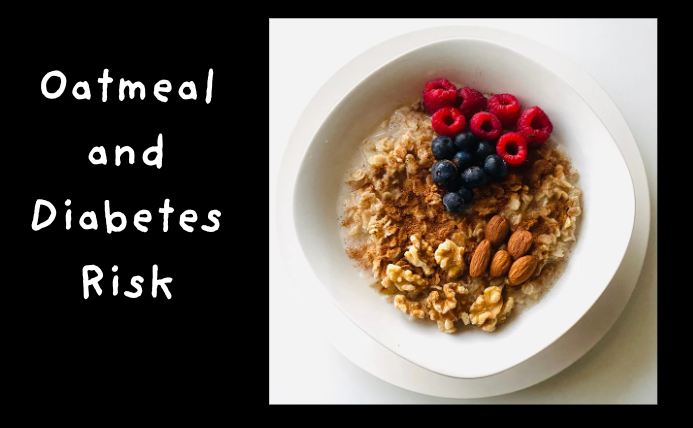
Oatmeal — steel-cut or rolled oats have a glycemic index of 55 or below, provide substantial soluble fiber that slows glucose absorption, and have been clinically shown to lower cholesterol. Top with berries and a small handful of walnuts for added nutrition.

Whole fruit — the fiber in whole fruit dramatically slows fructose absorption, making a piece of fruit a far better blood sugar choice than juice, sweetened yogurt, or cereal, despite containing natural sugar.

Tofu scramble — a plant-based alternative to scrambled eggs that provides protein and satisfaction without the saturated fat and cholesterol of conventional egg-and-meat breakfasts.

Brown rice or whole grain porridge — in many Asian cultures, a warm grain porridge with vegetables is the traditional breakfast, and research consistently shows that populations eating this way have dramatically lower rates of type 2 diabetes and obesity than those eating Western-style breakfasts.

Legumes — beans on toast (whole grain toast) is a traditional breakfast in several cultures and represents one of the most complete, blood-sugar-stable morning meals available. The combination of protein, complex carbohydrates, and fiber provides sustained energy without a significant glycemic spike.

The Bottom Line

What you eat for breakfast matters — not just for that morning’s energy, but for your blood sugar patterns, insulin response, and hunger signals throughout the entire day. The five foods above are not occasional indulgences to feel guilty about. They are simply foods worth knowing the truth about — so that when you choose to eat them, you do so with full information.

Knowledge is the first step. The next step is on your plate.


Dr. Terry Shintani is a Harvard-trained physician (MD, JD, MPH), a Living Treasure of Hawai’i, and the creator of the Waianae Diet and the Peace Diet. He continues to see patients at his Honolulu practice and shares daily health insights on YouTube.

🌿 Learn more at PeaceDiet.org | Watch the video: https://www.instagram.com/p/Da122qIzVOm/

Uncategorized

Posts pagination

Previous 1 … 3 4 5 … 29 Next

About Dr. Shintani

Dr. Terry Shintani, MD, JD, MPH is a Board Certified Physician and Harvard-trained
nutritionist. His wellness program won a national award from the U.S. Secretary of
Health and Human Services and his peer-reviewed work is published in the American Journal of
Clinical Nutrition and several other scientific journals.  He also was featured in “Dateline NBC”,
CBS, “This Morning” CNN, Fox and  Newsweek  His Program is featured in the Encyclopedia
Britannica.  He has written 16 books including the Eat More Weigh Less(r) Diet, the Hawaii
Diet, the Carbohydrate revolution and the Peace Diet. Among his many community awards, He
was named a “Food Hero” by Eating Well Magazine, He was knighted by the Orthodox Order of
St. John, and formally designated a “Living Treasure” of Hawaii.

Read More

Search

  • Home
  • Blog
  • Join Us
  • PeaceDiet

Find Us

HAWAII HEALTH FOUNDATION

50 S.Beretania St. C-119B Honolulu, HI 96813

Email: mail@eHealthAndYou.com

Age Calculator

image

Copyright © 2026 Dr.Shintani.

Powered by PressBook WordPress theme