
Skip to content
  • About
  • Blog
  • Testimonials
  • Join Us
  • Freebies
  • Contact
  • Social Media
  • PeaceDiet
  • Books
  • Age Calculator
Dr.Shintani

Dr.Shintani

Terry

Blog

Is Chocolate Good for Romance? The Science Behind the World’s Most Beloved Treat

Posted on July 15, 2026July 15, 2026 By drshintani No Comments on Is Chocolate Good for Romance? The Science Behind the World’s Most Beloved Treat

Few foods in human history carry as much romantic symbolism as chocolate. It is the universal gift of love — exchanged on Valentine’s Day, birthdays, and anniversaries across virtually every culture in the world. But is there any science behind the romance? Or is chocolate’s reputation as an aphrodisiac purely a matter of marketing and mythology?

The answer, as with most things in nutrition science, is more interesting than a simple yes or no.

A Royal History

The association between chocolate and romance goes back centuries. The ancient Aztecs — who first cultivated cacao and developed chocolate as a beverage — considered it a powerful aphrodisiac and a strengthening drink reserved for royalty and warriors. The Aztec emperor Montezuma was famously said to consume large quantities of cacao before visiting his wives.

When Spanish conquistadors brought cacao back to Europe in the 16th century, chocolate’s reputation as a romantic and energizing substance traveled with it. By the 17th and 18th centuries, chocolate houses had become fashionable social establishments across Europe, and chocolate was widely considered a luxury food with stimulating and restorative properties.

Whether these historical associations were based on genuine physiological effects or cultural mythology — or both — is a question that modern science has begun to answer.

What the Science Says

There is no rigorous clinical evidence that chocolate functions as a true aphrodisiac in the traditional sense — a substance that directly and reliably increases sexual desire. The romantic reputation of chocolate is largely cultural and psychological rather than pharmacological.

However — and this is where it gets genuinely interesting — chocolate does contain several compounds that have real, measurable physiological effects that can support the conditions for romance and sexual activity. These are not magical love potion ingredients, but they are legitimate bioactive substances with documented mechanisms of action.

1. Phenylethylamine — The Love Chemical

Chocolate contains phenylethylamine (PEA) — a naturally occurring compound that the brain also produces in response to attraction and infatuation. PEA stimulates the release of dopamine and norepinephrine in the brain, producing feelings of excitement, alertness, and elevated mood.

Interestingly, the brain produces PEA naturally when people experience romantic attraction — which may be part of why chocolate became culturally associated with love in the first place. Consuming it provides a mild external source of the same compound the brain generates during the early stages of romantic connection.

2. Caffeine — Energy and Alertness

Chocolate contains modest amounts of caffeine — particularly dark chocolate with high cacao content. Caffeine is a well-documented stimulant that increases alertness, reduces fatigue, and improves mood. While the caffeine content of chocolate is lower than coffee, it contributes to the overall energizing effect that chocolate is known for.

3. Theobromine — The Gentle Stimulant

Theobromine is a compound found almost exclusively in cacao and is one of the primary bioactive ingredients in chocolate. Like caffeine, it is a mild stimulant — but it works more slowly and gently, producing a longer-lasting sense of energy and wellbeing without the sharp spike and crash associated with caffeine.

Theobromine also has vasodilatory effects — meaning it helps relax and widen blood vessels, improving circulation throughout the body.

4. Quercetin and Nitric Oxide — Blood Flow and Arousal

Perhaps the most clinically significant compounds in chocolate from a sexual health perspective are quercetin and the nitric oxide precursors found in cacao. As discussed in previous articles, nitric oxide is one of the most important molecules for cardiovascular health — it signals blood vessel walls to relax and dilate, improving blood flow throughout the body.

This mechanism is directly relevant to sexual function. Improved blood flow supports arousal in both men and women, and the role of nitric oxide in erectile function is well established — it is the same pathway targeted by pharmaceutical medications for erectile dysfunction. While chocolate’s effects are far more modest than pharmaceutical interventions, the underlying mechanism is the same.

Quercetin, a flavonoid also found in apples, berries, and onions, has anti-inflammatory and vasodilatory effects that complement the nitric oxide pathway.

5. Tryptophan — The Relaxation Molecule

Chocolate contains tryptophan — an amino acid that serves as a precursor to serotonin, the neurotransmitter associated with calm, contentment, and positive mood. As discussed in our recent article on the gut-brain connection, serotonin plays a central role in emotional wellbeing and stress regulation.

The tryptophan in chocolate may contribute to the relaxed, contented feeling that many people associate with eating it — creating what might be described as a romantic mood from a neurochemical standpoint.

Choosing the Right Chocolate

Not all chocolate is created equal from a health perspective. The bioactive compounds described above are concentrated in cacao — and the higher the cacao content of the chocolate, the more of these compounds it contains.

Dark chocolate with 70% cacao or higher provides the greatest concentration of phenylethylamine, theobromine, quercetin, and nitric oxide precursors. Milk chocolate and white chocolate — which contain less cacao and more sugar, milk, and additives — provide far fewer of these benefits.

As with all foods in the Peace Diet approach, quality and moderation matter. A small amount of high-quality dark chocolate provides genuine health benefits. Large quantities of sugar-laden milk chocolate work against cardiovascular health and overall wellbeing.

The Verdict

Is chocolate a magical aphrodisiac? No — the evidence does not support that claim.

Does chocolate contain real, bioactive compounds that can support energy, mood, blood flow, and the physiological conditions for romance? Yes — and the science behind those effects is solid.

Perhaps most importantly, chocolate is one of the few genuinely pleasurable foods that can be part of a healthy diet when chosen wisely. A square or two of quality dark chocolate shared with someone you love — that may be the most honest description of what chocolate actually offers.

Not magic. But not nothing either.


Dr. Terry Shintani is a Harvard-trained physician (MD, JD, MPH), a Living Treasure of Hawai’i, and the creator of the Waianae Diet and the Peace Diet. He continues to see patients at his Honolulu practice and shares daily health insights on YouTube.

🌿 Learn more at PeaceDiet.org | Watch the video: https://www.instagram.com/p/DazQT2gTFkt/

Uncategorized

Simple Solutions to Stress and Depression — The Power of Sunlight, Exercise, and Vitamin D

Posted on July 14, 2026July 15, 2026 By drshintani No Comments on Simple Solutions to Stress and Depression — The Power of Sunlight, Exercise, and Vitamin D

In the years since the pandemic reshaped daily life, mental health professionals around the world have documented a troubling trend: rates of stress, anxiety, and depression have risen significantly — and in many cases, they have not returned to pre-pandemic levels even as restrictions have lifted.

The reasons are complex. But one contributing factor is remarkably simple — and remarkably easy to address.

We are spending too much time indoors.

What Happens to Your Brain When You Stay Inside

The human body was not designed for the modern indoor lifestyle. For the vast majority of human history, people spent most of their waking hours outside — moving, working, and living under natural light. The brain, the endocrine system, and the immune system all evolved in an environment of regular sunlight exposure and daily physical movement.

When we deprive ourselves of these basic inputs — as millions of people did during pandemic lockdowns, and as many continue to do in the years since — the effects on mental health are direct and measurable.

The Endorphin Deficit

Exercise triggers the release of endorphins — the brain’s natural feel-good chemicals. Endorphins reduce the perception of pain, create feelings of euphoria and wellbeing, and help regulate mood and stress response. They are, in the most literal sense, the brain’s built-in antidepressant system.

When we stop exercising — as inevitably happens when we spend all day sitting indoors — endorphin production drops. The brain loses access to one of its primary mood-regulating mechanisms. Over time, this contributes to a baseline of low mood, irritability, and increased vulnerability to stress and depression.

The encouraging reality is that the endorphin response to exercise is dose-dependent and relatively rapid. Even a single 20-30 minute walk produces a measurable increase in endorphin levels and a corresponding improvement in mood. You do not need an intense workout to access these benefits — you simply need to move your body, preferably outside.

The Vitamin D Connection

The second major consequence of staying indoors is a reduction in Vitamin D levels — and the mental health implications of this are more significant than most people realize.

Vitamin D is unique among vitamins in that the body can produce it directly from sunlight exposure. When ultraviolet B rays from the sun hit the skin, they trigger a chemical reaction that converts a precursor molecule into Vitamin D3 — the active form that the body uses. Just 15-20 minutes of direct sun exposure on the arms and legs can produce a meaningful amount of Vitamin D in most people.

When sun exposure is reduced — as happens when people spend most of their time indoors — Vitamin D levels decline. And the consequences extend far beyond bone health, which is what Vitamin D is most commonly associated with.

Research has established a clear and consistent link between low Vitamin D levels and depression, anxiety, and seasonal affective disorder. Vitamin D receptors are found throughout the brain — including in regions involved in mood regulation, motivation, and stress response. When Vitamin D is deficient, these brain systems do not function optimally.

Seasonal Affective Disorder — No Longer Just a Winter Problem

Seasonal affective disorder — commonly known as SAD — was historically understood as a winter condition, triggered by the reduced daylight hours of the colder months. People in northern latitudes, who experience dramatically shorter days in winter, were most commonly affected.

But as Dr. Shintani has observed, the pandemic may have transformed seasonal affective disorder into a year-round phenomenon for many people. When individuals spend most of their time indoors regardless of the season — working from home, avoiding outdoor activities, spending leisure time in front of screens — they can develop the same Vitamin D deficiency and light deprivation that previously only occurred in winter.

The result is a form of depression that does not follow the traditional seasonal pattern — it simply persists, driven not by the time of year but by the indoor lifestyle.

The Simple Solution

The solution to this specific form of stress and depression is, as Dr. Shintani emphasizes, remarkably straightforward: get outside.

Going outdoors addresses both contributing factors simultaneously. Natural sunlight stimulates Vitamin D production, regulates circadian rhythms, and directly affects the brain’s serotonin system — another key mood-regulating neurotransmitter. Physical movement outdoors triggers endorphin release while also providing the additional benefits of fresh air, nature exposure, and a change of environment that all have documented positive effects on mental health.

Specific recommendations:

Aim for at least 20-30 minutes of outdoor time daily. Morning sunlight is particularly valuable — it helps regulate the circadian rhythm and sets the hormonal tone for the rest of the day.

Walk whenever possible. A daily walk — even a short one — provides both the endorphin benefits of exercise and the Vitamin D and mood benefits of natural light. Walking after meals, as discussed in previous articles, also provides blood sugar benefits.

Combine outdoor time with social connection. Walk with a friend, family member, or neighbor. Social connection has independent mental health benefits, and combining it with outdoor movement amplifies both.

Consider Vitamin D supplementation if outdoor time is limited. For those whose lifestyle, climate, or health situation genuinely limits sun exposure, a Vitamin D supplement can help maintain adequate levels. Most adults benefit from 2,000-4,000 IU of Vitamin D3 daily — though individual needs vary, and testing your levels with a simple blood test is the most accurate way to determine the right dose.

The Bigger Picture

Stress and depression are complex conditions with many contributing factors — including genetic predisposition, trauma, relationship difficulties, nutritional deficiencies, and underlying health conditions. For people experiencing significant mood symptoms, working with a qualified healthcare provider is important.

But the role of sunlight, movement, and Vitamin D in mental health is real, well-documented, and consistently underappreciated in conventional medicine. These are not alternative medicine claims — they are well-established physiological mechanisms supported by decades of research.

And unlike most pharmaceutical interventions for depression, going outside has no side effects, no cost, and no prescription required.

Dr. Shintani’s message is simple: your mental health needs sunlight and movement just as much as your body does. Step outside. Take a walk. Let the sun reach your skin.

Your brain was designed for this. Give it what it needs.


Dr. Terry Shintani is a Harvard-trained physician (MD, JD, MPH), a Living Treasure of Hawai’i, and the creator of the Waianae Diet and the Peace Diet. He continues to see patients at his Honolulu practice and shares daily health insights on YouTube.

🌿 Learn more at PeaceDiet.org | Watch the video: https://www.instagram.com/p/DawrTPgz7qt/

📖 Also read — Feeling Down or Stressed? Your Gut Flora Produces 90% of Your Serotonin: https://drshintani.com/2026/07/12/feeling-down-or-stressed-your-gut-flora-produces-90-of-your-serotonin/

Uncategorized

5 Natural Ways to Relax Your Blood Vessels and Help Control Blood Pressure

Posted on July 13, 2026July 13, 2026 By drshintani No Comments on 5 Natural Ways to Relax Your Blood Vessels and Help Control Blood Pressure

When most people think about controlling blood pressure, they think about reducing salt, losing weight, or taking medication. These are all valid approaches — but there is a deeper, more fundamental mechanism that is rarely discussed in routine medical appointments, and it may be one of the most direct levers available for natural blood pressure control.

Blood vessel relaxation.

The walls of your blood vessels are lined with smooth muscle cells that can either contract — narrowing the vessel and increasing pressure — or relax — widening the vessel and reducing pressure. The state of these muscle cells at any given moment is one of the primary determinants of your blood pressure reading. And the remarkable thing is that food, movement, and lifestyle choices have a direct and measurable influence on whether your blood vessels are in a state of constriction or relaxation.

Dr. Terry Shintani has identified five natural approaches to promoting blood vessel relaxation — each backed by solid clinical evidence and each consistent with the broader Peace Diet philosophy of addressing root causes rather than masking symptoms.

1. Eat More Foods That Produce Nitric Oxide — Greens and Beets

Nitric oxide is one of the most important molecules in cardiovascular health. It is a natural signaling molecule produced in the cells lining blood vessel walls — called endothelial cells — that directly signals the smooth muscle cells in those walls to relax and dilate. When nitric oxide production is adequate, blood vessels remain flexible and open. When it is insufficient, vessels constrict and blood pressure rises.

The good news is that certain foods dramatically support the body’s nitric oxide production. Leafy green vegetables — spinach, arugula, kale, Swiss chard, and particularly beetroot — are exceptionally rich in dietary nitrates. When consumed, these nitrates are converted by beneficial bacteria in the mouth and gut into nitric oxide, directly triggering the relaxation of blood vessel walls.

Research has consistently shown that diets high in nitrate-rich vegetables produce meaningful reductions in blood pressure. Beetroot juice in particular has been shown in multiple clinical trials to reduce systolic blood pressure by an average of 4-10 points within hours of consumption — a result comparable to some low-dose pharmaceutical interventions.

Practical additions to the diet: raw spinach in salads, steamed beet greens, roasted beets, arugula as a base for grain bowls, and dark leafy greens added to soups and stir-fries.

2. Eat More Magnesium-Rich Foods

Magnesium is one of the most versatile and important minerals in the human body — and one of the most commonly deficient in people eating a modern Western diet. Its role in blood pressure control is particularly significant because it works through two complementary mechanisms.

First, magnesium acts as a natural calcium channel blocker. Calcium channel blockers are a major class of pharmaceutical blood pressure medications — they work by preventing calcium from entering the smooth muscle cells of blood vessel walls, which would otherwise cause those cells to contract. Magnesium does the same thing naturally, competing with calcium at these cellular entry points and promoting muscle relaxation in blood vessel walls.

Second, magnesium is essential for the production of nitric oxide — working synergistically with the dietary nitrates from greens and beets described above. Without adequate magnesium, even a diet rich in nitrate-containing vegetables cannot produce optimal levels of nitric oxide.

Foods rich in magnesium include dark leafy greens (particularly spinach), legumes, nuts and seeds (especially pumpkin seeds, almonds, and cashews), whole grains, avocado, and dark chocolate. The Peace Diet’s emphasis on whole, plant-centered foods naturally provides far more magnesium than the standard American diet — which is one of the reasons plant-based eaters consistently show lower rates of hypertension in population studies.

3. Eat Less Red Meat, Egg Yolks, and Dairy

This recommendation addresses a less well-known but increasingly important mechanism of blood vessel constriction — one that Dr. Shintani has been aware of for years and that mainstream cardiovascular research is now confirming.

When red meat, egg yolks, and certain dairy products are digested, gut bacteria metabolize a compound called choline and carnitine — found abundantly in these foods — into a molecule called trimethylamine (TMA). This TMA is then converted by the liver into trimethylamine N-oxide, or TMAO.

Elevated TMAO levels in the blood have been strongly associated with blood vessel dysfunction — specifically, reduced ability of blood vessel walls to relax and dilate in response to nitric oxide signals. In other words, TMAO impairs the very mechanism that greens, beets, and magnesium are trying to support. High TMAO levels have also been linked to accelerated atherosclerosis and increased cardiovascular risk in multiple large population studies.

Reducing consumption of red meat, egg yolks, and full-fat dairy — the primary dietary sources of TMAO precursors — therefore directly supports blood vessel flexibility and relaxation. This is one more reason why the Peace Diet’s plant-centered approach produces such consistent improvements in blood pressure and cardiovascular health.

4. Exercise Regularly

Physical activity is one of the most powerful natural vasodilators available. When you exercise, your muscles demand more oxygen and nutrients, signaling the body to increase blood flow. In response, the endothelial cells lining blood vessel walls produce more nitric oxide — causing vessels to dilate and blood pressure to drop during and after exercise.

But the benefits of regular exercise extend beyond the workout itself. Consistent physical activity over time improves what is called endothelial function — the ability of blood vessel walls to produce nitric oxide and respond to relaxation signals. People who exercise regularly have more flexible, more responsive blood vessels than sedentary individuals — and this translates to lower resting blood pressure and better cardiovascular resilience overall.

The type of exercise matters less than the consistency. Walking, swimming, cycling, dancing, gardening — any form of sustained movement supports blood vessel health. Dr. Shintani himself has long maintained a daily basketball practice — a habit he credits with keeping his cardiovascular system sharp well into his 70s.

Even a 10-minute walk after meals — as discussed in an earlier article — produces measurable improvements in blood vessel function and blood pressure in the hours that follow.

5. Use Herbal Supplements

Certain herbal supplements have demonstrated specific abilities to support blood vessel relaxation and blood pressure control — complementing the dietary and lifestyle approaches above.

Dr. Shintani’s previous posts have covered ten supplements for blood pressure control in detail — including CoQ10, beet extract, magnesium supplements, hawthorn, and hibiscus tea. Hawthorn in particular is worth highlighting in the context of blood vessel relaxation — its flavonoids directly improve the function of endothelial cells and have been shown to enhance nitric oxide production, working synergistically with the dietary approaches described above.

Hibiscus tea — which acts as a natural ACE inhibitor — also directly supports blood vessel relaxation by blocking the hormonal pathway that would otherwise cause vessels to constrict. Three cups of hibiscus tea daily has been shown in clinical research to produce meaningful reductions in blood pressure in pre-hypertensive and mildly hypertensive adults.

As always, discuss any supplements with your physician before starting — particularly if you are already on blood pressure medication, as some supplements can interact with pharmaceutical treatments and may require dosage adjustments.

Putting It All Together

These five approaches — eating nitric oxide-producing foods, maximizing magnesium intake, reducing TMAO-producing animal foods, exercising consistently, and using targeted herbal supplements — all work through the same fundamental mechanism: keeping blood vessel walls relaxed, flexible, and responsive.

They are not independent interventions to be applied one at a time. They work synergistically — each reinforcing the others. A diet rich in greens and beets provides nitrates; adequate magnesium converts those nitrates into nitric oxide efficiently; reduced TMAO means blood vessels can actually respond to those nitric oxide signals; exercise amplifies nitric oxide production further; and targeted supplements fill any remaining gaps.

Together, they address the root cause of elevated blood pressure — not by forcing the cardiovascular system into submission with medication, but by restoring the conditions under which it naturally functions well.

Your blood vessels were designed to be flexible and relaxed. Give them what they need, and they will be.


Dr. Terry Shintani is a Harvard-trained physician (MD, JD, MPH), a Living Treasure of Hawai’i, and the creator of the Waianae Diet and the Peace Diet. He continues to see patients at his Honolulu practice and shares daily health insights on YouTube.

🌿 Learn more at PeaceDiet.org | Watch the video: https://www.youtube.com/watch?v=c9wMwAXkckI

📖 Also read:
— 9 Ways to Help Control Blood Pressure: https://drshintani.com/2026/06/30/9-ways-to-help-control-blood-pressure-by-reducing-hardening-of-the-arteries/
— 5 Natural Supplements for Blood Pressure: https://drshintani.com/2026/07/06/got-high-blood-pressure-5-natural-supplements-that-may-help/

Uncategorized

Feeling Down or Stressed? Your Gut Flora Produces 90% of Your Serotonin

Posted on July 12, 2026July 12, 2026 By drshintani No Comments on Feeling Down or Stressed? Your Gut Flora Produces 90% of Your Serotonin

When people feel persistently low, anxious, or unable to cope with stress, the first place most doctors look is the brain. Antidepressants, anti-anxiety medications, and mood stabilizers all target neurotransmitter activity in the brain — and for many people, they provide meaningful relief.

But there is a dimension of mood regulation that conventional medicine has been slow to integrate into mainstream practice, despite a rapidly growing body of research pointing directly to it.

Your gut.

Specifically — the 100 trillion microorganisms living in your digestive tract, collectively known as the gut microbiome or gut flora. And the remarkable fact at the center of this emerging science is this: more than 90 percent of the body’s serotonin is produced not in the brain, but in the gut — in direct conjunction with the gut flora that lives there.

What Is Serotonin — and Why Does It Matter?

Serotonin is one of the most important neurotransmitters in the human body. Often called the “happy hormone,” it plays a central role in regulating mood, emotional stability, and the experience of calm and enjoyment. It helps modulate anxiety, supports healthy sleep cycles, and contributes to a general sense of wellbeing.

Low serotonin levels have been associated with depression, anxiety, irritability, poor sleep, and difficulty managing stress. Most pharmaceutical antidepressants — including SSRIs (selective serotonin reuptake inhibitors), the most widely prescribed class of antidepressants in the world — work by preventing the breakdown of serotonin in the brain, effectively making more of it available.

But here is what most people — and many doctors — don’t fully appreciate: the brain’s serotonin supply depends heavily on what is happening in the gut. The gut produces serotonin, and the gut flora plays a direct role in that production. When the gut microbiome is healthy, diverse, and well-nourished, serotonin production tends to be adequate. When the gut is dysbiotic — unbalanced, inflamed, or depleted of beneficial bacteria — serotonin production can be compromised, contributing to the very mood symptoms that are typically attributed to the brain alone.

The Gut-Brain Connection

The gut and brain are in constant, bidirectional communication through what scientists call the gut-brain axis — a complex network of neural, hormonal, and immune signals that flows in both directions between the digestive system and the central nervous system. The vagus nerve — one of the longest nerves in the body — serves as a primary highway for this communication, carrying signals from the gut directly to the brain.

This means that what happens in the gut does not stay in the gut. Inflammation in the gut triggers inflammatory signals that travel to the brain, affecting mood, cognition, and stress response. A disrupted gut microbiome sends different signals than a healthy one — and the brain responds accordingly.

Researchers studying the gut-brain axis have found that people with depression and anxiety tend to have less diverse gut microbiomes, lower levels of certain beneficial bacterial strains, and higher levels of inflammatory markers in the gut than people without mood disorders. While the direction of causality is still being investigated — does gut dysbiosis cause depression, or does depression cause gut dysbiosis? — the relationship is increasingly clear and almost certainly runs in both directions.

How to Support Healthy Gut Flora for Natural Serotonin Production

The good news is that the gut microbiome is highly responsive to dietary change. Unlike the brain — which is protected by the blood-brain barrier and can be difficult to influence directly — the gut flora can begin to shift meaningfully within days of changing what you eat.

Dr. Shintani identifies two key categories of foods for supporting a healthy gut microbiome:

Probiotic Foods — Direct Sources of Beneficial Bacteria

Probiotics are live beneficial bacteria found in fermented foods. When consumed regularly, they contribute directly to the diversity and health of the gut microbiome.

Miso — the fermented soybean paste central to Japanese cuisine — is one of the richest and most accessible probiotic foods available. It contains multiple strains of beneficial Lactobacillus bacteria and has been consumed for centuries in cultures with some of the world’s lowest rates of depression and anxiety.

Sauerkraut — fermented cabbage — is one of the most studied probiotic foods in Western research. Its beneficial bacteria survive the digestive process and have been shown to colonize the gut and support microbiome diversity. Choose unpasteurized sauerkraut — the pasteurization process kills the beneficial bacteria.

Kimchi — the Korean fermented vegetable dish — contains a rich diversity of beneficial bacteria along with powerful anti-inflammatory compounds from its chili, ginger, and garlic ingredients. Research has linked regular kimchi consumption to improved gut microbiome diversity and reduced inflammatory markers.

Other excellent probiotic sources include tempeh, kombucha (low sugar), and plant-based yogurts with live active cultures.

Prebiotic Foods — Fuel for Beneficial Bacteria

Prebiotics are the fiber-rich foods that feed and sustain the beneficial bacteria already living in the gut. Without adequate prebiotic fiber, beneficial bacteria cannot thrive — regardless of how many probiotic foods are consumed.

Whole grains — brown rice, oats, barley, and whole wheat — provide the fermentable fiber that beneficial gut bacteria use for energy. The short-chain fatty acids produced when gut bacteria ferment this fiber also have direct anti-inflammatory effects throughout the body, including in the brain.

Whole beans and legumes — chickpeas, lentils, black beans, mung beans — are among the most prebiotic-rich foods available. Their resistant starch and diverse fiber types feed a wide range of beneficial bacterial strains, supporting microbiome diversity.

Cooked vegetables — particularly cruciferous vegetables, root vegetables, and leafy greens — provide multiple types of prebiotic fiber along with the antioxidants and anti-inflammatory compounds that support gut lining health.

Whole fruit — particularly berries, apples, and pears — provide pectin and other soluble fibers that specifically support beneficial bacterial growth and serotonin-producing bacterial strains.

The Bigger Picture

The connection between gut health and mental health is one of the most exciting and rapidly evolving areas of nutritional science. It reframes how we think about mood disorders — not as purely brain-based chemical imbalances, but as whole-body conditions that involve the gut, the immune system, and the food we eat every single day.

This does not mean that diet alone can treat clinical depression or anxiety — and anyone experiencing significant mood symptoms should work with a qualified healthcare provider. But it does mean that what you eat is not irrelevant to how you feel emotionally. The gut flora that lives inside you responds to every meal you eat — and it responds by producing the very neurotransmitters that shape your mood, your calm, and your ability to handle the stresses of daily life.

Feed your gut well. Your brain is listening.


Dr. Terry Shintani is a Harvard-trained physician (MD, JD, MPH), a Living Treasure of Hawai’i, and the creator of the Waianae Diet and the Peace Diet. He continues to see patients at his Honolulu practice and shares daily health insights on YouTube.

🌿 Learn more at PeaceDiet.org | Watch the video: https://www.instagram.com/p/DaryUGSTD8K/

Uncategorized

5 Things You Can Do to Prevent Gastritis and Peptic Ulcers Naturally

Posted on July 11, 2026July 11, 2026 By drshintani No Comments on 5 Things You Can Do to Prevent Gastritis and Peptic Ulcers Naturally

Stomach pain. A burning sensation that gnaws at you between meals. Discomfort that worsens when you eat certain foods and briefly improves when you eat others. These are the hallmark symptoms of gastritis and peptic ulcers — conditions that affect millions of people worldwide and are among the most common reasons people visit their doctor.

For decades, the standard medical explanation for peptic ulcers was stress and spicy food. We now know better. Between 80 and 90 percent of peptic ulcers are connected to a specific acid-resistant bacterium called Helicobacter pylori — commonly known as H. pylori — a spiral-shaped organism that burrows into the protective mucus lining of the stomach and duodenum, allowing stomach acid to damage the tissue underneath.

When H. pylori is identified, the standard treatment is a course of antibiotics combined with antacid medications. This approach is effective — but it is not the whole story. Antibiotics disrupt the entire gut microbiome, not just the H. pylori bacteria. And antacids, while providing short-term relief, do not address the underlying conditions that allowed H. pylori to take hold in the first place.

Dr. Terry Shintani’s approach, as always, goes deeper — addressing the dietary and lifestyle factors that either promote or prevent gastric damage, reduce the risk of H. pylori establishing itself, and support the stomach lining’s natural ability to heal.

Here are five things you can do to prevent gastritis and peptic ulcers — and to hasten healing and prevent recurrence if you have already been diagnosed.

1. Eat Plenty of Well-Cooked Oatmeal, Brown Rice, Barley, or Poi

The stomach lining — called the gastric mucosa — is protected by a layer of mucus that acts as a buffer between the acidic environment of the stomach and the delicate tissue underneath. When this mucus layer is damaged or depleted, the stomach becomes vulnerable to irritation, inflammation, and ulceration.

Certain whole grain foods provide a natural, soothing coating that supports and complements the stomach’s own protective mucus layer. Well-cooked oatmeal is particularly valuable — its soluble fiber, beta-glucan, forms a viscous gel that coats and soothes the stomach lining, reducing irritation and creating a protective environment for healing. Brown rice and barley provide similar protective benefits through their fiber content and gentle, non-acidic nature.

For those in Hawaii, poi — the traditional Hawaiian staple made from taro — deserves special mention. Poi has an extremely low acid load, a smooth, easily digestible texture, and a fiber content that supports gut health. It has been used historically in Hawaii as a gentle, healing food for people with digestive conditions — and its benefits are now being recognized in nutritional research.

Well-cooked grains are particularly important — cooking breaks down the fibrous structure of these foods, making them easier to digest and reducing any potential for irritation in an already inflamed stomach.

2. Eat Plenty of Cooked Vegetables

Raw vegetables, while nutritious, can be difficult for an inflamed stomach to process — their rough texture and high fiber content can irritate already sensitive gastric tissue. Cooked vegetables, by contrast, provide the same nutritional benefits in a form that is much gentler on the digestive system.

Certain cooked vegetables have specific benefits for gastric health. Broccoli and other cruciferous vegetables contain sulforaphane — the same compound studied at Johns Hopkins for its cancer-fighting properties — which has also been shown in research to inhibit H. pylori directly. Cabbage juice, famously, has a long history of use as a traditional remedy for ulcers, and modern research has confirmed that cabbage contains compounds that stimulate the production of the stomach’s protective mucus layer.

Sweet potato, pumpkin, and other orange and yellow vegetables are rich in beta-carotene, which supports the health and regeneration of the cells lining the digestive tract. Steamed or boiled, these vegetables provide powerful protective compounds without the digestive challenge of raw fiber.

3. Chew Well

This may seem like simple advice — but it is one of the most clinically significant things a person with gastritis or peptic ulcer disease can do, and it is almost universally ignored.

Digestion begins in the mouth. Chewing thoroughly breaks food down into smaller particles, mixes it with saliva (which contains digestive enzymes and antibacterial compounds), and significantly reduces the workload on the stomach. When food arrives in the stomach inadequately chewed, the stomach must work harder — producing more acid and contracting more forcefully — to break it down. This increased acid production and mechanical stress aggravates an already inflamed stomach lining.

Beyond the mechanical benefits, thorough chewing makes the fiber in vegetables and whole grains physically available to the beneficial bacteria in the gut — the friendly flora that compete with H. pylori for space in the digestive tract. A well-chewed meal feeds the right bacteria, supports a healthy microbiome, and reduces the environmental conditions that allow H. pylori to thrive.

A practical guideline: aim to chew each mouthful 20-30 times before swallowing, and put your utensils down between bites to slow the pace of eating.

4. Limit Dairy and Animal Protein

This recommendation surprises many people — particularly those who have been told that milk soothes an ulcer. While dairy does provide temporary relief by coating the stomach and neutralizing acid briefly, it then triggers a rebound effect: the protein and calcium in milk stimulate increased acid production, making the underlying condition worse.

Animal proteins in general — meat, poultry, fish, eggs, and dairy — are among the strongest stimulants of stomach acid production. The body requires high levels of acid to break down animal protein, and for someone with an already inflamed stomach lining, this sustained acid production prolongs irritation and delays healing.

This does not mean complete elimination of all animal protein is necessary for everyone — but significantly reducing intake, particularly during active gastritis or ulcer flares, can make a meaningful difference in symptom severity and healing time. Plant proteins — legumes, tofu, tempeh, and well-cooked grains — are far gentler on the stomach and support healing rather than hindering it.

Highly spiced foods, coffee, alcohol, and carbonated beverages should also be minimized, as all of these stimulate acid production and can directly irritate the gastric mucosa.

5. Take Probiotics — Especially If You Are on Antibiotics

The gut microbiome — the community of trillions of bacteria living in the digestive tract — plays a critical role in protecting against H. pylori and supporting gastric health. A diverse, healthy microbiome creates a competitive environment that makes it more difficult for H. pylori to establish itself and proliferate.

When antibiotics are prescribed for H. pylori, they are effective at eliminating the bacteria — but they also significantly disrupt the broader gut microbiome, wiping out many of the beneficial bacteria that protect the stomach and digestive tract. This disruption can lead to digestive side effects, increased susceptibility to other infections, and potentially a higher risk of H. pylori recurrence if the microbiome does not recover adequately.

Probiotic supplementation — particularly strains of Lactobacillus and Bifidobacterium — has been shown in multiple clinical studies to reduce the side effects of antibiotic treatment for H. pylori, improve eradication rates when taken alongside antibiotics, and support the restoration of a healthy gut microbiome after treatment.

Fermented foods — miso, tempeh, kimchi, and yogurt (plant-based, for those minimizing dairy) — also provide beneficial bacteria that support gut health. Incorporating these foods regularly, alongside a probiotic supplement during and after antibiotic treatment, gives the gut the best chance of full microbiome recovery.

The Bigger Picture

Gastritis and peptic ulcers are not random misfortunes. They develop in an environment — a gut microbiome under stress, a stomach lining weakened by poor diet and inadequate fiber, an immune system compromised by chronic inflammation — that makes H. pylori’s job easier.

The five steps above address that environment directly. They support the stomach’s natural protective mechanisms, feed the beneficial bacteria that compete with H. pylori, reduce the acid burden on an inflamed stomach, and promote the conditions for healing rather than further damage.

As with all of Dr. Shintani’s recommendations, these steps work best as part of a broader dietary pattern — the whole-food, plant-centered, low-fat, high-fiber approach of the Peace Diet — that supports not just gastric health but the health of the entire body.

Your stomach was designed to heal. Give it the right conditions, and it will.


Dr. Terry Shintani is a Harvard-trained physician (MD, JD, MPH), a Living Treasure of Hawai’i, and the creator of the Waianae Diet and the Peace Diet. He continues to see patients at his Honolulu practice and shares daily health insights on YouTube.

🌿 Learn more at PeaceDiet.org | Watch the video: https://www.instagram.com/reel/DapzxlezXa5/

Uncategorized

Why Your Liver May Be the Hidden Cause of Your Fatigue, Brain Fog, and Belly Fat

Posted on July 10, 2026July 10, 2026 By drshintani No Comments on Why Your Liver May Be the Hidden Cause of Your Fatigue, Brain Fog, and Belly Fat

You wake up tired even after eight hours of sleep. Your thinking feels sluggish by midafternoon. You carry extra weight around your midsection that refuses to budge no matter what you eat or how much you exercise. You have been told your labs are “borderline” but not quite bad enough to treat.

Sound familiar?

Most people in this situation are told they are simply getting older, stressed, or not trying hard enough. But there is another possibility — one that is rarely discussed in routine medical appointments — and it has everything to do with an organ most people never think about until something goes seriously wrong.

Your liver.

The Most Overlooked Organ in Your Body

The liver is the body’s most hardworking and most underappreciated organ. While the heart gets all the attention and the brain gets all the glory, the liver quietly performs over 500 distinct functions every single day — filtering toxins from the bloodstream, regulating blood sugar, producing bile for fat digestion, synthesizing proteins, storing vitamins and minerals, and processing virtually everything you eat, drink, breathe, and absorb through your skin.

When the liver is functioning optimally, you rarely notice it. But when it begins to struggle — as it does in the estimated one in three American adults with non-alcoholic fatty liver disease (NAFLD) — the effects ripple throughout the entire body in ways that are easy to miss and easier to misattribute.

The troubling reality is that most people with fatty liver disease have no idea they have it. It is called a silent disease for a reason. Standard blood tests may show mildly elevated liver enzymes that doctors note but don’t act on. And the symptoms — when they do appear — are so common and so easily explained away that they rarely trigger suspicion about the liver.

Until now.

5 Signs Your Liver May Be Struggling

1. Persistent, Unexplained Fatigue

This is the most common and most overlooked symptom of a struggling liver. Not the normal tiredness that follows a busy day — but a deep, pervasive exhaustion that is present even after adequate sleep, that worsens throughout the day, and that does not improve with rest.

The connection makes biological sense. The liver is responsible for converting nutrients into usable energy for the body’s cells. When it is congested with excess fat and under oxidative stress, this energy conversion process becomes inefficient. Cells throughout the body — including brain cells and muscle cells — receive less fuel. The result is a fatigue that feels different from ordinary tiredness — heavier, more persistent, and harder to shake.

If you have been told your fatigue has no clear cause, and if standard thyroid and iron tests have come back normal, the liver is worth investigating.

2. Brain Fog and Poor Concentration

The liver filters the blood continuously — removing ammonia, metabolic waste products, and environmental toxins before they can reach the brain. When the liver’s filtering capacity is compromised, these compounds accumulate in the bloodstream and cross into the brain, where they interfere with neurotransmitter function and cognitive processing.

The result is what many people describe as brain fog — a sense of mental cloudiness, difficulty concentrating, poor short-term memory, and a feeling of thinking through cotton wool. This phenomenon is well recognized in severe liver disease, where it is called hepatic encephalopathy. But emerging research suggests that even mild liver dysfunction — the kind associated with early NAFLD — can produce subtle but measurable cognitive effects.

In Dr. Shintani’s clinical experience, patients who address their liver health through dietary change frequently report improvements in mental clarity that they did not even realize they had lost — because the decline had been so gradual.

3. Stubborn Belly Fat

The relationship between the liver and belly fat runs deeper than most people realize — and it flows in both directions. Visceral fat — the fat stored deep in the abdominal cavity around the organs — releases inflammatory compounds and fatty acids directly into the portal vein, which feeds directly into the liver. This creates a constant stream of inflammatory signals and excess fat arriving at the liver, accelerating the accumulation of liver fat.

At the same time, a fatty, inflamed liver produces more glucose and triglycerides than a healthy liver, contributing to higher blood sugar and more fat storage — including around the abdomen. The result is a vicious cycle: belly fat stresses the liver, and a stressed liver promotes more belly fat.

This is why people with significant belly fat — particularly the hard, distended kind that sits high on the abdomen — often struggle to lose it despite dietary changes. Without addressing liver health specifically, the underlying metabolic dysfunction continues to drive fat storage regardless of caloric intake.

4. Elevated Triglycerides and Blood Sugar

The liver plays a central role in both fat and glucose metabolism. A healthy liver carefully regulates how much glucose it releases into the bloodstream and how many triglycerides it produces. A fatty liver loses this regulatory precision — it releases too much glucose (contributing to insulin resistance and eventually type 2 diabetes) and overproduces triglycerides (contributing to cardiovascular risk).

If your blood tests show borderline or elevated triglycerides, fasting blood sugar above 100, or an HbA1c creeping upward — these are not just metabolic problems. They may be liver problems expressing themselves through metabolic channels.

Dr. Shintani has observed this pattern repeatedly in his clinical practice: patients whose blood sugar and triglycerides normalize significantly once they adopt a liver-supportive dietary approach — often more dramatically than would be expected from diet alone — because they are addressing the liver dysfunction that was driving the metabolic dysregulation in the first place.

5. Digestive Discomfort and Bloating

The liver produces bile — a digestive fluid stored in the gallbladder and released into the small intestine to help digest fats. When the liver is under stress, bile production and quality can be affected, leading to incomplete fat digestion, bloating, nausea — particularly after fatty meals — and a general sense of digestive heaviness.

Many people with undiagnosed fatty liver describe feeling uncomfortably full after meals that should not be that filling, or experiencing persistent bloating that they attribute to food intolerance, irritable bowel syndrome, or simply getting older. While these conditions are real, the liver is a frequently missed contributing factor.

What to Do If You Recognize These Symptoms

First — get your liver enzymes checked. A simple blood test measuring ALT and AST levels can indicate whether the liver is under stress. If they are elevated — even mildly — it is worth investigating further with an ultrasound or more comprehensive metabolic panel.

Second — address the diet. The most effective intervention for fatty liver disease is dietary change. As Dr. Shintani outlined in his recent articles on the 7 steps to reverse fatty liver and the 7 best supplements for liver health, the approach is consistent: whole grains over processed flour, whole fruit over sugary beverages, high-fiber vegetables, reduced dietary fat, regular movement, and sustainable weight loss.

Third — consider targeted supplements. Milk thistle, berberine, Vitamin E, omega-3s, NAC, curcumin, and dandelion root all have meaningful evidence for supporting liver health and accelerating recovery from fatty liver disease.

Fourth — give it time. The liver is remarkably regenerative. Studies have shown measurable improvements in liver fat content within as little as two to four weeks of consistent dietary change. The symptoms that have accumulated over years will not disappear overnight — but they will improve, often more quickly than people expect, once the liver begins to heal.

The Bigger Picture

Fatigue, brain fog, and belly fat are not inevitable parts of aging. They are signals — the body’s way of communicating that something is not working as it should. And in many cases, that something is the liver, silently struggling under the burden of a modern diet that it was never designed to process.

The liver does not ask for much. It asks for real food, adequate hydration, and a break from the constant flood of processed fats, refined sugars, and empty calories that characterize the modern diet. Give it that, and it will do the rest.

Your energy, your clarity, and your waistline may all depend on it.


Dr. Terry Shintani is a Harvard-trained physician (MD, JD, MPH), a Living Treasure of Hawai’i, and the creator of the Waianae Diet and the Peace Diet. He continues to see patients at his Honolulu practice and shares daily health insights on YouTube.

🌿 Learn more at PeaceDiet.org

📖 Also read:
— 7 Steps to Get Rid of Fatty Liver Disease: https://drshintani.com/2026/07/07/7-steps-to-get-rid-of-fatty-liver-disease-naturally/
— 7 Best Supplements for Fatty Liver: https://drshintani.com/2026/07/07/the-7-best-supplements-for-fatty-liver-disease-dr-shintanis-next-step-guide/

Uncategorized

Top 5 Natural Supplements for Arthritis and Pain Control

Posted on July 9, 2026July 9, 2026 By drshintani No Comments on Top 5 Natural Supplements for Arthritis and Pain Control

Chronic pain is one of the most debilitating conditions affecting millions of people worldwide. Arthritis alone — in its various forms — affects more than 54 million Americans, making it one of the leading causes of disability in the country. For many, the standard medical response is a prescription for non-steroidal anti-inflammatory drugs (NSAIDs) like ibuprofen or naproxen, or stronger medications that carry significant long-term risks including stomach bleeding, kidney damage, and cardiovascular complications.

Dr. Terry Shintani’s approach, as always, begins with food. A whole-food, plant-based, anti-inflammatory diet — rich in the foods outlined in his earlier article on the seven best foods for arthritis — addresses the root cause of chronic inflammation rather than simply masking its symptoms. But for those who need additional support alongside a healthy dietary foundation, certain natural supplements have a compelling body of clinical evidence behind them.

Here are Dr. Shintani’s top five supplements for arthritis and chronic pain control.

1. Willow Bark

Willow bark is one of the oldest pain remedies in human history — its use dates back thousands of years across ancient Egypt, Greece, and China. The reason it has endured is simple: it works. Willow bark contains a compound called salicin, which the body converts to salicylic acid — the same active compound that forms the basis of aspirin.

Unlike synthetic aspirin, however, willow bark releases salicin more slowly and gently, providing more sustained pain relief with a lower risk of the stomach irritation that aspirin commonly causes. Clinical studies have shown willow bark extract to be effective for reducing pain associated with osteoarthritis, lower back pain, and headaches. It is one of the clearest examples of a traditional remedy that modern science has fully validated.

It is worth noting that people who are allergic to aspirin should also avoid willow bark, and it should not be combined with blood-thinning medications without medical supervision.

2. Curcumin (Turmeric)

Curcumin — the active anti-inflammatory compound in turmeric — is arguably the most studied natural anti-inflammatory substance in the world. It works by inhibiting multiple inflammatory pathways simultaneously, including NF-κB — a master regulator of the inflammatory response that is overactive in people with arthritis and other chronic inflammatory conditions.

Multiple randomized controlled trials have compared curcumin supplementation to NSAIDs like ibuprofen for arthritis pain relief — and the results have been remarkable. Several studies have found curcumin to be comparably effective to ibuprofen for knee osteoarthritis pain, without the gastrointestinal side effects.

The critical factor with curcumin is absorption. On its own, curcumin is poorly absorbed by the digestive tract. But combining it with piperine — the active compound in black pepper — increases curcumin’s bioavailability by an extraordinary 10 to 20 fold. When choosing a curcumin supplement, always look for one that includes piperine or black pepper extract. Alternatively, cooking turmeric with black pepper in food achieves the same effect.

3. Boswellia (Frankincense)

Boswellia serrata — the resin of the frankincense tree — has been used in Ayurvedic medicine for centuries for joint pain and inflammatory conditions. Its active compounds, called boswellic acids, work through a different mechanism than most anti-inflammatory agents: they specifically inhibit an enzyme called 5-LOX (5-lipoxygenase), which plays a key role in the production of leukotrienes — inflammatory molecules that contribute significantly to joint swelling and pain.

This unique mechanism makes boswellia particularly valuable because it complements rather than duplicates the action of other anti-inflammatory supplements. Clinical trials have shown boswellia extract to significantly reduce pain, improve joint function, and decrease swelling in people with osteoarthritis and rheumatoid arthritis. Some studies have shown meaningful improvement in as little as four weeks of supplementation.

Boswellia is generally well tolerated with minimal side effects — a significant advantage over many pharmaceutical alternatives for long-term pain management.

4. Omega-3 Fatty Acids

Omega-3 fatty acids — particularly EPA and DHA from fish oil, or ALA from flaxseed oil — are among the most well-researched natural anti-inflammatory compounds available. They work by shifting the body’s production of signaling molecules called eicosanoids away from pro-inflammatory varieties toward anti-inflammatory ones — essentially recalibrating the body’s baseline inflammatory state.

For arthritis specifically, multiple clinical trials have shown that omega-3 supplementation reduces joint tenderness, morning stiffness, and the need for NSAIDs in people with rheumatoid arthritis. The effects are not immediate — omega-3s typically require consistent supplementation over several weeks to months to produce their full anti-inflammatory benefit — but they are meaningful and well-documented.

For those following a plant-based diet, flaxseed oil provides ALA omega-3s, and algae-based supplements provide EPA and DHA directly — the same forms found in fish oil — without fish-derived products. Since fish obtain their omega-3s from algae in the first place, algae-based supplements are a direct and sustainable source.

5. Ginger

Ginger has been used as a medicinal plant for over 5,000 years across Asian, Arabic, and African cultures — primarily for digestive and inflammatory conditions. Its active compounds, called gingerols and shogaols, have powerful anti-inflammatory and antioxidant properties that work through mechanisms very similar to curcumin — making ginger a close relative in terms of its biological activity.

Research has shown that ginger supplementation reduces pain and stiffness in people with osteoarthritis of the knee, with some studies finding effects comparable to ibuprofen. Ginger also appears to reduce the markers of systemic inflammation — including C-reactive protein and prostaglandins — that contribute to chronic pain throughout the body.

One of ginger’s additional advantages is its well-established safety profile and its dual role as both a supplement and a culinary ingredient. Fresh ginger, dried ginger powder, and ginger supplements all provide anti-inflammatory benefits — making it one of the easiest natural pain remedies to incorporate into daily life.

Using These Supplements Wisely

These five supplements — willow bark, curcumin, boswellia, omega-3s, and ginger — each address inflammation through different mechanisms, which means they can be complementary when used together. However, several important considerations apply:

First, always discuss supplements with your physician before starting — particularly if you are taking blood thinners, NSAIDs, or other medications, as some of these supplements have interactions worth monitoring.

Second, supplements work best as part of a comprehensive anti-inflammatory lifestyle. The dietary foundation matters enormously — and a diet high in processed foods, saturated fat, and refined sugar will continue to drive inflammation regardless of what supplements are taken.

Third, for dosages and a more comprehensive list of supplements for arthritis and pain — including seven additional options — Dr. Shintani’s free eBook Health Secrets is available at PeaceDiet.org.

Pain does not have to be managed with drugs alone. Nature has provided a remarkable pharmacy of anti-inflammatory compounds — and the research increasingly confirms their power.


Dr. Terry Shintani is a Harvard-trained physician (MD, JD, MPH), a Living Treasure of Hawai’i, and the creator of the Waianae Diet and the Peace Diet. He continues to see patients at his Honolulu practice and shares daily health insights on YouTube.

🌿 Learn more at PeaceDiet.org | Watch the video: https://www.instagram.com/p/DajydN1TLax/

📖 Also read — 7 Best Foods to Fight Arthritis and Pain Naturally: https://drshintani.com/2026/07/02/7-best-foods-to-fight-arthritis-and-pain-naturally/

Uncategorized

The Tasty Superfood That Helps With Weight Loss and Blood Sugar Control

Posted on July 8, 2026July 8, 2026 By drshintani No Comments on The Tasty Superfood That Helps With Weight Loss and Blood Sugar Control

When people are trying to lose weight, one of the most common questions Dr. Terry Shintani hears is: what can I actually eat? The assumption embedded in that question is that healthy eating means deprivation — smaller portions, blander food, and a constant battle against hunger.

The Peace Diet approach turns that assumption on its head. And one of the best examples of a food that is simultaneously delicious, satisfying, and powerfully supportive of weight loss and blood sugar control is one that most people already have in their kitchens.

Mushrooms.

Why Mushrooms Are a True Superfood

At first glance, mushrooms might not seem remarkable. But their nutritional profile is extraordinary for a food this versatile and flavorful. A 3.5-ounce serving contains just 22 calories, less than half a gram of fat, 3.2 grams of carbohydrates, and 3 grams of protein — along with meaningful amounts of fiber.

For anyone following the calorie density principles at the heart of the Peace Diet, mushrooms are close to ideal. They are extraordinarily low in calories relative to their weight and volume — meaning they physically fill the stomach, trigger satiety signals, and satisfy hunger without contributing meaningfully to caloric intake. You can eat a large, satisfying portion of mushrooms and consume fewer calories than a single bite of many processed foods.

But the most remarkable thing about mushrooms is not just what they lack — it is what they contain.

Anti-Diabetic Properties

Research has identified several bioactive compounds in mushrooms that appear to directly support blood sugar regulation. Beta-glucans — the same soluble fiber found in oats that helps lower cholesterol — are present in significant quantities in many mushroom varieties. These compounds slow the absorption of glucose from the digestive tract, preventing the sharp post-meal blood sugar spikes that stress the pancreas and contribute to insulin resistance over time.

Beyond beta-glucans, certain mushroom compounds have been shown to improve insulin sensitivity directly — helping cells respond more effectively to insulin and take up glucose more efficiently. Studies on specific mushroom varieties, including shiitake, maitake, and reishi, have found meaningful reductions in fasting blood sugar and improvements in glucose tolerance in research subjects.

For people with prediabetes or type 2 diabetes, incorporating mushrooms regularly into the diet is one of the most practical and enjoyable dietary strategies available — particularly because they can be added to virtually any meal without dramatically changing its character.

The Umami Advantage

One of the most underappreciated aspects of mushrooms as a health food is their rich, savory umami flavor. Umami — often described as the fifth taste alongside sweet, sour, salty, and bitter — is a deep, satisfying savoriness that signals protein and complexity to the brain. Foods high in umami are inherently more satisfying, which means they naturally reduce the urge to overeat.

This is particularly valuable for people transitioning away from meat-heavy diets. Mushrooms provide that same savory depth and textural satisfaction that makes meat so appealing — without the saturated fat, cholesterol, and excess calories that come with animal products. When mushrooms are cooked — sautéed, roasted, grilled, or added to soups and stews — their umami compounds concentrate and intensify, making them genuinely delicious as a primary ingredient rather than just a side note.

Versatility in the Kitchen

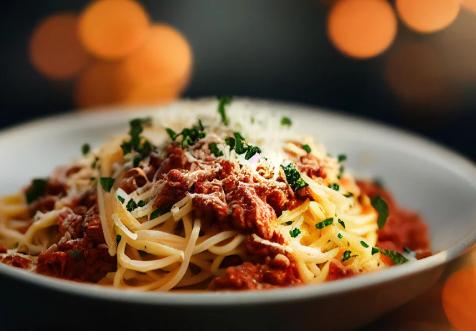
Part of what makes mushrooms such a practical superfood is how easily they integrate into existing recipes. They can be added to stir-fries, grain bowls, soups, pasta dishes, omelets, tacos, and salads. They can be used as a meat substitute in burgers, bolognese, and stuffed dishes. They can be eaten raw in salads or cooked in almost any method imaginable.

Almost every cuisine in the world — Japanese, Chinese, Italian, French, Hawaiian, Filipino, Mexican — has a tradition of cooking with mushrooms. This makes them one of the most culturally accessible healthy foods available, regardless of background or cooking tradition.

Varieties worth exploring include shiitake (particularly rich in immune-supporting lentinan), maitake (studied for blood sugar effects), oyster mushrooms (high in protein relative to other mushrooms), cremini and portobello (widely available and versatile), and reishi (used in traditional medicine for centuries).

A Simple Addition With Significant Impact

Dr. Shintani’s message is straightforward: you do not have to eat less to be healthy. You have to eat differently. Replacing calorie-dense, nutritionally empty foods with calorie-light, nutrient-rich foods like mushrooms allows you to eat satisfying, enjoyable meals while naturally moving toward a healthier weight and better blood sugar control.

Think about adding mushrooms to your next meal. They are inexpensive, widely available, easy to cook, and genuinely delicious. And as the research increasingly confirms — they are doing far more for your health than their humble appearance might suggest.


Dr. Terry Shintani is a Harvard-trained physician (MD, JD, MPH), a Living Treasure of Hawai’i, and the creator of the Waianae Diet and the Peace Diet. He continues to see patients at his Honolulu practice and shares daily health insights on YouTube.

🌿 Learn more at PeaceDiet.org | Watch the video: https://www.instagram.com/p/DahOCP_Tuu9/

Uncategorized

The 7 Best Supplements for Fatty Liver Disease — Dr. Shintani’s Next Step Guide

Posted on July 7, 2026July 7, 2026 By drshintani No Comments on The 7 Best Supplements for Fatty Liver Disease — Dr. Shintani’s Next Step Guide

In a recent video, Dr. Terry Shintani outlined his 7-step plan to reverse fatty liver disease naturally — through whole grains, whole fruit, high-fiber vegetables, avoiding fried foods, regular exercise, and sustainable weight loss. At the end of that video, he teased something many viewers have been asking about ever since: the seven supplements that may provide additional support for liver health.

This is that follow-up.

First, an important reminder: supplements work best as a complement to the dietary and lifestyle foundation, not a replacement for it. The seven steps outlined in Dr. Shintani’s previous post address the root causes of fatty liver. The supplements below support the liver’s healing process — but they cannot undo a diet that continues to damage it.

With that said, here are seven supplements with meaningful clinical evidence for supporting liver health in people with NAFLD.

1. Milk Thistle (Silymarin)

Milk thistle is the most well-researched natural supplement for liver health, with a history of medicinal use stretching back over 2,000 years. Its active compound — silymarin — is a powerful antioxidant that works through several mechanisms to protect and regenerate liver cells.

Silymarin has been shown to reduce liver inflammation, inhibit the formation of scar tissue (fibrosis), and stimulate the production of new liver cells to replace damaged ones. Multiple clinical trials have demonstrated that silymarin supplementation reduces liver enzyme levels — the primary blood markers used to assess liver damage — in people with NAFLD. It also appears to reduce insulin resistance, one of the key drivers of fatty liver accumulation.

Milk thistle is widely available, well-tolerated, and considered safe for long-term use at standard doses. It is arguably the single most evidence-backed natural supplement for liver support available.

2. Berberine

Berberine — the same plant compound discussed in relation to blood sugar control — turns out to be equally impressive for fatty liver disease. This makes sense, given that NAFLD and insulin resistance are so closely linked.

Research published in multiple journals has shown that berberine supplementation significantly reduces liver fat content, lowers liver enzyme levels, and improves insulin sensitivity in people with NAFLD. In some studies, berberine has produced results comparable to pharmaceutical interventions for fatty liver — without the side effects associated with those medications.

Berberine works in part by activating AMPK — an enzyme that acts as the body’s master metabolic switch, promoting fat burning and inhibiting fat storage in the liver. It also improves gut health, which has an important connection to liver health through what is called the gut-liver axis.

3. Vitamin E

Vitamin E is a fat-soluble antioxidant that plays a critical role in protecting cell membranes — including those of liver cells — from oxidative damage. In people with fatty liver, the liver is under significant oxidative stress, and Vitamin E’s protective effects are particularly relevant.

The American Association for the Study of Liver Diseases (AASLD) has specifically recommended Vitamin E as a treatment option for non-diabetic adults with NAFLD — one of the few natural supplements to receive this kind of mainstream clinical endorsement. Studies have shown that Vitamin E supplementation reduces liver inflammation, lowers liver enzyme levels, and in some cases produces histological improvement — meaning the liver tissue itself looks healthier under a microscope.

Natural Vitamin E (d-alpha-tocopherol) from food sources or high-quality supplements is preferable to synthetic forms. Rich food sources include almonds, sunflower seeds, and wheat germ.

4. Omega-3 Fatty Acids

Omega-3 fatty acids — EPA and DHA from marine sources, or ALA from flaxseed, chia, and walnuts — have well-documented anti-inflammatory effects that extend specifically to the liver. Research has shown that omega-3 supplementation can meaningfully reduce liver fat content, lower triglycerides, and reduce inflammation in people with NAFLD.

The mechanism is multifaceted: omega-3s reduce the liver’s own production of triglycerides, increase fat oxidation (the burning of fat for fuel), and shift the balance of inflammatory signaling molecules in the liver toward a less inflammatory state. For people following a plant-based diet, algae-based omega-3 supplements provide the same EPA and DHA found in fish oil — without the sustainability concerns or potential contaminants.

5. NAC (N-Acetyl Cysteine)

N-acetyl cysteine is a precursor to glutathione — often called the body’s master antioxidant. Glutathione is produced in the liver and plays a central role in detoxification, protecting liver cells from the oxidative damage caused by toxic compounds, excess fat, and inflammatory processes.

In people with NAFLD, glutathione levels in the liver tend to be depleted — leaving liver cells more vulnerable to damage. NAC supplementation replenishes glutathione and has been shown in clinical studies to reduce liver enzyme levels, decrease liver fat content, and improve insulin sensitivity. It is also widely used in conventional medicine — intravenous NAC is the standard treatment for acetaminophen (Tylenol) overdose, which causes acute liver damage, demonstrating its powerful liver-protective properties.

6. Curcumin (Turmeric)

Curcumin — the active compound in turmeric — has emerged as one of the most promising natural anti-inflammatory agents for liver health. Chronic low-grade inflammation is a key driver of NAFLD progression, and curcumin’s ability to inhibit multiple inflammatory pathways makes it particularly relevant.

Clinical studies have shown that curcumin supplementation reduces liver fat content, lowers liver enzyme levels, and reduces inflammatory markers in people with NAFLD. A meta-analysis of eight randomized controlled trials concluded that curcumin supplementation significantly improved liver enzyme levels and reduced markers of liver inflammation compared to placebo.

One important consideration: curcumin is poorly absorbed on its own. Combining it with black pepper extract (piperine) increases absorption by up to 2,000%. Look for supplements that include piperine, or consume turmeric in food alongside black pepper.

7. Dandelion Root

Dandelion root is one of the oldest traditional remedies for liver and digestive health, used across cultures from ancient Egypt to traditional Chinese medicine. Modern research is beginning to validate these traditional uses.

Dandelion root contains a range of bioactive compounds — including taraxacin and taraxacerin — that stimulate bile production and flow, supporting the liver’s ability to process and eliminate fats. It also has antioxidant and anti-inflammatory properties that directly protect liver cells. Animal studies have shown that dandelion root extract significantly reduces fat accumulation in the liver, and preliminary human research supports its role in reducing liver enzyme levels and supporting overall liver function.

Dandelion root is widely available as a tea, tincture, or capsule supplement — making it one of the most accessible options on this list. It is also safe for most people at standard doses, though those with gallbladder issues should check with their doctor first.

Putting It All Together

These seven supplements — milk thistle, berberine, Vitamin E, omega-3s, NAC, curcumin, and dandelion root — each address different aspects of fatty liver disease: inflammation, oxidative stress, insulin resistance, fat accumulation, and liver cell regeneration. Used together as part of a comprehensive approach, they may meaningfully accelerate the liver’s healing process.

But they are most effective when layered on top of the dietary foundation that Dr. Shintani has long championed: whole grains, whole fruit, high-fiber vegetables, minimal fat, regular exercise, and sustainable weight loss. The supplements support the process — the lifestyle changes drive it.

If you have been diagnosed with NAFLD or have elevated liver enzymes, speak with your doctor before starting any of these supplements — particularly if you are taking medications, as some supplements can interact with prescription drugs.

Your liver is one of the most resilient organs in the body. Give it the right support, and it will heal.


Dr. Terry Shintani is a Harvard-trained physician (MD, JD, MPH), a Living Treasure of Hawai’i, and the creator of the Waianae Diet and the Peace Diet. He continues to see patients at his Honolulu practice and shares daily health insights on YouTube.

🌿 Learn more at PeaceDiet.org | Watch today’s video: https://www.instagram.com/reel/DafSnTOTcSg/

📖 Also read: The Most Common Liver Disease in America — And How to Reverse It Naturally: https://drshintani.com/2026/06/28/the-most-common-liver-disease-in-america-and-how-to-reverse-it-naturally/

The good news is that fatty liver is highly reversible — and the steps to reverse it are the same steps that improve nearly every other aspect of metabolic health. Here is Dr. Shintani’s 7-step plan.

Step 1 — Eat More Whole Grains Instead of Processed Flour Products

White bread, pastries, crackers, and most commercial baked goods are made from refined flour — grain that has been stripped of its fiber and nutrients, leaving behind a product that behaves almost identically to sugar in the body. When consumed, refined flour raises blood sugar rapidly, triggering an insulin response that directs the liver to convert excess glucose into fat.

Whole grains — brown rice, oats, barley, quinoa, whole wheat — digest much more slowly due to their intact fiber. This means a gentler rise in blood sugar, less insulin, and far less fat being deposited in the liver. Even a simple swap from white rice to brown rice, or from white bread to oat-based alternatives, makes a measurable difference over time.

Step 2 — Eat Whole Fruit Instead of Sugary Foods and Beverages

Fructose — the natural sugar found in fruit — has a direct pathway to the liver for processing. In small amounts, this is perfectly manageable. But when fructose arrives in large quantities — as it does in sugary drinks, sweetened juices, sodas, and processed desserts — the liver cannot keep up, and the excess is converted to fat.

Whole fruit, by contrast, comes packaged with fiber, water, and other compounds that slow fructose absorption significantly. Eating an apple is metabolically very different from drinking apple juice. The fiber in whole fruit acts as a natural brake on how fast sugar reaches the liver. Choosing whole fruit over processed sweets is one of the most impactful shifts for liver health.

Step 3 — Eat More High-Fiber Vegetables

High-fiber vegetables are among the liver’s best friends. Their fiber content slows the absorption of both sugar and fat from the digestive tract — meaning less of each reaches the liver in a concentrated surge. They also feed beneficial gut bacteria that produce short-chain fatty acids, compounds that have been shown to reduce liver inflammation and support healthy liver cell function.

Dark leafy greens, cruciferous vegetables like broccoli and cauliflower, asparagus, artichokes, and legumes are all particularly valuable. Aim to fill at least half of every plate with non-starchy, high-fiber vegetables — this single habit alone can dramatically reduce the burden on the liver over time.

Step 4 — Avoid Oily and Fried Foods, Especially Trans and Saturated Fats

Dietary fat — particularly saturated fat from animal products and trans fats from processed and fried foods — is directly stored in the liver when consumed in excess. This is one of the most direct pathways to fatty liver accumulation.

Fried foods are doubly problematic: the high-fat cooking method concentrates calories dramatically, and the oils often used in commercial frying contain trans fats or oxidized fats that are particularly inflammatory to liver tissue. Cutting out fried foods — chips, french fries, fried chicken, doughnuts — and replacing them with baked, steamed, or raw alternatives is one of the fastest ways to reduce liver fat.

Step 5 — Exercise to Burn Off Excess Calories

Physical activity plays a direct role in liver health — and not just through weight loss. Exercise increases the rate at which the body burns glucose and fatty acids for fuel, drawing on the very stores that would otherwise accumulate in the liver. Even moderate exercise — walking, swimming, cycling — has been shown to reduce liver fat independently of weight loss.

Studies have shown that regular aerobic exercise can reduce liver fat content by 20-30% even when body weight doesn’t change significantly. The mechanism is direct: active muscles demand glucose and fat for fuel, pulling both away from the liver. For people with fatty liver, the research consistently shows that any exercise is better than none — and that consistency matters more than intensity.

Step 6 — Lose Weight

Excess body fat — particularly visceral fat stored around the abdomen — is closely linked to fatty liver. Visceral fat is metabolically active, releasing inflammatory compounds and fatty acids directly into the portal vein, which feeds the liver. Even modest weight loss of 5-10% of body weight has been shown to significantly reduce liver fat and improve liver enzyme levels in people with NAFLD.

The encouraging reality is that steps 1 through 5 — when followed consistently — naturally produce weight loss without calorie counting or food restriction. The Peace Diet approach, which allows people to eat satisfying amounts of whole, plant-centered foods while naturally consuming fewer calories, was specifically designed to produce this kind of effortless, sustainable weight loss.

Step 7 — Consider Supplements

Certain supplements have demonstrated specific benefits for liver health and may provide additional support alongside the dietary and lifestyle changes above. Dr. Shintani will be sharing a dedicated post on seven supplements for fatty liver — watch for that in his next video and blog post.

As always, discuss any supplements with your doctor before starting, particularly if you are taking other medications or have existing liver conditions.

The Bottom Line

Fatty liver is not a life sentence. It is a lifestyle disease — and lifestyle is something you can change. The liver is one of the most regenerative organs in the body. Given the right conditions — whole foods, adequate fiber, regular movement, reduced fat and sugar — it can begin to heal remarkably quickly, sometimes showing measurable improvement within just a few weeks.

These seven steps are not complicated. They do not require expensive supplements, special equipment, or radical deprivation. They require a consistent commitment to eating real food and moving your body — the same principles that have guided Dr. Shintani’s clinical practice for over three decades.

Start with one step today. Your liver is ready to heal.


Dr. Terry Shintani is a Harvard-trained physician (MD, JD, MPH), a Living Treasure of Hawai’i, and the creator of the Waianae Diet and the Peace Diet. He continues to see patients at his Honolulu practice and shares daily health insights on YouTube.

🌿 Learn more at PeaceDiet.org | Watch the video: https://www.instagram.com/reel/DafSnTOTcSg/

Uncategorized

Got High Blood Pressure? 5 Natural Supplements That May Help

Posted on July 6, 2026July 6, 2026 By drshintani No Comments on Got High Blood Pressure? 5 Natural Supplements That May Help

High blood pressure — or hypertension — affects nearly half of all American adults. It is one of the leading risk factors for heart attack, stroke, kidney disease, and early death. And yet, for most people, it is also one of the most controllable conditions available — particularly through diet and lifestyle changes.

As Dr. Terry Shintani has emphasized throughout his career, the most effective long-term approach to blood pressure control is a whole-food, plant-based diet combined with regular movement, stress management, and adequate sleep. The Peace Diet, with its emphasis on low-fat, low-glycemic, minimally processed foods, directly addresses the root causes of hypertension — inflammation, arterial stiffness, excess weight, and insulin resistance.

But for those who need a little extra support alongside a healthy lifestyle — or who are in the process of transitioning their diet — certain natural supplements have a meaningful body of evidence behind them. Here are five worth discussing with your doctor.

1. CoQ10 (Coenzyme Q10)

CoQ10 is a naturally occurring antioxidant produced in every cell of the body, where it plays a central role in energy production. As we age, CoQ10 levels decline — and research has linked low CoQ10 to increased oxidative stress and inflammation, both of which contribute to arterial damage and elevated blood pressure.

Multiple clinical studies have shown that CoQ10 supplementation can produce modest but meaningful reductions in both systolic and diastolic blood pressure. A meta-analysis of 12 randomized controlled trials found an average reduction of approximately 11 points in systolic pressure among participants taking CoQ10. It is also widely used alongside statin medications, which are known to deplete CoQ10 levels in the body.

2. Beet Extract

Beetroot and beet extract have attracted significant research attention in recent years for their high concentration of dietary nitrates. When consumed, these nitrates are converted in the body to nitric oxide — a molecule that signals the smooth muscle cells lining blood vessels to relax and dilate. The result is improved blood flow and reduced pressure on arterial walls.

Studies have shown that even a single dose of beetroot juice can produce a measurable reduction in blood pressure within hours. Regular consumption appears to sustain these effects over time. Beet extract supplements provide a concentrated, convenient form of the same nitrates found in whole beets — without the need to juice vegetables daily.

3. Magnesium

Magnesium is one of the most essential minerals in the human body, involved in over 300 enzymatic reactions. One of its most important roles is supporting the production and function of nitric oxide — the same molecule that beet extract helps stimulate. When magnesium levels are low, nitric oxide activity is impaired, blood vessels constrict, and blood pressure rises.

Studies consistently show that magnesium deficiency is associated with higher blood pressure, and that supplementation can help bring it down — particularly in people who are already deficient. The typical Western diet, high in processed foods and low in vegetables and whole grains, tends to be poor in magnesium. A diet based on the Peace Diet principles, rich in legumes, leafy greens, nuts, and whole grains, naturally provides more magnesium — but supplementation can be valuable for those with low levels.

4. Hawthorn

Hawthorn is one of the oldest medicinal plants in the world, used for centuries in traditional European and Asian medicine for heart and circulatory conditions. Modern research is beginning to confirm what traditional healers long observed: hawthorn contains potent flavonoids and oligomeric proanthocyanidins (OPCs) that improve the function of the heart muscle, dilate coronary arteries, and reduce peripheral vascular resistance — all of which contribute to lower blood pressure.

Clinical trials have shown hawthorn to be effective in reducing both systolic and diastolic blood pressure, and it appears particularly beneficial for people with mild to moderate hypertension. Unlike some pharmaceutical options, hawthorn has a strong safety profile with very few reported side effects at standard doses. It is one of the few herbal remedies with sufficient clinical evidence to be included in some European clinical guidelines for heart health.

5. Hibiscus Tea

Perhaps the most accessible supplement on this list, hibiscus tea is made from the dried petals of the Hibiscus sabdariffa flower and has been consumed for centuries in cultures across Africa, the Caribbean, and Central America — many of which have long recognized its heart-supporting properties.

The mechanism behind hibiscus’s blood pressure effects is particularly interesting: research has identified that hibiscus acts as a natural ACE inhibitor. ACE (angiotensin-converting enzyme) inhibitors are a major class of prescription blood pressure medications — they work by blocking a pathway that causes blood vessels to constrict. Hibiscus appears to do something similar through its anthocyanin and organic acid content.

A study published in the Journal of Nutrition found that consuming three cups of hibiscus tea daily for six weeks significantly reduced systolic blood pressure in pre-hypertensive and mildly hypertensive adults — a result comparable to some low-dose pharmaceutical interventions. Hibiscus tea is widely available, inexpensive, and pleasant-tasting, making it one of the easiest natural additions to a blood pressure management routine.

An Important Note

These five supplements are not replacements for medical care or the foundational dietary and lifestyle changes that address the root causes of hypertension. If you are currently taking blood pressure medication, do not adjust your dosage without consulting your physician — some of these supplements can interact with medications and may require monitoring.

As always, Dr. Shintani’s first recommendation remains the same: eat well, move your body, manage stress, and let food be your medicine. These supplements work best as a complement to that foundation — not a substitute for it.


Dr. Terry Shintani is a Harvard-trained physician (MD, JD, MPH), a Living Treasure of Hawai’i, and the creator of the Waianae Diet and the Peace Diet. He continues to see patients at his Honolulu practice and shares daily health insights on YouTube.

🌿 Learn more at PeaceDiet.org | Watch the video: https://www.instagram.com/p/DacGus6z-Lg/

Uncategorized

Posts pagination

Previous 1 … 4 5 6 … 29 Next

About Dr. Shintani

Dr. Terry Shintani, MD, JD, MPH is a Board Certified Physician and Harvard-trained
nutritionist. His wellness program won a national award from the U.S. Secretary of
Health and Human Services and his peer-reviewed work is published in the American Journal of
Clinical Nutrition and several other scientific journals.  He also was featured in “Dateline NBC”,
CBS, “This Morning” CNN, Fox and  Newsweek  His Program is featured in the Encyclopedia
Britannica.  He has written 16 books including the Eat More Weigh Less(r) Diet, the Hawaii
Diet, the Carbohydrate revolution and the Peace Diet. Among his many community awards, He
was named a “Food Hero” by Eating Well Magazine, He was knighted by the Orthodox Order of
St. John, and formally designated a “Living Treasure” of Hawaii.

Read More

Search

  • Home
  • Blog
  • Join Us
  • PeaceDiet

Find Us

HAWAII HEALTH FOUNDATION

50 S.Beretania St. C-119B Honolulu, HI 96813

Email: mail@eHealthAndYou.com

Age Calculator

image

Copyright © 2026 Dr.Shintani.

Powered by PressBook WordPress theme