






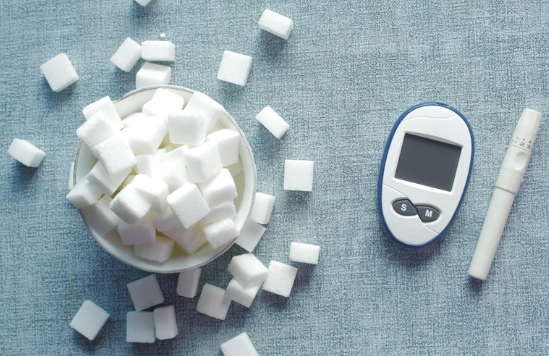
If you have been told your blood sugar is higher than normal — but not yet high enough to be called diabetes — you are not alone. More than 96 million American adults have prediabetes, and the vast majority don’t even know it. Left unaddressed, prediabetes progresses to type 2 diabetes in a significant number of cases, bringing with it a cascade of serious health complications: heart disease, kidney failure, nerve damage, and vision loss.
But here is what most people are never told at the doctor’s office: prediabetes is not a one-way door. The progression from prediabetes to diabetes is not inevitable. And one of the most compelling natural tools available for reversing that trajectory has been used in traditional medicine for thousands of years.
It is called fenugreek — and modern science is now confirming what ancient healers long knew.
What Is Fenugreek?
Fenugreek is an herb and spice that has been cultivated and used medicinally across India, the Middle East, and North Africa for centuries. Its seeds are rich in soluble fiber, plant protein, and a unique amino acid called 4-hydroxyisoleucine, which researchers believe plays a significant role in regulating insulin secretion and improving the body’s sensitivity to insulin.
In traditional Ayurvedic and Middle Eastern medicine, fenugreek has long been used to support digestion, reduce inflammation, and — notably — manage blood sugar. What is remarkable is how precisely modern clinical research is now validating these traditional uses.
The Science: A 76% Reduction in Diabetes Risk
One of the most striking studies on fenugreek and prediabetes followed participants over several years, comparing those who took fenugreek supplements with those who did not. The results were significant: those who took fenugreek reduced their risk of progressing from prediabetes to full type 2 diabetes by approximately 76%.
That is not a modest effect. For context, some of the most widely prescribed medications for prediabetes show risk reductions in the range of 30–50%. Fenugreek, a natural seed that has been available in kitchens and herb markets for millennia, outperformed those numbers in clinical trials.
Beyond blood sugar, the research also showed that fenugreek helped reduce LDL cholesterol — the so-called “bad” cholesterol that accumulates in artery walls and contributes to heart disease. Since people with prediabetes are already at elevated cardiovascular risk, this dual benefit makes fenugreek particularly valuable.
How Fenugreek Works
Researchers believe fenugreek works through several complementary mechanisms:
Its high soluble fiber content slows the absorption of carbohydrates in the digestive tract, preventing the sharp post-meal blood sugar spikes that stress the pancreas and accelerate the progression toward diabetes.
The unique amino acid 4-hydroxyisoleucine appears to directly stimulate insulin secretion from the pancreas in a glucose-dependent way — meaning it helps the body produce more insulin when blood sugar is high, without causing dangerous drops when blood sugar is normal.
Additionally, fenugreek’s anti-inflammatory properties may help protect the beta cells of the pancreas — the cells responsible for producing insulin — from the oxidative stress that contributes to their gradual decline in type 2 diabetes.
How to Use Fenugreek
Fenugreek is available in several forms — as a whole seed, a ground spice, a capsule supplement, or a tea. In culinary traditions across South Asia, fenugreek seeds are commonly soaked overnight in water and consumed in the morning, or ground into spice blends used in everyday cooking.
As with any supplement, it is important to discuss fenugreek with your physician before adding it to your routine, particularly if you are already taking medication for blood sugar or cholesterol. Dr. Shintani’s approach has always been to use natural interventions as part of a comprehensive lifestyle program — not as a replacement for good diet and physical activity, but as a powerful complement to them.
The Bigger Picture
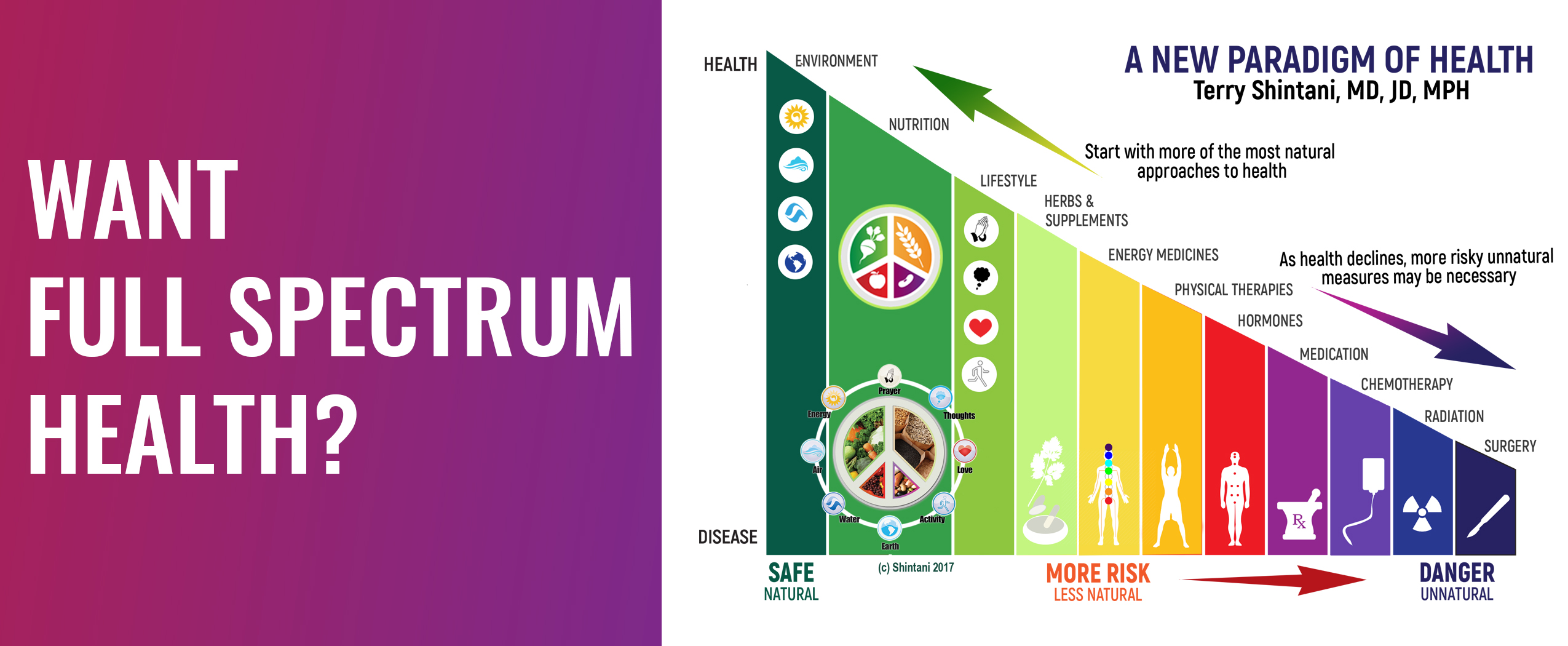
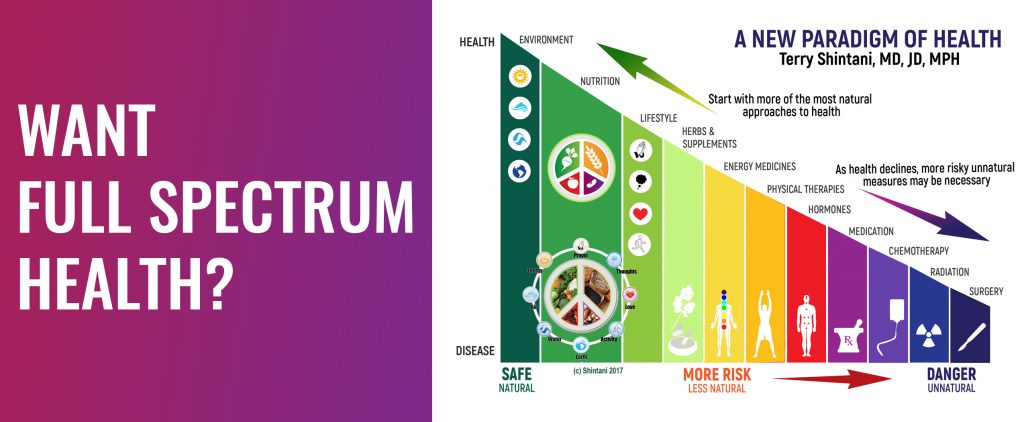
Fenugreek is one of many natural tools that Dr. Shintani has incorporated into his integrative approach to preventing and reversing chronic disease. The Peace Diet — centered on whole, plant-based, low-fat, low-glycemic foods — addresses the root causes of prediabetes and type 2 diabetes more comprehensively than any single herb or supplement can.
But the evidence for fenugreek is strong enough, and the safety profile favorable enough, that it deserves a place in the conversation — particularly for the tens of millions of people who are watching their blood sugar climb and wondering what they can do before it becomes a diagnosis.
Prediabetes is a warning, not a verdict. The body has a remarkable capacity to heal when given the right support.
Dr. Terry Shintani is a Harvard-trained physician (MD, JD, MPH), a Living Treasure of Hawai’i, and the creator of the Waianae Diet and the Peace Diet. He continues to see patients at his Honolulu practice and shares daily health insights on YouTube.
🌿 Learn more at PeaceDiet.org | Watch the video: IG link here