


If you’ve been struggling to lose weight despite eating less and exercising more, the answer may not be your willpower. It may be living inside your gut.
Scientists now understand that the trillions of bacteria living in your digestive system — collectively called the gut microbiome — play a powerful role in how your body stores fat, controls hunger, and manages blood sugar. And what you eat every single day is either feeding the good bacteria or feeding the bad ones.
Your Gut Is Not Just for Digestion
Most people think of the gut as a simple food-processing system. But research over the past two decades has revealed something far more fascinating. Your gut microbiome acts almost like a second brain — communicating directly with your metabolism, your immune system, and even your mood.
When the balance of bacteria in your gut is off (a condition called dysbiosis), the consequences can include:
- Increased fat storage, especially around the belly
- Stronger cravings for sugar and processed foods
- Chronic low-grade inflammation that makes weight loss harder
- Poor blood sugar regulation that leads to energy crashes and overeating
In other words, an unhealthy gut can quietly work against every effort you make to lose weight.
What Feeds the Good Bacteria?
This is where traditional plant-based diets shine — and it’s something I’ve observed clinically for decades.
The good bacteria in your gut thrive on fiber — the kind found abundantly in vegetables, fruits, legumes, and whole grains. When you eat fiber-rich plant foods, these bacteria ferment the fiber and produce short-chain fatty acids that reduce inflammation, regulate appetite hormones, and support healthy metabolism.
The traditional Hawaiian and Asian diets that inspired the Peace Diet are naturally rich in these foods. Taro, sweet potato, brown rice, leafy greens, beans — these aren’t just cultural staples. They are, from a microbiome science perspective, some of the best foods you can eat for gut health and weight management.
What Hurts the Good Bacteria?
Equally important is knowing what disrupts the microbiome. The biggest culprits are:
- Ultra-processed foods high in sugar and refined carbohydrates
- Saturated fat from animal products, which feeds pro-inflammatory bacteria
- Antibiotics (necessary sometimes, but disruptive to gut flora)
- Artificial sweeteners, which research suggests alter the microbiome in ways that paradoxically increase blood sugar
The standard Western diet — high in meat, dairy, processed snacks, and refined carbs — is essentially a poor diet for your gut bacteria. And a poor gut environment makes sustained weight loss extremely difficult, no matter how hard you try.
The Peace Diet Approach
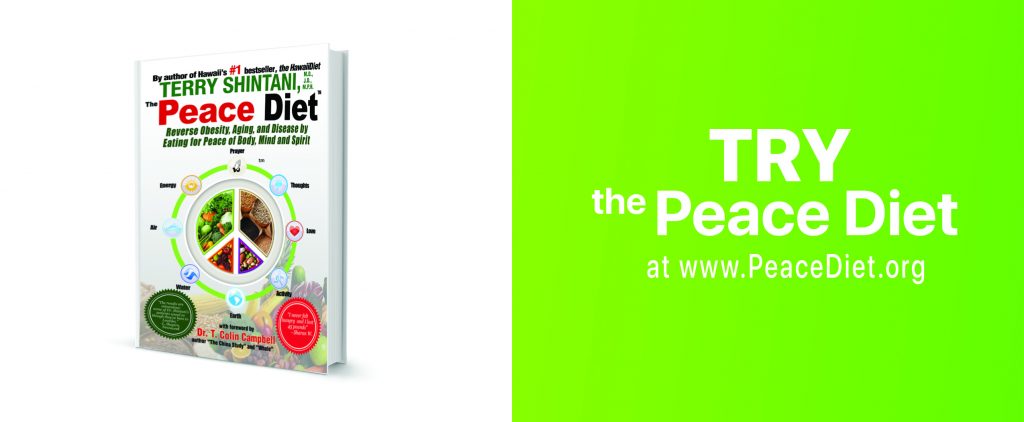
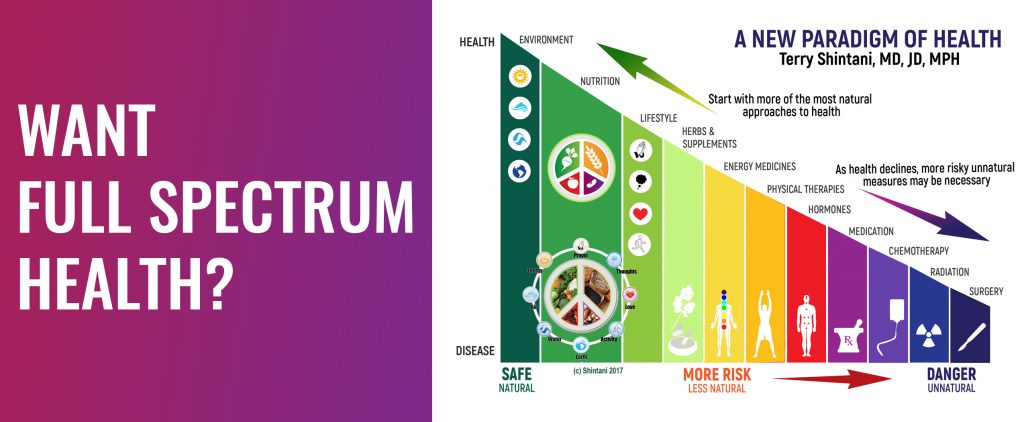
The Peace Diet is not a calorie-counting program. It’s a return to eating the way human beings ate for thousands of years — whole, plant-based foods that work with your body’s natural systems rather than against them.
When patients shift to this way of eating, I consistently see improvements that go far beyond the scale — better energy, reduced inflammation, improved blood sugar, and yes, natural, sustainable weight loss. Not because of restriction, but because the body — and the gut — finally has what it needs to function properly.
A Simple Place to Start
You don’t need to overhaul your entire diet overnight. Start with one change: add one serving of fiber-rich plant food to every meal. A handful of beans. A side of leafy greens. A bowl of brown rice or taro. These small additions begin feeding your good gut bacteria immediately.
Your gut is not your enemy. With the right food, it becomes one of your most powerful allies in achieving and maintaining a healthy weight.
Dr. Terry Shintani is a physician, nutritionist, and author based in Honolulu, Hawaii. He is the creator of the Peace Diet and has spent over three decades helping patients reverse chronic disease through plant-based nutrition. Learn more at drshintani.com.