

Ozempic. Wegovy. Mounjaro. Over the past two years, GLP-1 receptor agonist drugs — commonly known by their brand names — have become some of the most prescribed and most talked-about medications in the world. Celebrities have credited them with dramatic weight loss. Pharmaceutical companies are reporting record profits. And millions of people with diabetes and obesity are turning to these drugs as a first-line solution.
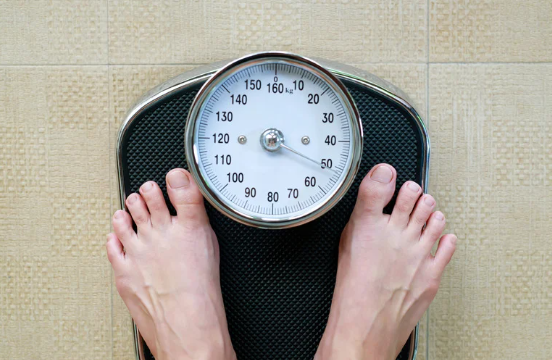
But there is a question that is not being asked loudly enough: when is weight loss not healthy?
Dr. Terry Shintani, a board-certified physician and Harvard-trained nutritionist who has spent decades helping patients achieve sustainable weight loss through diet and lifestyle, believes the conversation around GLP-1 drugs is missing something critical — and that the most important thing is not whether these drugs work, but whether the weight loss they produce is truly good for the body.
What GLP-1 Drugs Actually Do
GLP-1 stands for glucagon-like peptide-1 — a hormone naturally produced in the gut after eating that signals the brain to feel full, stimulates insulin secretion, and slows the emptying of the stomach. Drugs like semaglutide (Ozempic, Wegovy) and tirzepatide (Mounjaro) work by mimicking or enhancing this hormone’s effects — essentially suppressing appetite, improving blood sugar regulation, and inducing weight loss.
On paper, this sounds straightforward. And for many patients, these drugs do produce meaningful results: lower blood sugar, significant weight reduction, and in some studies, reduced cardiovascular risk. They are legitimate medical tools, and Dr. Shintani acknowledges their value — particularly for patients with severe obesity or poorly controlled type 2 diabetes who have not responded to lifestyle interventions alone.
But the full picture is more complicated.
The Hidden Risks of Drug-Induced Weight Loss
1. Malnutrition from suppressed appetite
GLP-1 drugs work primarily by making people not want to eat. While this sounds appealing to anyone who has struggled with overeating, the problem is that the body still needs adequate nutrition — protein, essential fats, vitamins, and minerals — to function properly. When appetite is suppressed dramatically, many people are not getting enough of these essential nutrients, even as the number on the scale drops.
The result can be nutritional deficiencies that affect energy levels, immune function, bone density, and organ health — none of which show up immediately, but accumulate over time.
2. Muscle loss and sagging skin
Rapid weight loss — regardless of how it is achieved — carries the risk of losing lean muscle mass along with fat. When the body is not receiving adequate protein and is losing weight quickly, it often breaks down muscle tissue for energy. This leads to what is sometimes called “Ozempic face” or “Ozempic body” — the sagging, deflated appearance that many people report after significant drug-induced weight loss.
Muscle loss is not just cosmetic. Muscle tissue is metabolically active — it burns calories at rest, supports insulin sensitivity, and protects joints and bones. Losing it accelerates aging and makes weight regain more likely when the drug is stopped.
3. Increased risk of serious medical conditions
This is perhaps the most sobering part of the conversation. GLP-1 receptor agonist drugs carry FDA warnings for several potentially serious conditions:
- Thyroid cancer — animal studies showed an increased risk of thyroid C-cell tumors with semaglutide; while the evidence in humans is still evolving, the FDA requires a black box warning on these medications
- Pancreatitis — inflammation of the pancreas, which can be severe and life-threatening, has been reported in some patients taking GLP-1 drugs
- Hormone-producing tumors — these drugs have been associated with an increased risk of certain endocrine tumors in some studies
These are not guaranteed outcomes — most people taking these medications do not experience these complications. But they are real risks that deserve to be weighed carefully, particularly for patients who are taking these drugs primarily for weight loss rather than for a serious metabolic disease.
4. What happens when you stop?
Research consistently shows that when GLP-1 drugs are discontinued, a significant portion of the weight lost is regained — often within months. This is because the drugs do not address the underlying dietary and lifestyle patterns that led to weight gain in the first place. They suppress appetite artificially; when that suppression is removed, appetite returns, and so does the weight.
This creates a troubling dynamic: to maintain the weight loss, patients may need to stay on these drugs indefinitely — with ongoing costs, ongoing side effect risks, and no sustainable change in how they relate to food.
The Natural Alternative
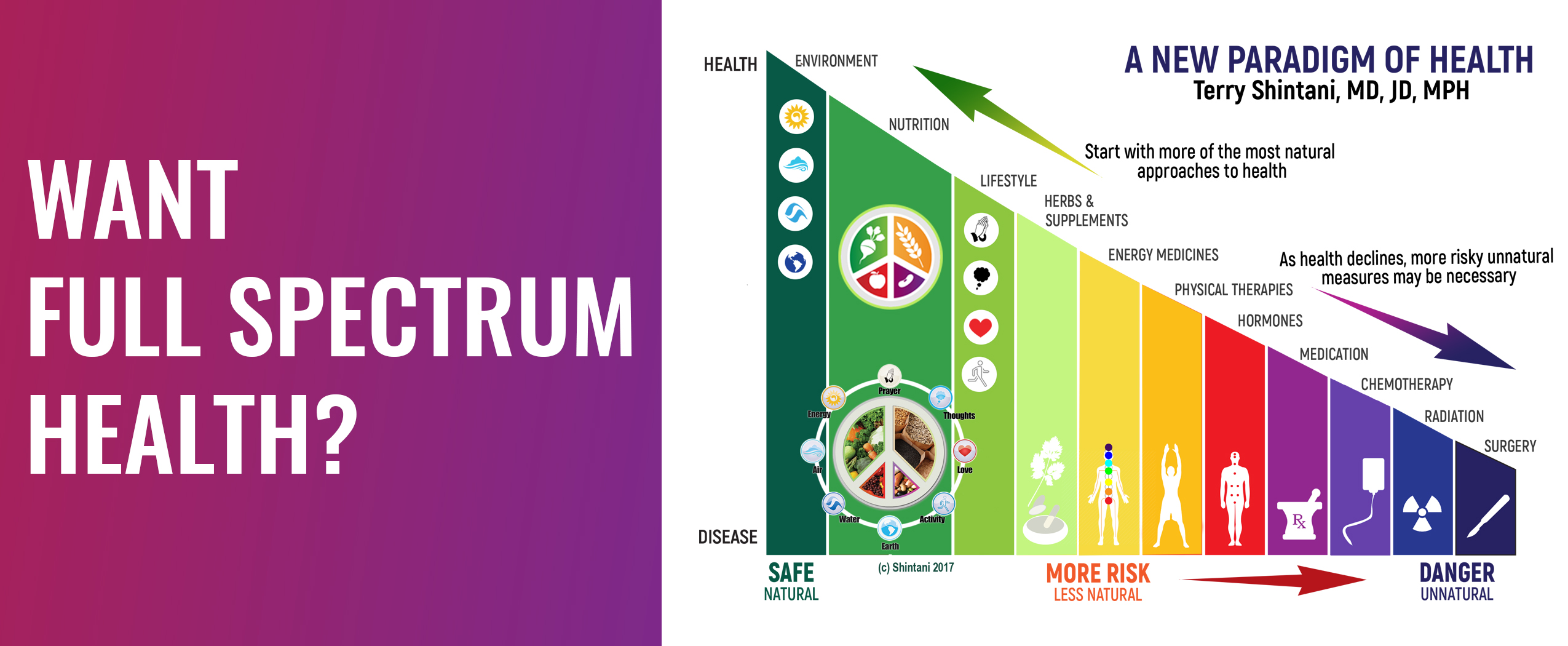
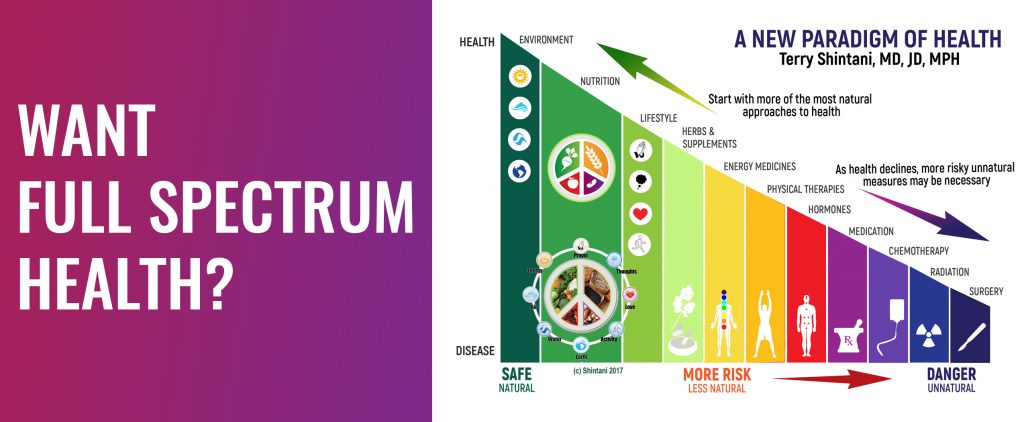
Dr. Shintani has spent his career demonstrating what is possible when weight loss is achieved the right way — through a whole-food, plant-based, low-fat, low-glycemic dietary approach that works with the body’s natural systems rather than overriding them.
In his clinical programs, patients have lost significant weight — an average of 11-17 pounds in just three weeks in the Waianae Diet program — while eating more food, not less. Their blood sugar normalized. Their cholesterol dropped. Their blood pressure improved. And because the changes were rooted in real food and sustainable habits, the results lasted.
This approach does not carry the risks of malnutrition, muscle loss, thyroid cancer, or pancreatitis. Its side effects are energy, better sleep, improved mental clarity, and a longer life.
The Bottom Line
GLP-1 drugs like Ozempic and semaglutide are useful tools for specific patients in specific circumstances. They are not inherently bad — but they are being positioned as a universal solution to a problem that has a better, safer, more sustainable answer.
Weight loss is not always healthy. How you lose the weight matters as much as how much you lose. And for the vast majority of people, the most powerful, safest, and most lasting path to a healthy weight is still the one that starts with what is on your plate.
Get started with the Peace Diet today — a free eBook is available at PeaceDiet.org.
Dr. Terry Shintani is a Harvard-trained physician (MD, JD, MPH), a Living Treasure of Hawai’i, and the creator of the Waianae Diet and the Peace Diet. He continues to see patients at his Honolulu practice and shares daily health insights on YouTube.
🌿 Learn more at PeaceDiet.org | Watch the video: https://www.instagram.com/p/DaZtltzTzWY/