




Stomach pain. A burning sensation that gnaws at you between meals. Discomfort that worsens when you eat certain foods and briefly improves when you eat others. These are the hallmark symptoms of gastritis and peptic ulcers — conditions that affect millions of people worldwide and are among the most common reasons people visit their doctor.

For decades, the standard medical explanation for peptic ulcers was stress and spicy food. We now know better. Between 80 and 90 percent of peptic ulcers are connected to a specific acid-resistant bacterium called Helicobacter pylori — commonly known as H. pylori — a spiral-shaped organism that burrows into the protective mucus lining of the stomach and duodenum, allowing stomach acid to damage the tissue underneath.
When H. pylori is identified, the standard treatment is a course of antibiotics combined with antacid medications. This approach is effective — but it is not the whole story. Antibiotics disrupt the entire gut microbiome, not just the H. pylori bacteria. And antacids, while providing short-term relief, do not address the underlying conditions that allowed H. pylori to take hold in the first place.
Dr. Terry Shintani’s approach, as always, goes deeper — addressing the dietary and lifestyle factors that either promote or prevent gastric damage, reduce the risk of H. pylori establishing itself, and support the stomach lining’s natural ability to heal.
Here are five things you can do to prevent gastritis and peptic ulcers — and to hasten healing and prevent recurrence if you have already been diagnosed.
1. Eat Plenty of Well-Cooked Oatmeal, Brown Rice, Barley, or Poi
The stomach lining — called the gastric mucosa — is protected by a layer of mucus that acts as a buffer between the acidic environment of the stomach and the delicate tissue underneath. When this mucus layer is damaged or depleted, the stomach becomes vulnerable to irritation, inflammation, and ulceration.
Certain whole grain foods provide a natural, soothing coating that supports and complements the stomach’s own protective mucus layer. Well-cooked oatmeal is particularly valuable — its soluble fiber, beta-glucan, forms a viscous gel that coats and soothes the stomach lining, reducing irritation and creating a protective environment for healing. Brown rice and barley provide similar protective benefits through their fiber content and gentle, non-acidic nature.
For those in Hawaii, poi — the traditional Hawaiian staple made from taro — deserves special mention. Poi has an extremely low acid load, a smooth, easily digestible texture, and a fiber content that supports gut health. It has been used historically in Hawaii as a gentle, healing food for people with digestive conditions — and its benefits are now being recognized in nutritional research.
Well-cooked grains are particularly important — cooking breaks down the fibrous structure of these foods, making them easier to digest and reducing any potential for irritation in an already inflamed stomach.
2. Eat Plenty of Cooked Vegetables
Raw vegetables, while nutritious, can be difficult for an inflamed stomach to process — their rough texture and high fiber content can irritate already sensitive gastric tissue. Cooked vegetables, by contrast, provide the same nutritional benefits in a form that is much gentler on the digestive system.
Certain cooked vegetables have specific benefits for gastric health. Broccoli and other cruciferous vegetables contain sulforaphane — the same compound studied at Johns Hopkins for its cancer-fighting properties — which has also been shown in research to inhibit H. pylori directly. Cabbage juice, famously, has a long history of use as a traditional remedy for ulcers, and modern research has confirmed that cabbage contains compounds that stimulate the production of the stomach’s protective mucus layer.
Sweet potato, pumpkin, and other orange and yellow vegetables are rich in beta-carotene, which supports the health and regeneration of the cells lining the digestive tract. Steamed or boiled, these vegetables provide powerful protective compounds without the digestive challenge of raw fiber.
3. Chew Well
This may seem like simple advice — but it is one of the most clinically significant things a person with gastritis or peptic ulcer disease can do, and it is almost universally ignored.
Digestion begins in the mouth. Chewing thoroughly breaks food down into smaller particles, mixes it with saliva (which contains digestive enzymes and antibacterial compounds), and significantly reduces the workload on the stomach. When food arrives in the stomach inadequately chewed, the stomach must work harder — producing more acid and contracting more forcefully — to break it down. This increased acid production and mechanical stress aggravates an already inflamed stomach lining.
Beyond the mechanical benefits, thorough chewing makes the fiber in vegetables and whole grains physically available to the beneficial bacteria in the gut — the friendly flora that compete with H. pylori for space in the digestive tract. A well-chewed meal feeds the right bacteria, supports a healthy microbiome, and reduces the environmental conditions that allow H. pylori to thrive.
A practical guideline: aim to chew each mouthful 20-30 times before swallowing, and put your utensils down between bites to slow the pace of eating.
4. Limit Dairy and Animal Protein
This recommendation surprises many people — particularly those who have been told that milk soothes an ulcer. While dairy does provide temporary relief by coating the stomach and neutralizing acid briefly, it then triggers a rebound effect: the protein and calcium in milk stimulate increased acid production, making the underlying condition worse.
Animal proteins in general — meat, poultry, fish, eggs, and dairy — are among the strongest stimulants of stomach acid production. The body requires high levels of acid to break down animal protein, and for someone with an already inflamed stomach lining, this sustained acid production prolongs irritation and delays healing.
This does not mean complete elimination of all animal protein is necessary for everyone — but significantly reducing intake, particularly during active gastritis or ulcer flares, can make a meaningful difference in symptom severity and healing time. Plant proteins — legumes, tofu, tempeh, and well-cooked grains — are far gentler on the stomach and support healing rather than hindering it.
Highly spiced foods, coffee, alcohol, and carbonated beverages should also be minimized, as all of these stimulate acid production and can directly irritate the gastric mucosa.
5. Take Probiotics — Especially If You Are on Antibiotics
The gut microbiome — the community of trillions of bacteria living in the digestive tract — plays a critical role in protecting against H. pylori and supporting gastric health. A diverse, healthy microbiome creates a competitive environment that makes it more difficult for H. pylori to establish itself and proliferate.
When antibiotics are prescribed for H. pylori, they are effective at eliminating the bacteria — but they also significantly disrupt the broader gut microbiome, wiping out many of the beneficial bacteria that protect the stomach and digestive tract. This disruption can lead to digestive side effects, increased susceptibility to other infections, and potentially a higher risk of H. pylori recurrence if the microbiome does not recover adequately.
Probiotic supplementation — particularly strains of Lactobacillus and Bifidobacterium — has been shown in multiple clinical studies to reduce the side effects of antibiotic treatment for H. pylori, improve eradication rates when taken alongside antibiotics, and support the restoration of a healthy gut microbiome after treatment.
Fermented foods — miso, tempeh, kimchi, and yogurt (plant-based, for those minimizing dairy) — also provide beneficial bacteria that support gut health. Incorporating these foods regularly, alongside a probiotic supplement during and after antibiotic treatment, gives the gut the best chance of full microbiome recovery.
The Bigger Picture
Gastritis and peptic ulcers are not random misfortunes. They develop in an environment — a gut microbiome under stress, a stomach lining weakened by poor diet and inadequate fiber, an immune system compromised by chronic inflammation — that makes H. pylori’s job easier.
The five steps above address that environment directly. They support the stomach’s natural protective mechanisms, feed the beneficial bacteria that compete with H. pylori, reduce the acid burden on an inflamed stomach, and promote the conditions for healing rather than further damage.
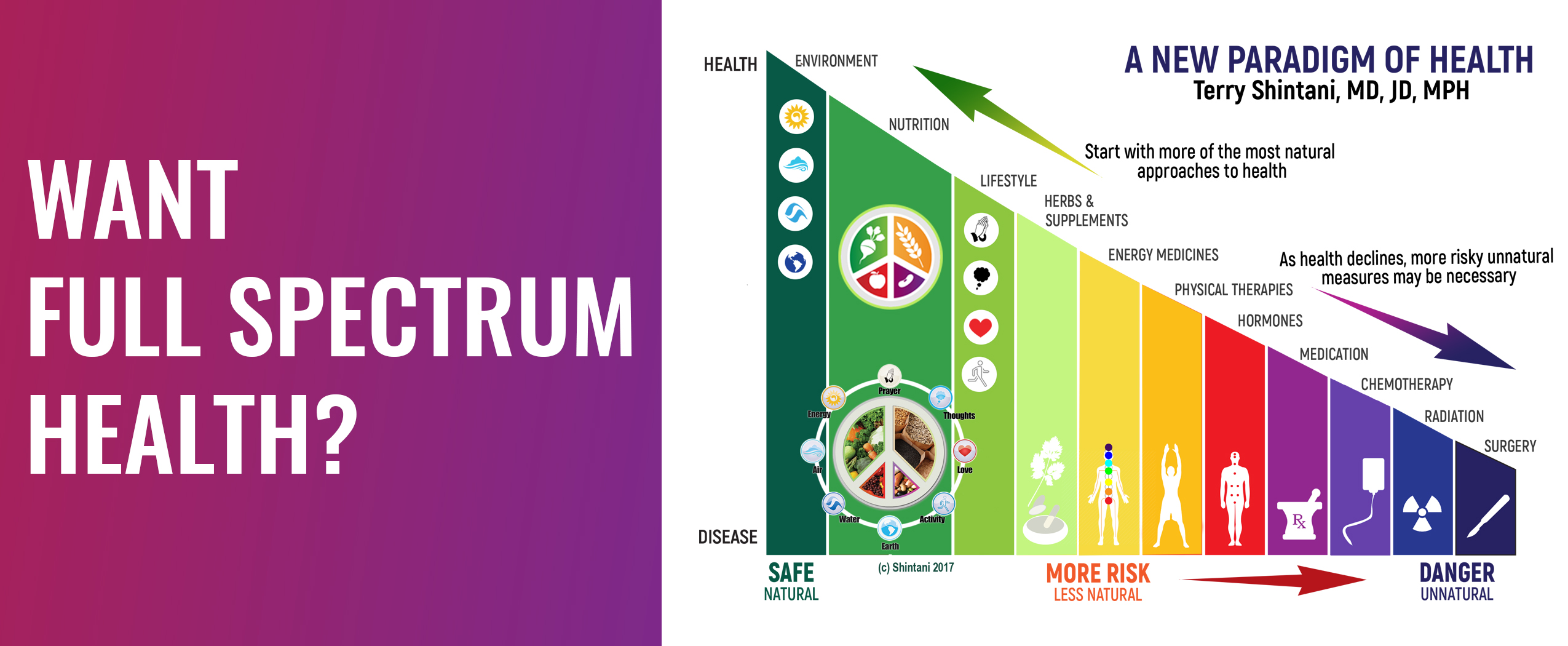
As with all of Dr. Shintani’s recommendations, these steps work best as part of a broader dietary pattern — the whole-food, plant-centered, low-fat, high-fiber approach of the Peace Diet — that supports not just gastric health but the health of the entire body.
Your stomach was designed to heal. Give it the right conditions, and it will.
Dr. Terry Shintani is a Harvard-trained physician (MD, JD, MPH), a Living Treasure of Hawai’i, and the creator of the Waianae Diet and the Peace Diet. He continues to see patients at his Honolulu practice and shares daily health insights on YouTube.
🌿 Learn more at PeaceDiet.org | Watch the video: https://www.instagram.com/reel/DapzxlezXa5/