







Insulin resistance is one of the most important concepts in modern medicine — and one of the most misunderstood. It sits at the heart of type 2 diabetes, metabolic syndrome, fatty liver disease, cardiovascular disease, and a growing list of chronic conditions that together represent the leading causes of death and disability in the developed world.
Most people now understand, at least in general terms, that insulin resistance means the body’s cells have become less responsive to insulin — the hormone that signals cells to absorb glucose from the bloodstream. When cells resist insulin’s signal, blood sugar remains elevated, the pancreas works harder to produce more insulin, and over time the system breaks down, leading to prediabetes and eventually type 2 diabetes.
What far fewer people understand is what causes insulin resistance in the first place. The conventional answer — that sugar and carbohydrates are the primary culprit — is not supported by the research. The real answer, established in the scientific literature for nearly a century, points to something else entirely.
Fat.
The 1935 Study That Changed Everything
In 1935 — decades before the modern low-carbohydrate movement, decades before the advent of continuous glucose monitors, and long before insulin resistance had become a household term — researchers conducted a remarkably clear experiment.
They took people with normal blood sugar and normal glucose tolerance and placed them on diets with gradually increasing percentages of fat. At each level of fat intake, they evaluated participants with a glucose tolerance test — measuring how effectively their bodies were processing sugar.
The results were unambiguous. As fat intake increased, glucose tolerance worsened. In other words, the more fat people ate, the more insulin resistant they became.
The most striking finding came from comparing the extremes. People following a diet in which 58% of calories came from fat had blood sugar levels nearly double those of people on a diet where only 24% of calories came from fat. Same people, same researchers, same testing conditions — the only variable was the proportion of fat in the diet. And the effect on blood sugar was dramatic.
This finding ran counter to the intuitive assumption that eating sugar raises blood sugar while eating fat does not. The biochemistry is more complex. When dietary fat — particularly saturated fat — accumulates in muscle cells, it interferes with the insulin signaling pathway at a cellular level. The fat metabolites block the molecular machinery that would normally respond to insulin’s signal to take up glucose. The result is insulin resistance — not from eating sugar, but from eating fat.
What More Recent Research Confirms
The 1935 study was not an isolated finding. In the decades since, a substantial body of research has refined and confirmed its core insight. More recent studies have clarified that it is specifically saturated fat — the kind found predominantly in animal products, including meat, dairy, butter, and processed foods — that contributes most significantly to insulin resistance.
Unsaturated fats — found in nuts, seeds, avocados, and olive oil — appear to have a more neutral or even modestly beneficial effect on insulin sensitivity. But saturated fat specifically has been shown in multiple clinical studies to impair the insulin signaling cascade in muscle and liver cells, directly contributing to the development and worsening of insulin resistance.
This helps explain a pattern that has puzzled some researchers — why populations eating traditional plant-based diets rich in carbohydrates, like traditional Asian populations eating rice-based diets, have historically had very low rates of type 2 diabetes, while populations eating high-fat Western diets have dramatically higher rates. The carbohydrates in traditional Asian diets were not driving insulin resistance because the diets were simultaneously very low in saturated fat.
The problem is not carbohydrates per se. The problem is the combination of refined carbohydrates with high saturated fat intake — the hallmark of the modern Western diet — which creates both the insulin resistance and the glucose load simultaneously.
What This Means Practically
The practical implication of this research is straightforward: reducing saturated fat intake is one of the most direct dietary interventions available for improving insulin sensitivity and reducing the risk of type 2 diabetes.
This means reducing or eliminating:
- Fatty processed meats — bacon, sausage, hot dogs, salami
- High-fat dairy — butter, cream, full-fat cheese, whole milk
- Tropical oils high in saturated fat — coconut oil and palm oil in large amounts
- Fried foods — which concentrate saturated and trans fats
And replacing them with:
- Whole, unprocessed plant foods — vegetables, legumes, whole grains, and fruit
- Plant-based proteins — tofu, tempeh, edamame, lentils, and beans
- Healthy unsaturated fats in moderation — nuts, seeds, and avocado
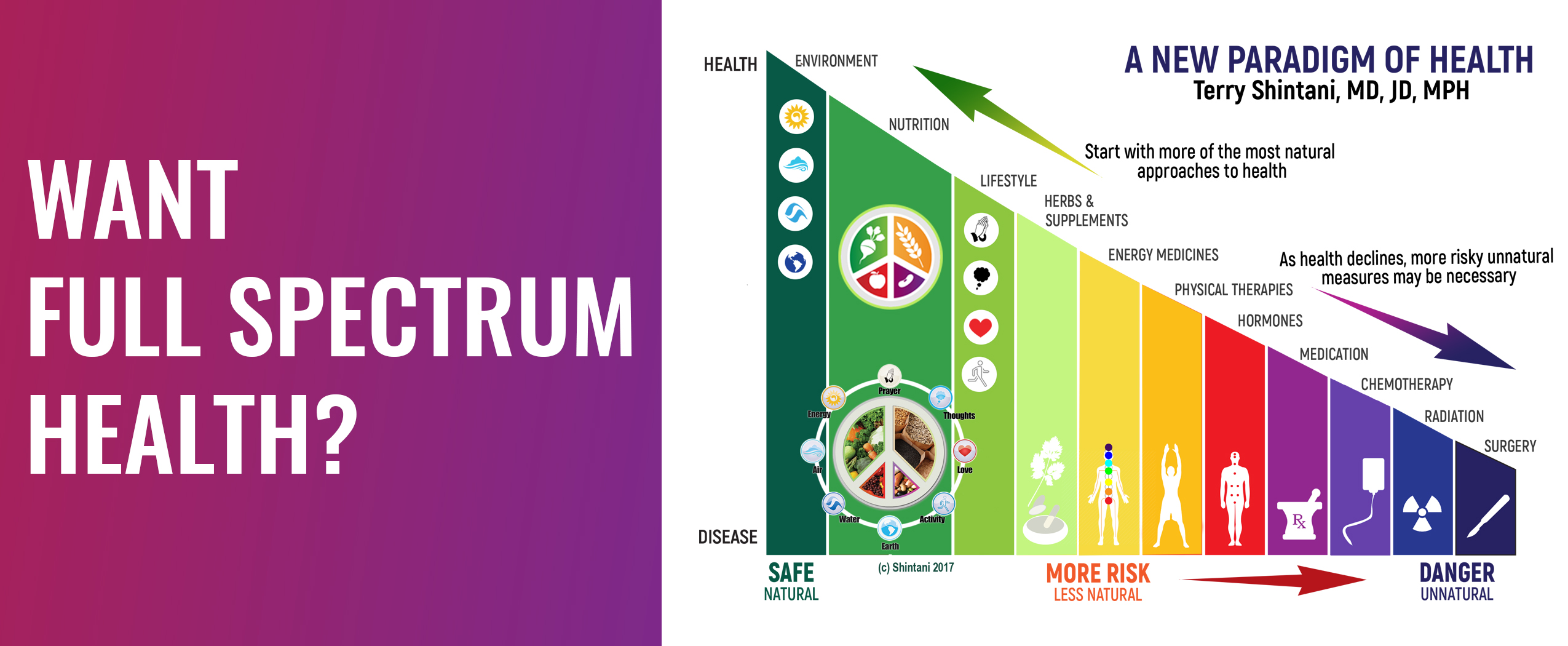
This is precisely the dietary philosophy behind the Peace Diet — a whole-food, plant-centered, low-saturated-fat approach that addresses insulin resistance at its root rather than simply managing the blood sugar symptoms it produces.
A Note on Low-Carbohydrate Diets
It is worth addressing the elephant in the room. Low-carbohydrate, high-fat diets — ketogenic diets, Atkins, carnivore — have become enormously popular as approaches to blood sugar management. They do often produce short-term reductions in blood sugar, for a straightforward reason: if you eat very few carbohydrates, there is less glucose entering the bloodstream regardless of how insulin-resistant your cells are.
But this is symptom management, not root cause resolution. The underlying insulin resistance — driven by saturated fat accumulation in cells — continues and in many cases worsens on high-fat diets, even as blood sugar readings improve in the short term. When someone on a ketogenic diet reintroduces carbohydrates, their blood sugar often spikes more dramatically than before they started, precisely because the underlying insulin resistance has not been addressed.
The research on long-term insulin sensitivity consistently favors low-fat, whole-food, plant-based dietary patterns over high-fat approaches — not because fat is inherently dangerous, but because saturated fat specifically impairs the cellular machinery that insulin depends on.
The Bottom Line
The answer to the question — high fat or low fat for insulin resistance? — has been clear in the scientific literature since 1935. Low fat, and specifically low saturated fat, supports better insulin sensitivity. High fat, and specifically high saturated fat, worsens it.
The good news is that insulin resistance is highly responsive to dietary change. Studies have shown meaningful improvements in insulin sensitivity within days to weeks of reducing saturated fat intake and replacing it with whole, unprocessed foods. The body wants to regulate blood sugar effectively — it just needs the right conditions to do so.
Give it those conditions, and it will.
Dr. Terry Shintani is a Harvard-trained physician (MD, JD, MPH), a Living Treasure of Hawai’i, and the creator of the Waianae Diet and the Peace Diet. He continues to see patients at his Honolulu practice and shares daily health insights on YouTube.
🌿 Learn more at PeaceDiet.org | Watch the video: https://www.instagram.com/p/Da4fd5fz8m7/
📖 Also read — Top 5 Breakfast Foods to Avoid for Blood Sugar: https://drshintani.com/wordpress/2026/07/16/top-5-breakfast-foods-to-avoid-for-blood-sugar-and-weight-loss-2/