



Most people know that carbohydrates raise blood sugar and insulin. Far fewer know that protein raises insulin too — sometimes even more than carbs do, despite not raising blood sugar at all.
Insulin isn’t just about blood sugar control. It also stimulates body fat production, and chronically high insulin levels sit at the core of serious health problems, including obesity, diabetes, high triglycerides, and high blood pressure. Understanding what actually drives insulin up — not just glucose — is key to managing all of these conditions.
The Insulin Index vs. the Glycemic Index
The glycemic index measures how much a food raises blood sugar. The insulin index measures something different: how much a food raises insulin, regardless of its effect on blood sugar. This distinction matters, because some high-protein foods score surprisingly high.
For example:
- Beef has an insulin index score of 51
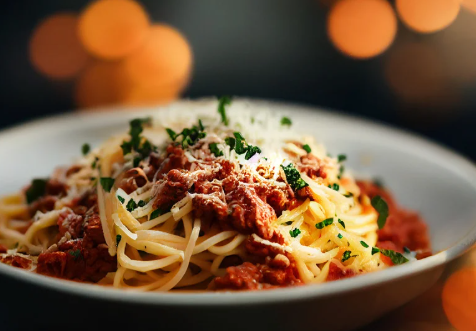
- Pasta has an insulin index score of 40
Despite containing virtually no carbohydrate, beef triggers a stronger insulin response than a plate of pasta. This is because protein — particularly animal protein — stimulates insulin release on its own.
What This Means for Blood Sugar Control
Since both carbohydrates and protein can raise insulin, blood sugar control isn’t just about cutting carbs. Two strategies matter:
- Eat more fiber — fiber helps reduce insulin levels and slows the absorption of sugar
- Be mindful of high protein intake, especially from animal sources, since this can raise insulin even without raising blood sugar
The goal isn’t to eliminate protein — it’s essential for the body — but to be aware that “protein doesn’t affect blood sugar” doesn’t mean “protein doesn’t affect insulin.” Managing both carbohydrate and protein intake, alongside adequate fiber, offers a more complete approach to healthy insulin and blood sugar levels.
For more natural health strategies, download the free eBook Health Secrets at club120.shintanimd.com, or explore Dr. Shintani’s book The Peace Diet: How to Reverse Obesity, Aging, and Disease Naturally.
About Dr. Terry Shintani, MD, JD, MPH
Dr. Terry Shintani is a Harvard-trained physician and nutritionist, named a Living Treasure of Hawai’i and recipient of the U.S. Secretary of Health and Human Services Award for Excellence. He is the creator of the Peace Diet and the landmark Waianae Diet — published in the American Journal of Clinical Nutrition and cited over 137 times — and the author of 16 books on natural health and nutrition, drawing on more than 35 years of clinical practice in Honolulu, Hawaii.
Learn more about Dr. Shintani’s work and recognition: NLM Native Voices
IG reel: https://www.instagram.com/p/DbZ4f5QTnYB/
Sources:
- NIH/PubMed — Insulin Index of Foods and Metabolic Response
- Harvard Health — Glycemic Index and Glycemic Load for 100 Foods
- NIH/NIDDK — Insulin Resistance and Diabetes