
High blood pressure — or hypertension — affects nearly half of all American adults. It is one of the leading risk factors for heart attack, stroke, kidney disease, and early death. And yet, for most people, it is also one of the most controllable conditions available — particularly through diet and lifestyle changes.
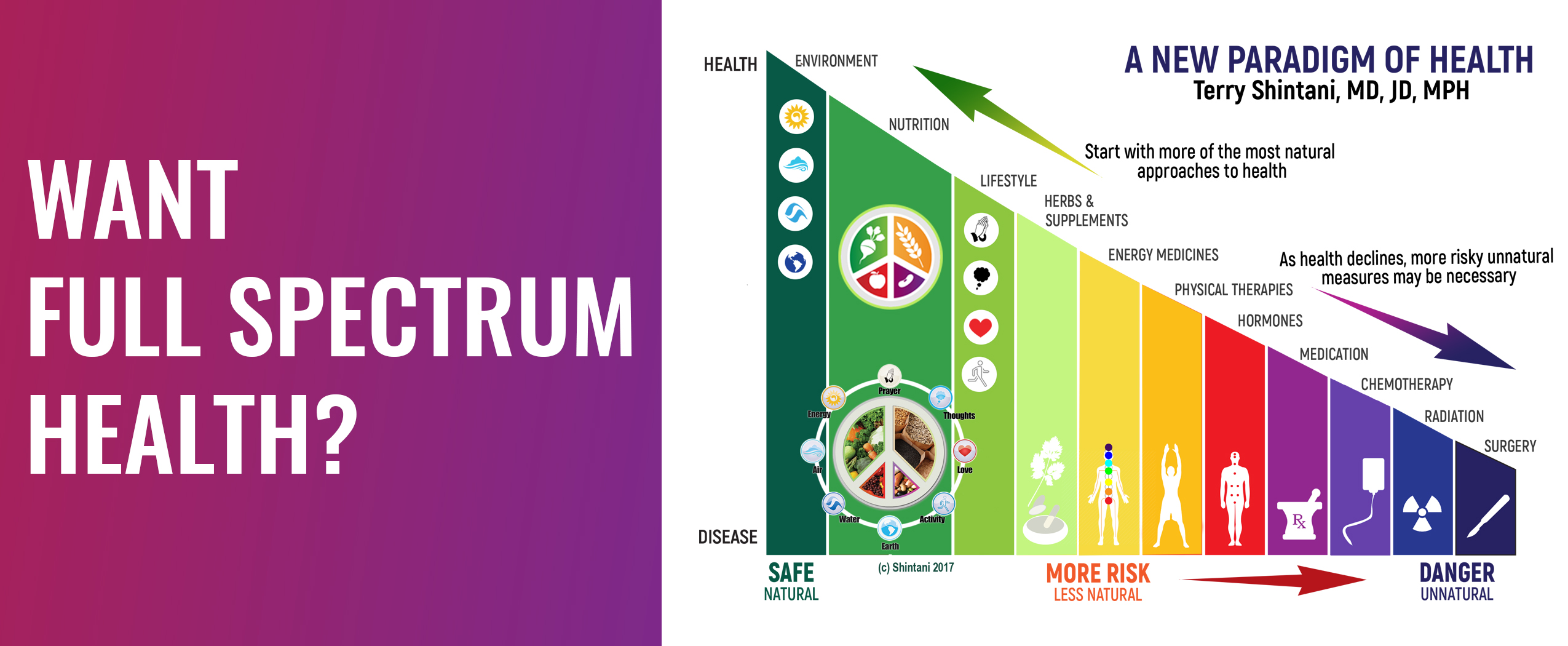
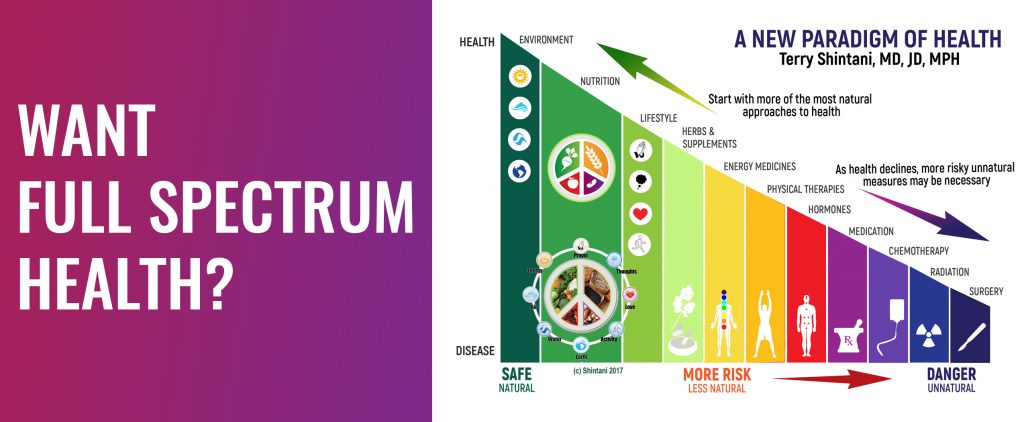
As Dr. Terry Shintani has emphasized throughout his career, the most effective long-term approach to blood pressure control is a whole-food, plant-based diet combined with regular movement, stress management, and adequate sleep. The Peace Diet, with its emphasis on low-fat, low-glycemic, minimally processed foods, directly addresses the root causes of hypertension — inflammation, arterial stiffness, excess weight, and insulin resistance.
But for those who need a little extra support alongside a healthy lifestyle — or who are in the process of transitioning their diet — certain natural supplements have a meaningful body of evidence behind them. Here are five worth discussing with your doctor.
1. CoQ10 (Coenzyme Q10)
CoQ10 is a naturally occurring antioxidant produced in every cell of the body, where it plays a central role in energy production. As we age, CoQ10 levels decline — and research has linked low CoQ10 to increased oxidative stress and inflammation, both of which contribute to arterial damage and elevated blood pressure.
Multiple clinical studies have shown that CoQ10 supplementation can produce modest but meaningful reductions in both systolic and diastolic blood pressure. A meta-analysis of 12 randomized controlled trials found an average reduction of approximately 11 points in systolic pressure among participants taking CoQ10. It is also widely used alongside statin medications, which are known to deplete CoQ10 levels in the body.
2. Beet Extract
Beetroot and beet extract have attracted significant research attention in recent years for their high concentration of dietary nitrates. When consumed, these nitrates are converted in the body to nitric oxide — a molecule that signals the smooth muscle cells lining blood vessels to relax and dilate. The result is improved blood flow and reduced pressure on arterial walls.
Studies have shown that even a single dose of beetroot juice can produce a measurable reduction in blood pressure within hours. Regular consumption appears to sustain these effects over time. Beet extract supplements provide a concentrated, convenient form of the same nitrates found in whole beets — without the need to juice vegetables daily.
3. Magnesium
Magnesium is one of the most essential minerals in the human body, involved in over 300 enzymatic reactions. One of its most important roles is supporting the production and function of nitric oxide — the same molecule that beet extract helps stimulate. When magnesium levels are low, nitric oxide activity is impaired, blood vessels constrict, and blood pressure rises.
Studies consistently show that magnesium deficiency is associated with higher blood pressure, and that supplementation can help bring it down — particularly in people who are already deficient. The typical Western diet, high in processed foods and low in vegetables and whole grains, tends to be poor in magnesium. A diet based on the Peace Diet principles, rich in legumes, leafy greens, nuts, and whole grains, naturally provides more magnesium — but supplementation can be valuable for those with low levels.
4. Hawthorn
Hawthorn is one of the oldest medicinal plants in the world, used for centuries in traditional European and Asian medicine for heart and circulatory conditions. Modern research is beginning to confirm what traditional healers long observed: hawthorn contains potent flavonoids and oligomeric proanthocyanidins (OPCs) that improve the function of the heart muscle, dilate coronary arteries, and reduce peripheral vascular resistance — all of which contribute to lower blood pressure.
Clinical trials have shown hawthorn to be effective in reducing both systolic and diastolic blood pressure, and it appears particularly beneficial for people with mild to moderate hypertension. Unlike some pharmaceutical options, hawthorn has a strong safety profile with very few reported side effects at standard doses. It is one of the few herbal remedies with sufficient clinical evidence to be included in some European clinical guidelines for heart health.
5. Hibiscus Tea
Perhaps the most accessible supplement on this list, hibiscus tea is made from the dried petals of the Hibiscus sabdariffa flower and has been consumed for centuries in cultures across Africa, the Caribbean, and Central America — many of which have long recognized its heart-supporting properties.
The mechanism behind hibiscus’s blood pressure effects is particularly interesting: research has identified that hibiscus acts as a natural ACE inhibitor. ACE (angiotensin-converting enzyme) inhibitors are a major class of prescription blood pressure medications — they work by blocking a pathway that causes blood vessels to constrict. Hibiscus appears to do something similar through its anthocyanin and organic acid content.
A study published in the Journal of Nutrition found that consuming three cups of hibiscus tea daily for six weeks significantly reduced systolic blood pressure in pre-hypertensive and mildly hypertensive adults — a result comparable to some low-dose pharmaceutical interventions. Hibiscus tea is widely available, inexpensive, and pleasant-tasting, making it one of the easiest natural additions to a blood pressure management routine.
An Important Note
These five supplements are not replacements for medical care or the foundational dietary and lifestyle changes that address the root causes of hypertension. If you are currently taking blood pressure medication, do not adjust your dosage without consulting your physician — some of these supplements can interact with medications and may require monitoring.
As always, Dr. Shintani’s first recommendation remains the same: eat well, move your body, manage stress, and let food be your medicine. These supplements work best as a complement to that foundation — not a substitute for it.
Dr. Terry Shintani is a Harvard-trained physician (MD, JD, MPH), a Living Treasure of Hawai’i, and the creator of the Waianae Diet and the Peace Diet. He continues to see patients at his Honolulu practice and shares daily health insights on YouTube.
🌿 Learn more at PeaceDiet.org | Watch the video: https://www.instagram.com/p/DacGus6z-Lg/