



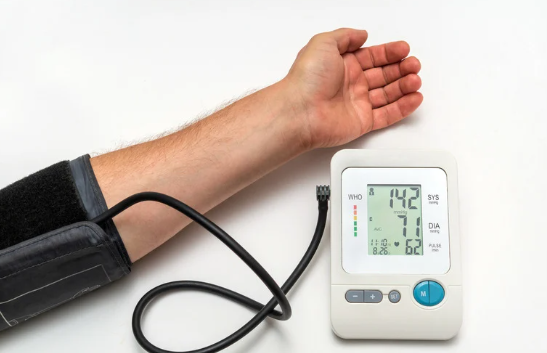
Of course, it’s better to control blood pressure through diet and lifestyle. But it’s worth understanding how blood pressure medications actually work — and what it means if your numbers stay high despite them.
1. Angiotensin Medications
These relax blood vessels, making it easier for blood to flow and lowering pressure on artery walls.
2. Calcium Channel Blockers
Medications like amlodipine also relax blood vessels, working through a different mechanism than angiotensin drugs.
3. Diuretics
Medications like hydrochlorothiazide reduce blood volume, which lowers the overall pressure in the system.
4. Beta Blockers
Medications like metoprolol decrease the force of heart contraction, reducing the workload on the cardiovascular system.
When Blood Pressure Stays High
If blood pressure remains high despite these measures, it may indicate that arterial hardening is occurring. In these cases, cholesterol and inflammation need to be managed over time through diet, supplements, and medication as needed.
The important thing to understand is that these medications can often become unnecessary with diet and lifestyle changes — sometimes quickly, and sometimes gradually over time.
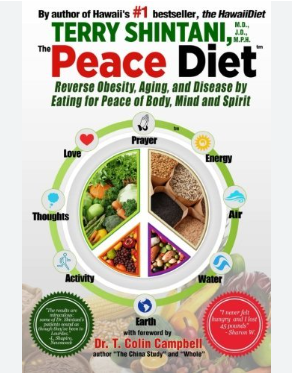
For a full list of foods that support healthy blood pressure, see the bonus chapter in the free eBook Health Secrets at peacediet.org.
About Dr. Terry Shintani, MD, JD, MPH
Dr. Terry Shintani is a Harvard-trained physician and nutritionist, named a Living Treasure of Hawai’i and recipient of the U.S. Secretary of Health and Human Services Award for Excellence. He is the creator of the Peace Diet and the landmark Waianae Diet — published in the American Journal of Clinical Nutrition and cited over 137 times — and the author of 16 books on natural health and nutrition, drawing on more than 35 years of clinical practice in Honolulu, Hawaii.
Learn more about Dr. Shintani’s work and recognition: NLM Native Voices
Sources:
- American Heart Association — Types of Blood Pressure Medications
- NIH/NHLBI — High Blood Pressure Treatment
- NIH/PubMed — Arterial Stiffness and Resistant Hypertension