Skip to content
  • About
  • Blog
  • Testimonials
  • Join Us
  • Freebies
  • Contact
  • Social Media
  • PeaceDiet
  • Books
  • Age Calculator
Dr.Shintani

Dr.Shintani

Terry

Category: Uncategorized

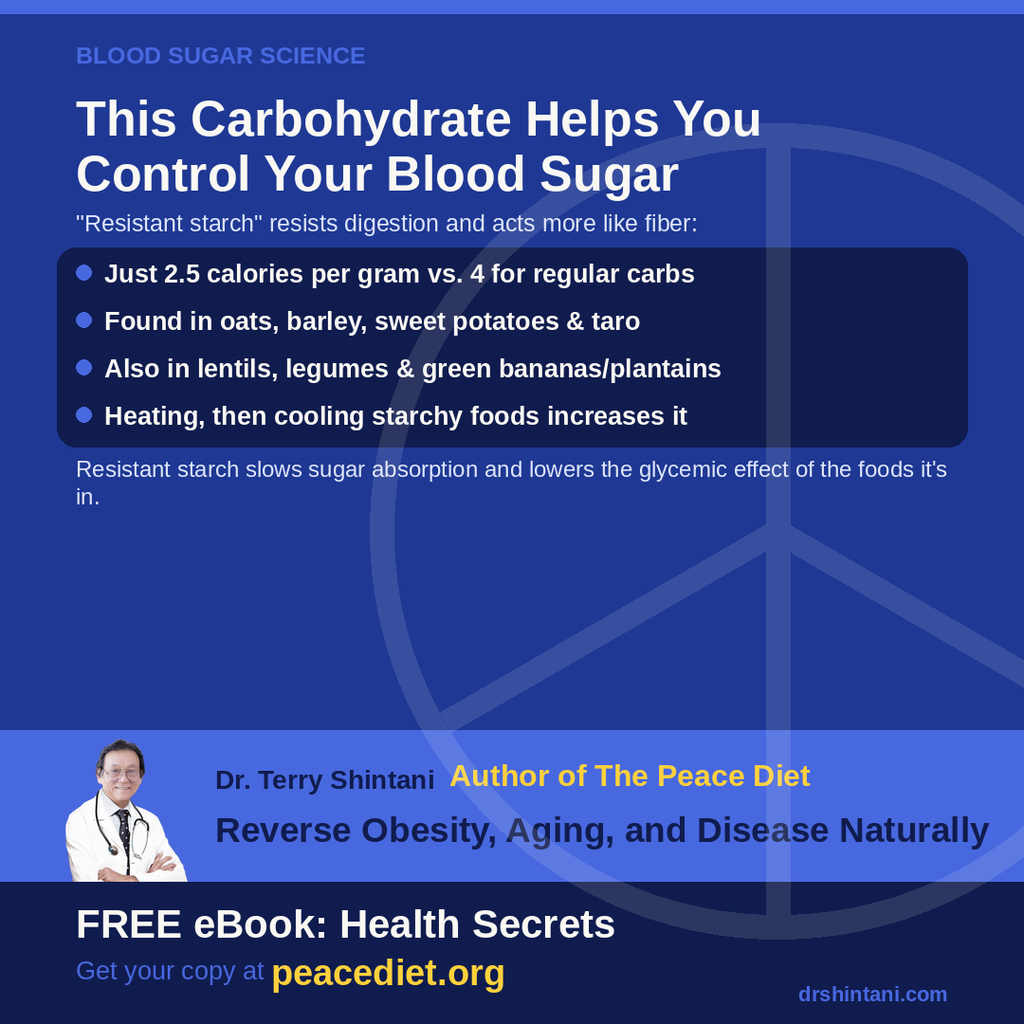
This Carbohydrate Helps You Control Your Blood Sugar

Posted on October 29, 2026 By drshintani No Comments on This Carbohydrate Helps You Control Your Blood Sugar

I’ve been reversing type 2 diabetes with a high-carbohydrate diet for over 30 years — and one type of carbohydrate in particular may help explain why.

Most people assume all carbs are the same, since they’re all eventually broken down into sugar molecules in the intestines before being absorbed. In general, carbohydrates provide about 4 calories per gram. But there’s another type of carb that behaves very differently: resistant starch.

What makes resistant starch different
Resistant starch resists digestion in the small intestine and acts more like dietary fiber. It comes in at roughly 2.5 calories per gram — noticeably lower than the typical 4 calories per gram for digestible starch — and it slows the absorption of sugar, which helps blunt the blood sugar (glycemic) response to a meal.

Where to find resistant starch
Resistant starch makes up a portion of the carbohydrate content in many common foods, including:

  • Whole grains, especially oats and barley
  • Starchy vegetables like sweet potatoes and taro
  • Lentils and legumes
  • Some fruits, including green bananas and plantains

A simple trick to increase it
You can also increase the resistant starch content of a food by heating it and then cooling it. This process (sometimes called retrogradation) changes the structure of the starch, converting some of it into the resistant form — which is part of why dishes like cooked-and-chilled potatoes or rice tend to have a gentler effect on blood sugar than when eaten hot and fresh.

Including more resistant-starch-rich foods in your diet is a simple, practical way to support better blood sugar control — without having to cut carbs out altogether.

For more tips on blood sugar control, get my free eBook, Health Secrets, at PeaceDiet.org.

I’m Dr. Shintani, for your health.

Sources & further reading:
  • National Library of Medicine — Native Voices: Food & Health
  • CDC — Diabetes and Carbohydrate Management
  • PubMed — Resistant starch and glycemic control
  • NIH — Resistant Starch Review
Uncategorized

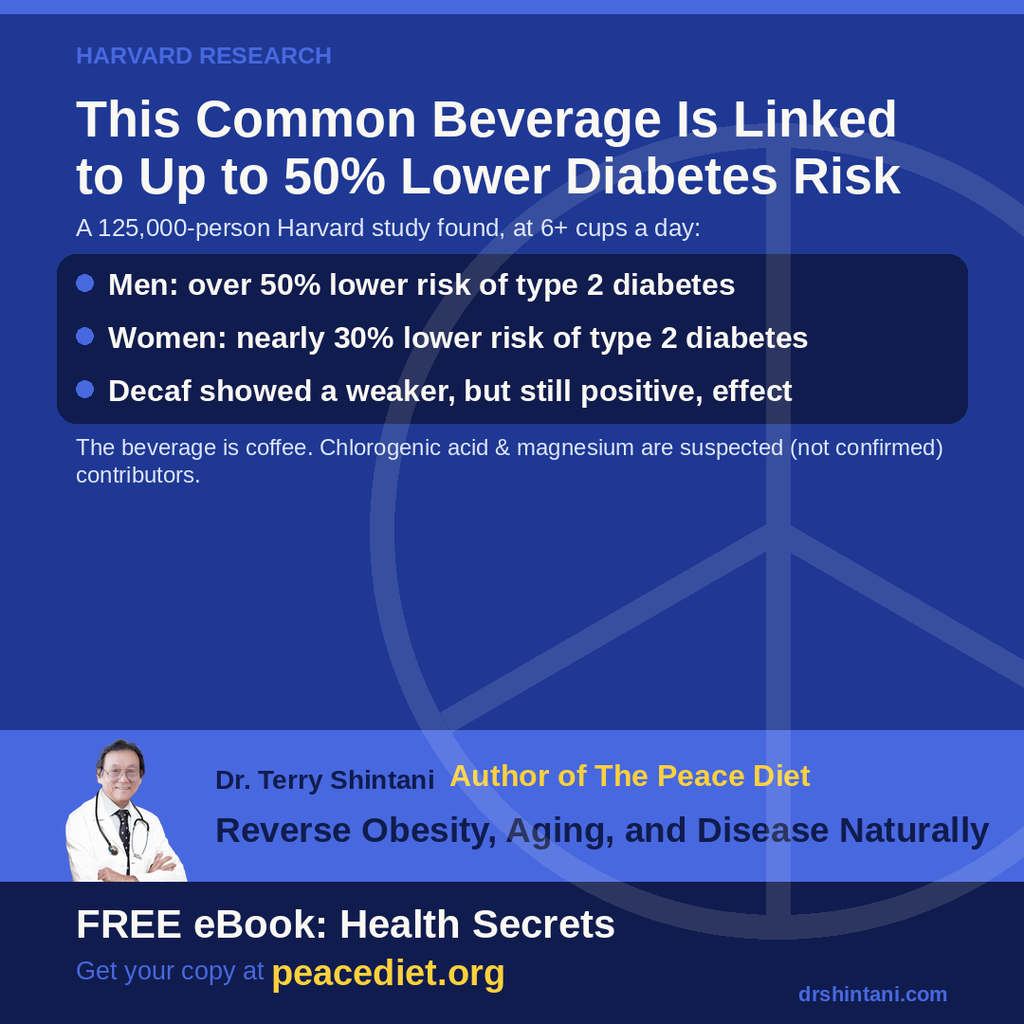
This Common Beverage Is Linked to Up to a 50% Lower Risk of Diabetes

Posted on October 26, 2026 By drshintani No Comments on This Common Beverage Is Linked to Up to a 50% Lower Risk of Diabetes

What if one of the most widely consumed beverages in the world also happened to lower your risk of type 2 diabetes? Research suggests that may be the case for coffee.

A landmark observational study from the Harvard School of Public Health and Brigham and Women’s Hospital followed more than 125,000 people — 41,934 men over 12 years and 84,276 women over 18 years — who were free of diabetes, cancer, and cardiovascular disease at the start of the study.

The findings: people who drank 6 or more cups of coffee a day had a significantly lower risk of developing type 2 diabetes compared to those who didn’t drink coffee at all.

  • Women: nearly 30% lower risk
  • Men: over 50% lower risk

Why might coffee help?
Researchers point to compounds like chlorogenic acid and magnesium as possible contributors — these have antioxidant and anti-inflammatory properties, and may help slow sugar and fat absorption, improve insulin sensitivity, and support healthy insulin release. That said, the study’s lead author was candid that “we still don’t know exactly why coffee is beneficial for diabetes” — so these mechanisms are promising theories, not settled science.

Interestingly, decaffeinated coffee was also associated with a lower diabetes risk, though the effect was weaker than with regular coffee — suggesting caffeine itself may play some role, alongside coffee’s other natural compounds.

A word of caution:
This doesn’t mean more coffee is automatically better. Excessive caffeine intake can contribute to its own health issues, including insomnia, anxiety, and in some people, irregular heartbeat. If you’re considering increasing your coffee intake for health reasons, talk to your doctor first — especially if you have any underlying health conditions.

For more tips on natural health, get my free eBook, Health Secrets, at PeaceDiet.org.

I’m Dr. Shintani, for your health.

Sources & further reading:
  • Harvard Gazette — High Coffee Consumption Reduces Type 2 Diabetes Risk
  • National Library of Medicine — Native Voices: Food & Health
  • CDC — Type 2 Diabetes
  • PubMed — Coffee consumption and type 2 diabetes risk
Uncategorized

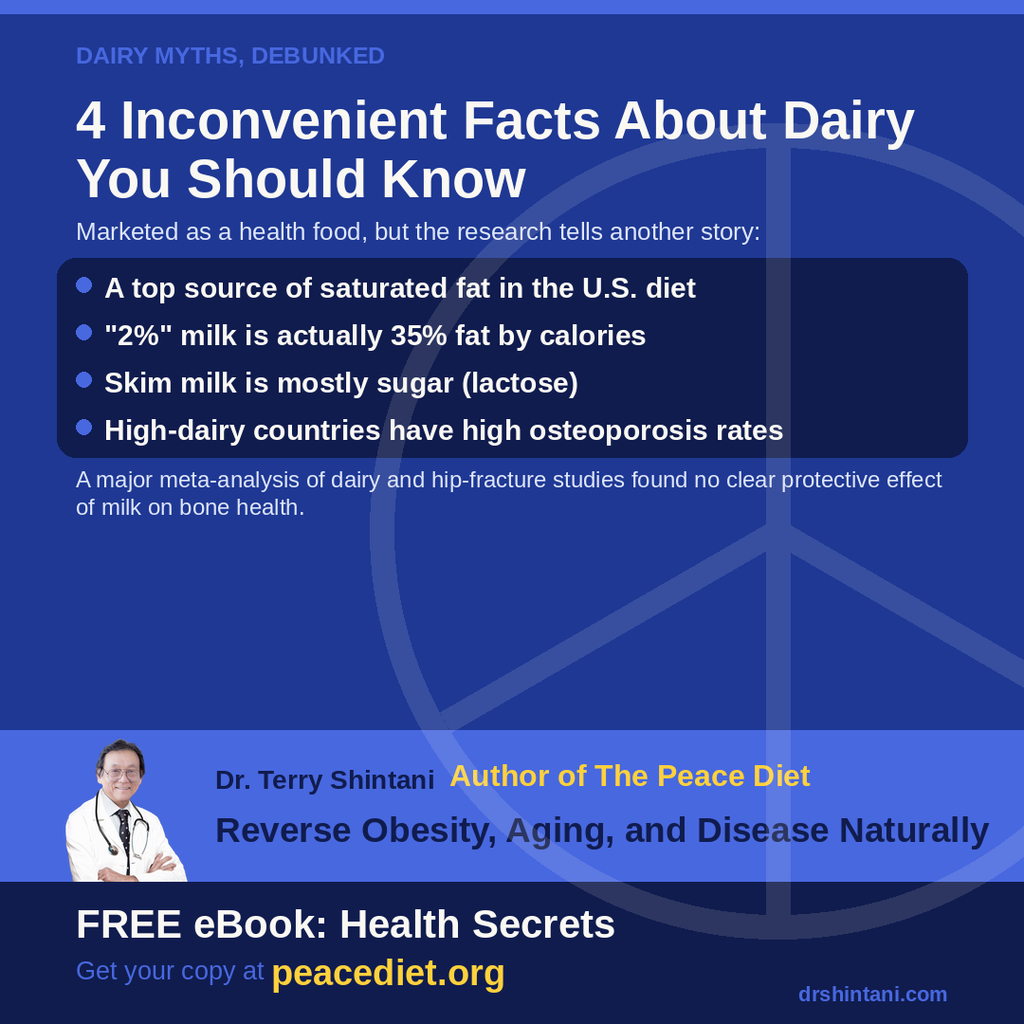
4 Inconvenient Facts About Dairy You Should Know

Posted on October 25, 2026 By drshintani No Comments on 4 Inconvenient Facts About Dairy You Should Know

Dairy has long been promoted as an essential, healthy part of a balanced diet. But a closer look at the research reveals some facts that are rarely mentioned.

1. Dairy is a top source of saturated fat in the American diet.
The American Heart Association recommends limiting saturated fat to reduce cardiovascular disease risk. According to NHANES dietary data, cheese is actually the single largest food source of saturated fat in the U.S. diet, with beef second and milk fourth — but when dairy foods (cheese, milk, and other dairy products) are grouped together as a category, they represent one of the largest sources of saturated fat overall (PCRM analysis of NHANES data).

2. “2%” milk is actually about 35% fat.
The “2%” label refers to fat by weight, which is misleading since milk is mostly water. When measured by calories — the way your body actually uses energy — 2% milk is approximately 35% fat.

3. Skim milk is mostly sugar.
When the fat is removed from milk, what’s left is largely lactose, a natural milk sugar. By calorie content, skim milk is roughly half sugar.

4. Countries with the highest dairy consumption have some of the highest osteoporosis rates.
This is sometimes called the “calcium paradox” — populations in high-dairy-consuming countries (such as the U.S. and parts of Northern Europe) tend to have higher rates of osteoporosis and hip fracture than populations in countries with much lower dairy intake. This is a correlational pattern, not a controlled experiment, and other lifestyle factors (lifespan, activity levels, sun exposure) play a role too. But it’s notable that a systematic review and meta-analysis of dairy consumption and hip fracture risk, covering nearly 400,000 adults across 18 studies, found no statistically significant protective effect of milk against hip fracture (pooled relative risk 0.91, not significant) (PMC systematic review).

None of this means dairy has to be eliminated from everyone’s diet — but it’s worth knowing the fuller picture before assuming “dairy” automatically means “healthy.”

For more tips like this, get my free eBook, Health Secrets, at PeaceDiet.org.

I’m Dr. Shintani, for your health.

Sources & further reading:
  • PCRM — Top Sources of Saturated Fat (NHANES data)
  • Systematic Review & Meta-Analysis — Dairy Consumption and Hip Fracture Risk (PMC/NIH)
  • National Library of Medicine — Native Voices: Food & Health
  • CDC — Heart Disease Risk Factors
Uncategorized

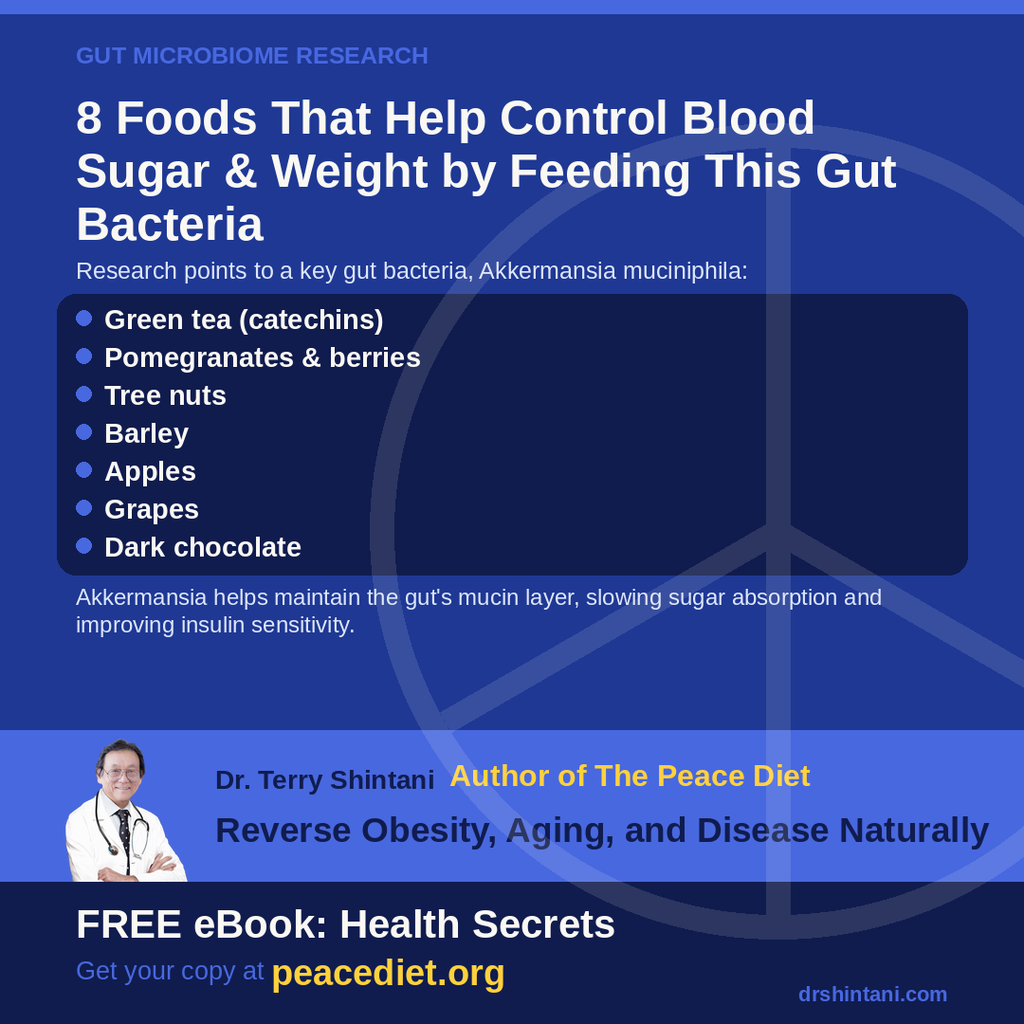
8 Foods That Help You Lose Weight and Control Blood Sugar — by Supporting Your Gut Bacteria

Posted on October 24, 2026 By drshintani No Comments on 8 Foods That Help You Lose Weight and Control Blood Sugar — by Supporting Your Gut Bacteria

If you’re struggling with weight or blood sugar control, the answer may be smaller than you think — literally. Recent research has found that our gut flora plays a major role in both.

Scientists believe part of the reason comes down to a specific gut bacteria species called Akkermansia muciniphila. This bacteria helps maintain the mucin layer inside the gut lining, which slows blood sugar absorption and improves insulin sensitivity — both key factors in weight and diabetes management. Research reviews have documented Akkermansia’s role in metabolic health, including its association with improved insulin sensitivity and weight regulation (NIH/NCBI review).

Akkermansia levels in the gut can be increased by eating foods rich in certain plant compounds: catechins, ellagic acid, and proanthocyanidins. A controlled study found that proanthocyanidin-rich foods — specifically blueberries and grape-derived proanthocyanidins — produced measurable Akkermansia blooms, while polyphenol-rich foods lacking proanthocyanidins (like cranberries and raisins) did not (bioRxiv study).

Here are 8 foods that provide these gut-supporting nutrients:

  • Green tea — provides catechins
  • Pomegranates — rich in ellagic acid
  • Berries — contain both ellagic acid and proanthocyanidins
  • Tree nuts — provide ellagic acid
  • Barley — a grain source of proanthocyanidins
  • Apples — contain proanthocyanidins, especially in the peel
  • Grapes — a well-documented proanthocyanidin source (and the basis for red wine’s gut-health research)
  • Dark chocolate — everybody’s favorite, and a source of cocoa polyphenols (its specific effect on Akkermansia is still being studied, but the mechanism is promising)

Supporting a healthy gut microbiome is one more tool — alongside diet and lifestyle — for managing weight and blood sugar naturally.

For more tips like this, get my free eBook, Health Secrets, at PeaceDiet.org.

I’m Dr. Shintani, for your health.

Sources & further reading:
  • Polyphenols as Drivers of a Homeostatic Gut Microecology and Immuno-Metabolic Traits of Akkermansia muciniphila (NIH/NCBI)
  • Common proanthocyanidin-rich foods modulate gastrointestinal blooms of Akkermansia muciniphila (bioRxiv)
  • National Library of Medicine — Native Voices: Food & Health
  • CDC — Diabetes and Prediabetes
  • PubMed — Apple procyanidins and gut microbial changes
Uncategorized

This Herb May Extend Your Healthy Lifespan by Up to 12 Years

Posted on October 23, 2026 By drshintani No Comments on This Herb May Extend Your Healthy Lifespan by Up to 12 Years

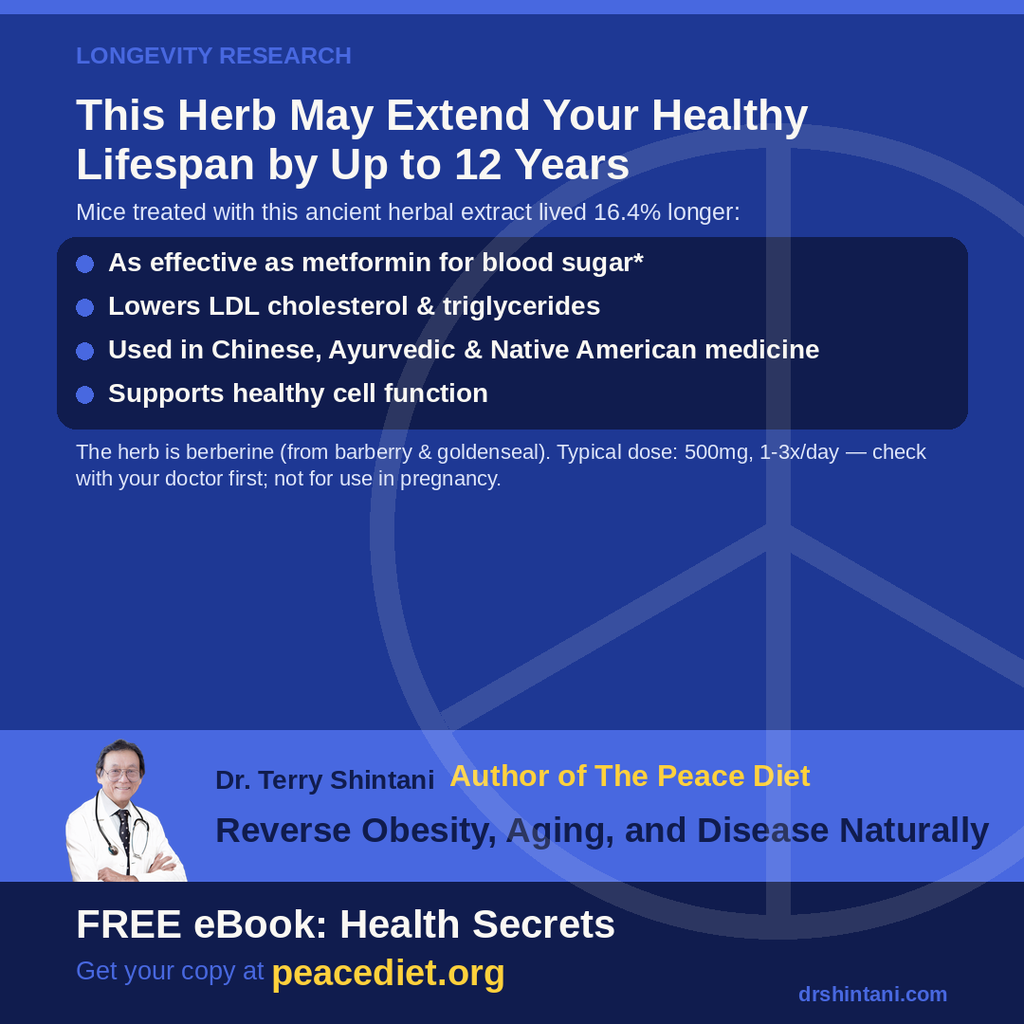
If you could extend your healthy lifespan by up to 12 years by taking an herbal supplement, you’d want to know about it — according to Dr. Terry Shintani, MD, board-certified in preventive medicine.

The research

In an eye-opening study, researchers found that this ancient herbal remedy extended lifespan and health span across various species. Mice treated with the herbal extract lived about 16.4% longer than expected — a figure that, translated into human years, would represent a life extension of over 12 years.

A long history of use

This supplement has been used in Chinese, Ayurvedic, and Native American medicine for millennia. The supplement is berberine, which comes from barberry and goldenseal.

What the research shows so far

Whether berberine will have the same lifespan-extending effect in humans is still under active research. That said, berberine has already shown real promise in other areas:

  • Blood sugar control: Several human trials have found berberine comparably effective to metformin for lowering blood glucose, though the trials to date have been of mixed quality, and more rigorous studies are still needed.
  • Cholesterol: Berberine has been shown to lower LDL cholesterol and triglycerides while raising HDL, with one study showing effects comparable to or better than the cholesterol drug ezetimibe.
  • Cell health: Early research — mostly in cell and animal studies — suggests berberine may support healthy cell function and has shown some protective effects in laboratory models, though this is preliminary and not yet established in human cancer outcomes.

Dosage and precautions

A typical dosage for blood sugar support is 500mg, one to three times per day — but check with your doctor before using it, and it should not be used during pregnancy.

For more tips on longevity, get Dr. Shintani’s free eBook, Health Secrets, at peacediet.org.

Sources: Berberine and mouse lifespan extension, PMC6974710; Berberine research overview — FoundMyFitness; NLM Native Voices

Uncategorized

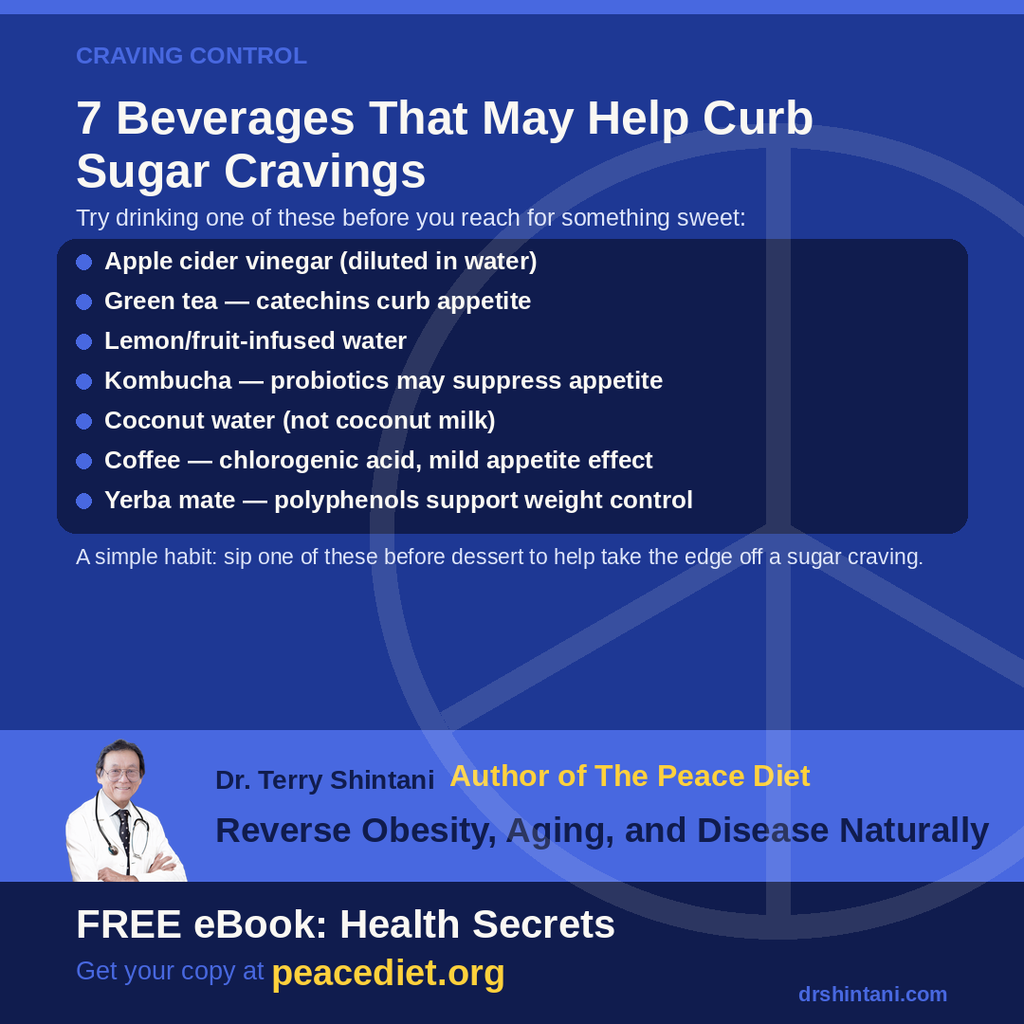
Are You Craving Sugar? 7 Beverages That May Help Curb Your Cravings

Posted on October 22, 2026 By drshintani No Comments on Are You Craving Sugar? 7 Beverages That May Help Curb Your Cravings

If you find yourself reaching for something sweet, try reaching for one of these beverages first instead, says Dr. Terry Shintani, MD, board-certified in preventive medicine, nutritionist, and author of The Peace Diet.

1. Apple cider vinegar
Usually diluted in a glass of water, apple cider vinegar may help reduce sugar cravings and also helps control blood sugar.

2. Green tea
Green tea contains catechins, which may help curb appetite.

3. Lemon or fruit-infused water
Infusing water (still or sparkling) with lemon or other fruit can help curb sugar cravings through fragrance and mild flavor, without adding many calories.

4. Kombucha
Kombucha has a tangy, mildly sweet flavor and provides probiotics, which may also help suppress appetite.

5. Coconut water
Coconut water has a mild, natural sweetness — not to be confused with coconut milk, which is much higher in calories.

6. Coffee
Coffee, whether black or sweetened with stevia or monk fruit, provides chlorogenic acid, which has mild appetite-suppressing effects.

7. Yerba Mate
Yerba mate contains a caffeine-related polyphenol that suppresses appetite and may also help with weight control.

The takeaway

Next time a sugar craving hits, consider reaching for one of these beverages first. For more tips on natural health, get Dr. Shintani’s free eBook, Health Secrets, at peacediet.org.

Sources: NLM Native Voices; additional NIH/PubMed citations on apple cider vinegar, catechins, and chlorogenic acid available on request.

Uncategorized

My Top 3 Natural Sugar Substitutes

Posted on October 21, 2026 By drshintani No Comments on My Top 3 Natural Sugar Substitutes

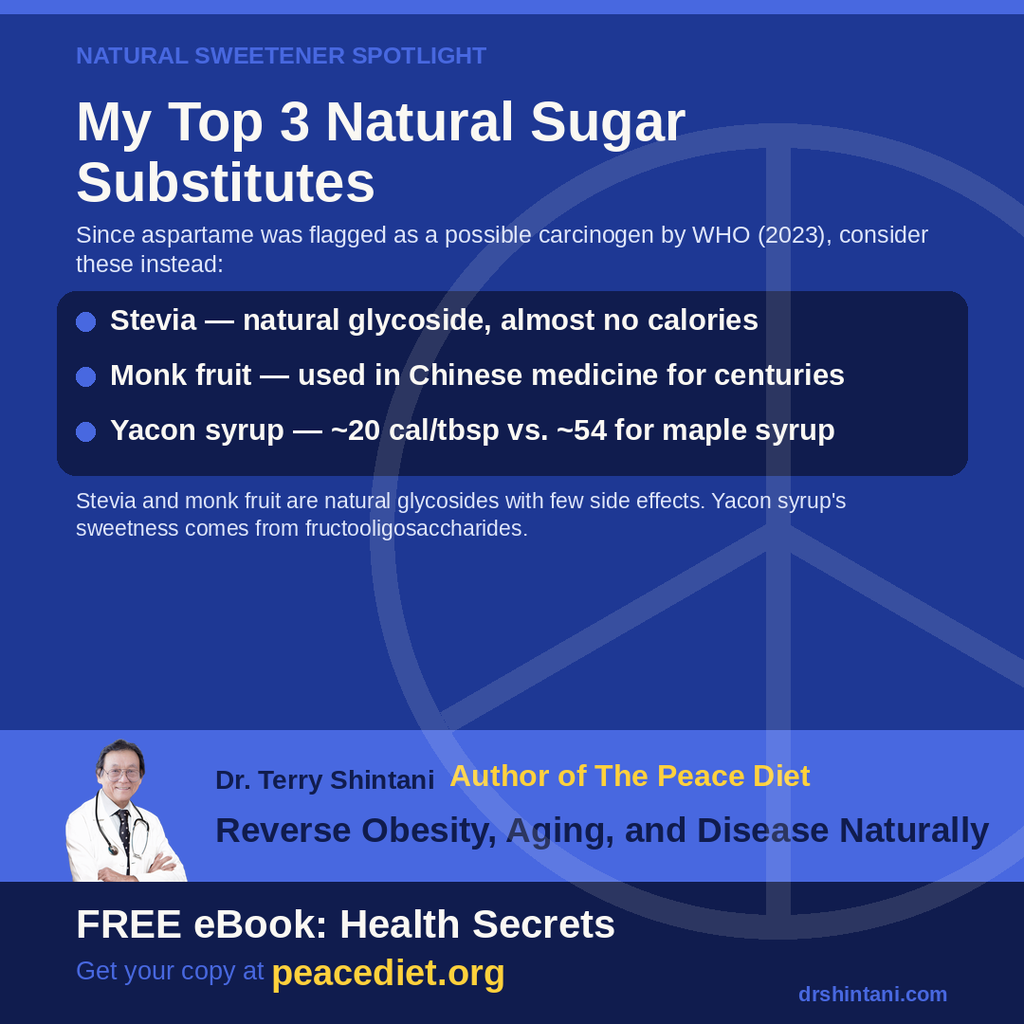
Choosing the right sweetener matters more than ever. In July 2023, the World Health Organization’s cancer research agency (IARC) classified aspartame as a possible carcinogen. Dr. Terry Shintani, MD, a Harvard-trained physician and nutritionist, shares why he avoids chemical sweeteners altogether and which natural alternatives he recommends instead.

“I don’t like chemical sweeteners because they’re unnatural and ultimately tend to have side effects,” Dr. Shintani explains. “I prefer natural alternatives.”

1. Stevia

Stevia is a natural glycoside that comes from a Paraguayan herb, Stevia rebaudiana.

2. Monk Fruit

Monk fruit has long been used in Chinese medicine. Like stevia, it’s a natural glycoside — both have almost no calories and few side effects.

3. Yacon Syrup

Yacon syrup comes from the root of the yacon plant. Its sweetness comes from fructooligosaccharides, and it has about 20 calories per tablespoon, compared to roughly 54 calories for maple syrup.

The takeaway

To get healthy now, consider swapping chemical sweeteners for these natural alternatives. For more tips on healthy eating, get Dr. Shintani’s free eBook, Health Secrets, at peacediet.org.

Sources: IARC/WHO aspartame classification, July 2023; Yacon syrup nutrition facts, Cleveland Clinic/USDA; NLM Native Voices

Uncategorized

A Natural Antidepressant That Tastes Really Good

Posted on October 20, 2026 By drshintani No Comments on A Natural Antidepressant That Tastes Really Good

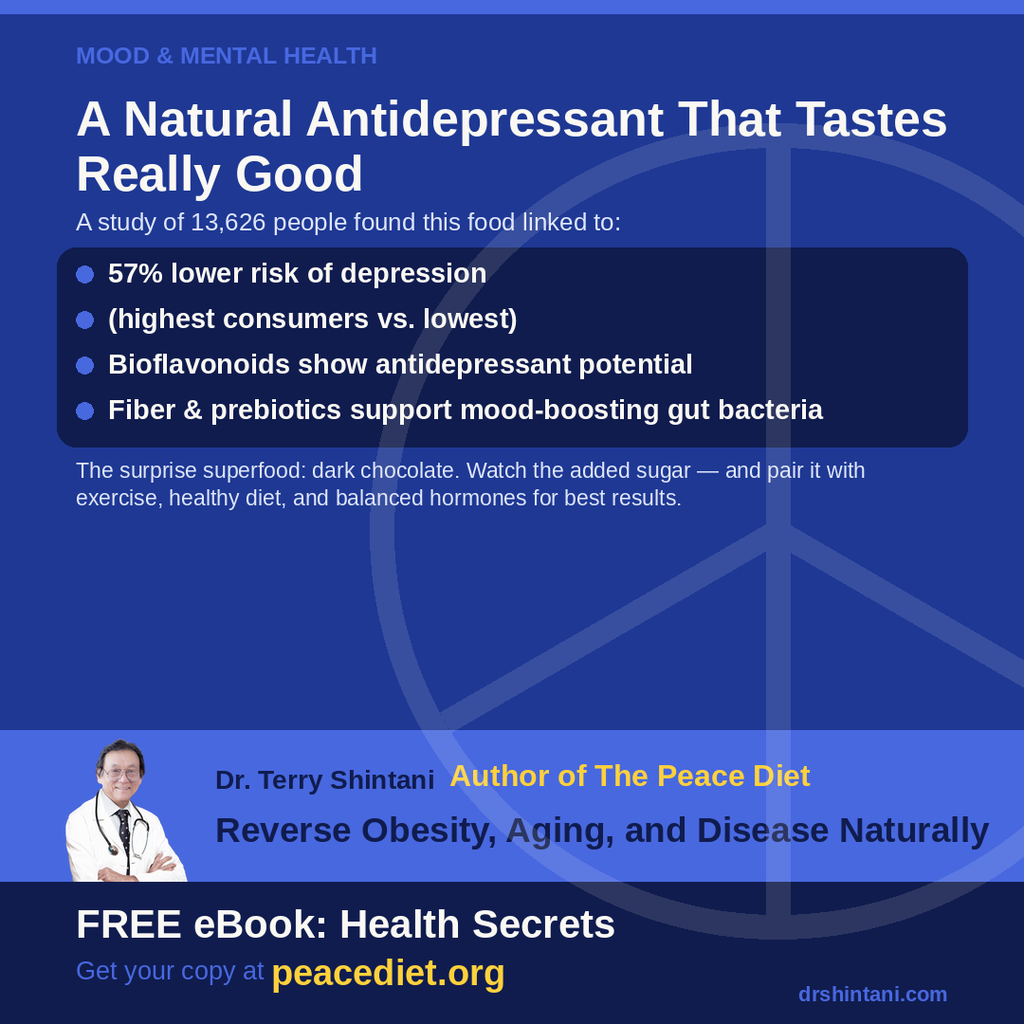
It’s estimated that 29% of Americans experience depression at one time or another. Most people would rather avoid antidepressant medication because of its side effects — so Dr. Terry Shintani, MD, a Harvard-trained physician, nutritionist, and author of The Peace Diet, shares a surprising natural option backed by research.

The research

A study of 13,626 people found that those who consumed the highest amounts of a particular superfood had a 57% lower risk of depression compared to those who consumed the least. The surprise? That superfood is dark chocolate.

A few important caveats

This was an observational study, so it shows an association rather than proof of cause and effect. It’s also worth watching how much added sugar comes along with the chocolate you choose. That said, other research suggests the bioflavonoids found in chocolate have real antidepressant potential.

Beyond chocolate: the bigger picture

Dr. Shintani notes that overall diet quality matters too — avoiding junk food and eating foods rich in bioflavonoids, fiber, and prebiotics helps support the gut microbiome, which plays a role in producing the neurotransmitters that influence mood. Exercise and optimizing hormones such as thyroid, sex hormones, and vitamin D can also help significantly.

The takeaway

A square or two of dark chocolate, as part of an overall healthy lifestyle, may offer a natural mood boost. For more tips on natural health, get Dr. Shintani’s free eBook, Health Secrets, at peacediet.org.

Sources: Chocolate consumption and depressive symptoms in a US adult population — Nguyen et al., Depression and Anxiety, 2019; Gallup — U.S. depression rate data, 2026; NLM Native Voices

Uncategorized

5 Good Sources of a Nutrient That Helps Control Blood Sugar — Even with High-Carb Foods

Posted on October 20, 2026 By drshintani No Comments on 5 Good Sources of a Nutrient That Helps Control Blood Sugar — Even with High-Carb Foods

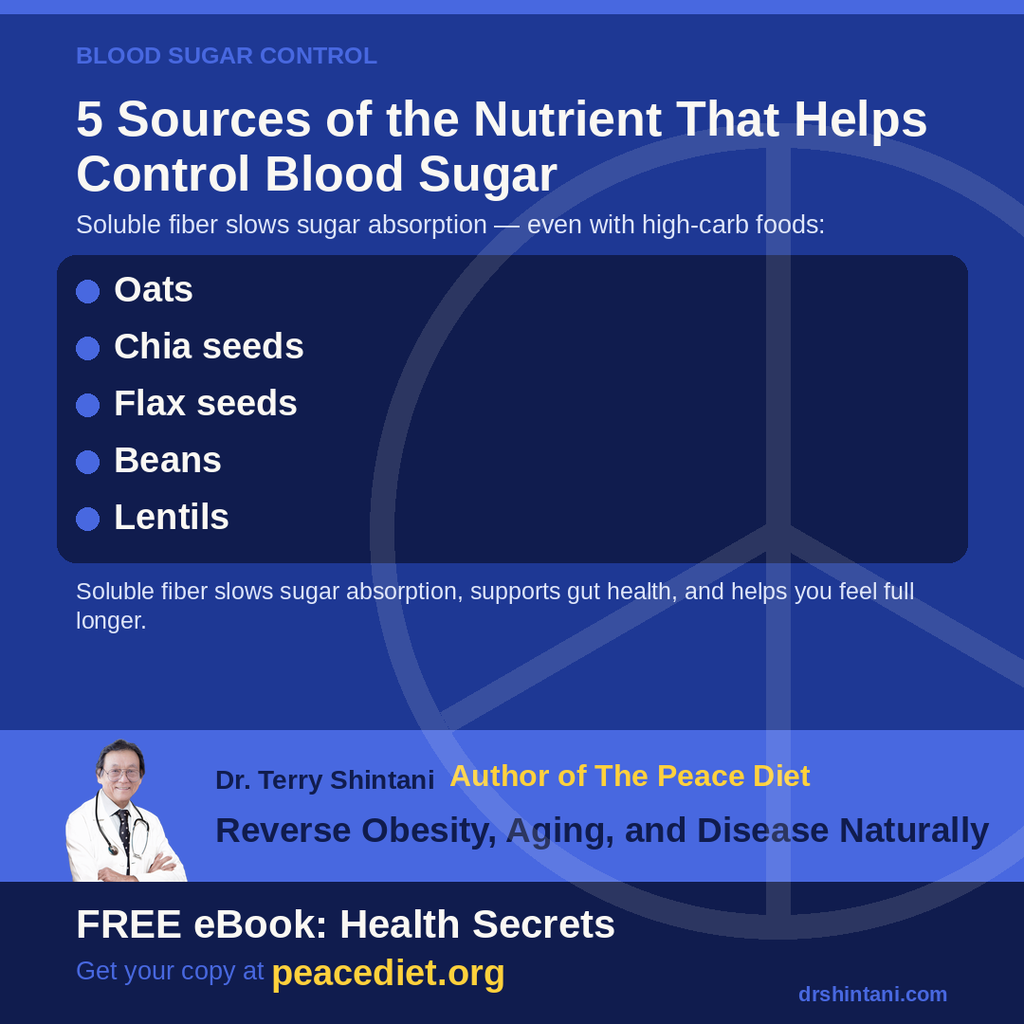
Dr. Terry Shintani, MD, a Harvard-trained physician and nutritionist, has been reversing diabetes naturally for over 30 years — using a high-carb diet. The key, he explains, is a nutrient found in some high-carb foods that slows the absorption of sugar: soluble fiber.

How soluble fiber helps control blood sugar

Soluble fiber supports blood sugar control in four important ways:

  1. It holds onto sugar and slows its absorption
  2. It helps create a mucin layer that protects the intestines and supports proper nutrient sorting
  3. It supports a healthy gut microbiome
  4. It helps you feel full, so you end up eating fewer calories overall

5 good sources of soluble fiber

  1. Oats
  2. Chia seeds
  3. Flax seeds
  4. Beans
  5. Lentils

The takeaway

To start getting healthier now, consider eating more of these soluble-fiber-rich foods. For a list of 15 foods and the amount of soluble fiber in each, get Dr. Shintani’s free eBook, Health Secrets, at peacediet.org.

Sources: NLM Native Voices; additional NIH/PubMed citations on soluble fiber and glycemic control available on request.

Uncategorized

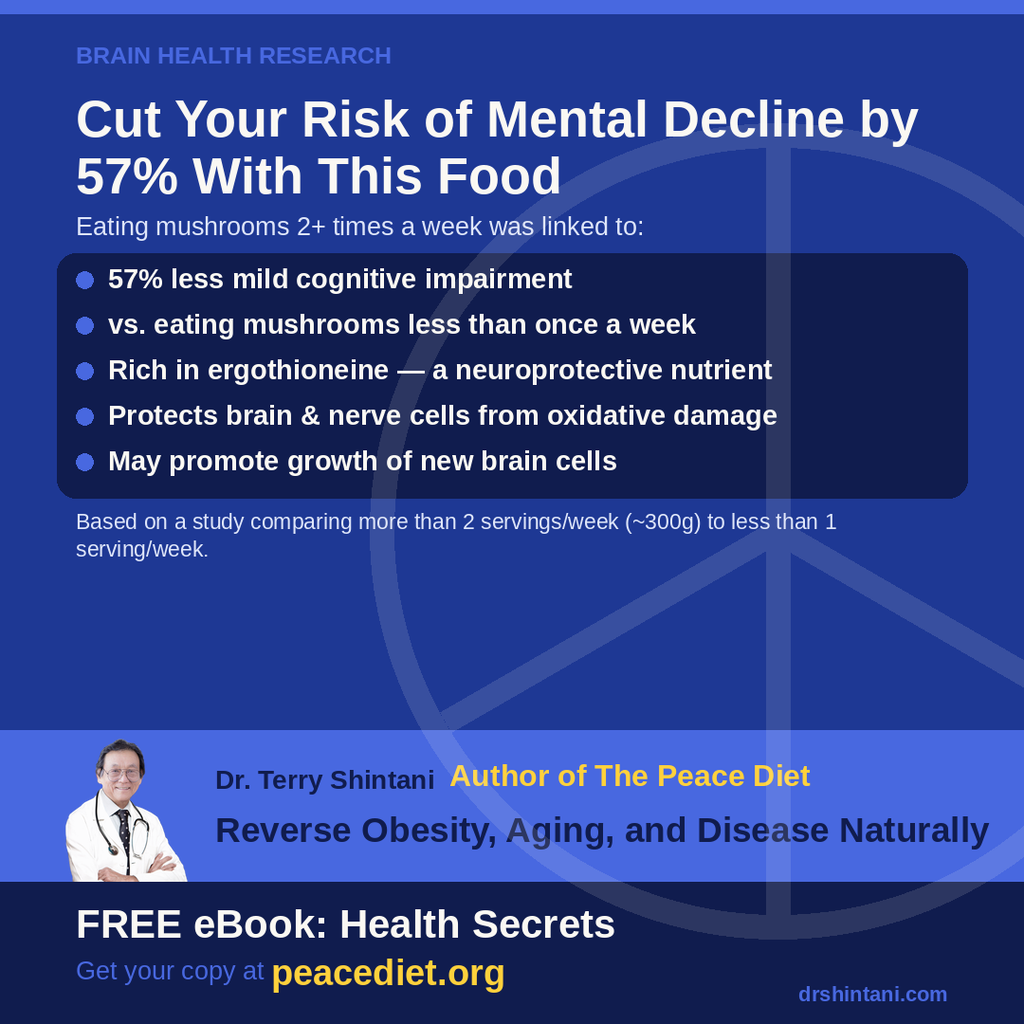
Reduce Your Risk of Mental Decline by 57% by Eating This Twice a Week

Posted on October 18, 2026 By drshintani No Comments on Reduce Your Risk of Mental Decline by 57% by Eating This Twice a Week

Most people fear dementia more than they fear death — so prevention of brain decline matters at any age, according to Dr. Terry Shintani, MD, a Harvard-trained physician and nutritionist.

The research

Researchers studying factors that prevent cognitive decline found a surprising result: people who ate mushrooms two or more times a week had 57% less mild cognitive impairment compared to those who ate mushrooms less than once a week.

Why mushrooms may protect the brain

Researchers believe this effect may be due to ergothioneine, a neuroprotective nutrient found in high amounts in mushrooms. Ergothioneine appears to help protect brain and nerve cells against oxidative damage, and may also help promote the growth of new brain cells.

The takeaway

To help cut cognitive impairment and stay sharp, consider eating more mushrooms. For a list of 15 supplements for brain health, get Dr. Shintani’s free eBook, Health Secrets, at peacediet.org.

Sources: Mushroom consumption and cognitive impairment — National University of Singapore study, 2019; Ergothioneine: antioxidative, neuroprotective compound from mushrooms; NLM Native Voices

Uncategorized

Posts pagination

Previous 1 2 3 … 33 Next

About Dr. Shintani

Dr. Terry Shintani, MD, JD, MPH is a Board Certified Physician and Harvard-trained
nutritionist. His wellness program won a national award from the U.S. Secretary of
Health and Human Services and his peer-reviewed work is published in the American Journal of
Clinical Nutrition and several other scientific journals.  He also was featured in “Dateline NBC”,
CBS, “This Morning” CNN, Fox and  Newsweek  His Program is featured in the Encyclopedia
Britannica.  He has written 16 books including the Eat More Weigh Less(r) Diet, the Hawaii
Diet, the Carbohydrate revolution and the Peace Diet. Among his many community awards, He
was named a “Food Hero” by Eating Well Magazine, He was knighted by the Orthodox Order of
St. John, and formally designated a “Living Treasure” of Hawaii.

Read More

Search

  • Home
  • Blog
  • Join Us
  • PeaceDiet

Find Us

HAWAII HEALTH FOUNDATION

50 S.Beretania St. C-119B Honolulu, HI 96813

Email: mail@eHealthAndYou.com

Age Calculator

image

Copyright © 2026 Dr.Shintani.

Powered by PressBook WordPress theme

  • facebook
  • instagram
  • youtube
  • tiktok