






When people are trying to lose weight, one of the most common questions Dr. Terry Shintani hears is: what can I actually eat? The assumption embedded in that question is that healthy eating means deprivation — smaller portions, blander food, and a constant battle against hunger.
The Peace Diet approach turns that assumption on its head. And one of the best examples of a food that is simultaneously delicious, satisfying, and powerfully supportive of weight loss and blood sugar control is one that most people already have in their kitchens.
Mushrooms.
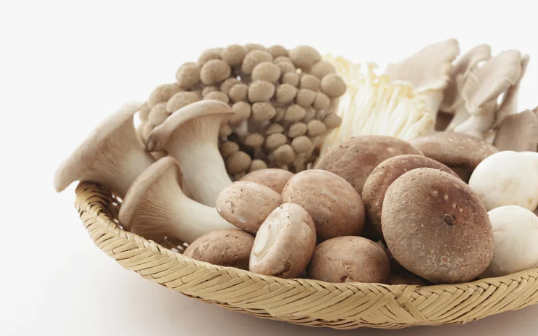
Why Mushrooms Are a True Superfood
At first glance, mushrooms might not seem remarkable. But their nutritional profile is extraordinary for a food this versatile and flavorful. A 3.5-ounce serving contains just 22 calories, less than half a gram of fat, 3.2 grams of carbohydrates, and 3 grams of protein — along with meaningful amounts of fiber.
For anyone following the calorie density principles at the heart of the Peace Diet, mushrooms are close to ideal. They are extraordinarily low in calories relative to their weight and volume — meaning they physically fill the stomach, trigger satiety signals, and satisfy hunger without contributing meaningfully to caloric intake. You can eat a large, satisfying portion of mushrooms and consume fewer calories than a single bite of many processed foods.
But the most remarkable thing about mushrooms is not just what they lack — it is what they contain.
Anti-Diabetic Properties
Research has identified several bioactive compounds in mushrooms that appear to directly support blood sugar regulation. Beta-glucans — the same soluble fiber found in oats that helps lower cholesterol — are present in significant quantities in many mushroom varieties. These compounds slow the absorption of glucose from the digestive tract, preventing the sharp post-meal blood sugar spikes that stress the pancreas and contribute to insulin resistance over time.
Beyond beta-glucans, certain mushroom compounds have been shown to improve insulin sensitivity directly — helping cells respond more effectively to insulin and take up glucose more efficiently. Studies on specific mushroom varieties, including shiitake, maitake, and reishi, have found meaningful reductions in fasting blood sugar and improvements in glucose tolerance in research subjects.
For people with prediabetes or type 2 diabetes, incorporating mushrooms regularly into the diet is one of the most practical and enjoyable dietary strategies available — particularly because they can be added to virtually any meal without dramatically changing its character.
The Umami Advantage
One of the most underappreciated aspects of mushrooms as a health food is their rich, savory umami flavor. Umami — often described as the fifth taste alongside sweet, sour, salty, and bitter — is a deep, satisfying savoriness that signals protein and complexity to the brain. Foods high in umami are inherently more satisfying, which means they naturally reduce the urge to overeat.
This is particularly valuable for people transitioning away from meat-heavy diets. Mushrooms provide that same savory depth and textural satisfaction that makes meat so appealing — without the saturated fat, cholesterol, and excess calories that come with animal products. When mushrooms are cooked — sautéed, roasted, grilled, or added to soups and stews — their umami compounds concentrate and intensify, making them genuinely delicious as a primary ingredient rather than just a side note.
Versatility in the Kitchen
Part of what makes mushrooms such a practical superfood is how easily they integrate into existing recipes. They can be added to stir-fries, grain bowls, soups, pasta dishes, omelets, tacos, and salads. They can be used as a meat substitute in burgers, bolognese, and stuffed dishes. They can be eaten raw in salads or cooked in almost any method imaginable.
Almost every cuisine in the world — Japanese, Chinese, Italian, French, Hawaiian, Filipino, Mexican — has a tradition of cooking with mushrooms. This makes them one of the most culturally accessible healthy foods available, regardless of background or cooking tradition.
Varieties worth exploring include shiitake (particularly rich in immune-supporting lentinan), maitake (studied for blood sugar effects), oyster mushrooms (high in protein relative to other mushrooms), cremini and portobello (widely available and versatile), and reishi (used in traditional medicine for centuries).
A Simple Addition With Significant Impact
Dr. Shintani’s message is straightforward: you do not have to eat less to be healthy. You have to eat differently. Replacing calorie-dense, nutritionally empty foods with calorie-light, nutrient-rich foods like mushrooms allows you to eat satisfying, enjoyable meals while naturally moving toward a healthier weight and better blood sugar control.
Think about adding mushrooms to your next meal. They are inexpensive, widely available, easy to cook, and genuinely delicious. And as the research increasingly confirms — they are doing far more for your health than their humble appearance might suggest.
Dr. Terry Shintani is a Harvard-trained physician (MD, JD, MPH), a Living Treasure of Hawai’i, and the creator of the Waianae Diet and the Peace Diet. He continues to see patients at his Honolulu practice and shares daily health insights on YouTube.
🌿 Learn more at PeaceDiet.org | Watch the video: https://www.instagram.com/p/DahOCP_Tuu9/