








Chronic pain is one of the most debilitating conditions affecting millions of people worldwide. Arthritis alone — in its various forms — affects more than 54 million Americans, making it one of the leading causes of disability in the country. For many, the standard medical response is a prescription for non-steroidal anti-inflammatory drugs (NSAIDs) like ibuprofen or naproxen, or stronger medications that carry significant long-term risks including stomach bleeding, kidney damage, and cardiovascular complications.
Dr. Terry Shintani’s approach, as always, begins with food. A whole-food, plant-based, anti-inflammatory diet — rich in the foods outlined in his earlier article on the seven best foods for arthritis — addresses the root cause of chronic inflammation rather than simply masking its symptoms. But for those who need additional support alongside a healthy dietary foundation, certain natural supplements have a compelling body of clinical evidence behind them.
Here are Dr. Shintani’s top five supplements for arthritis and chronic pain control.
1. Willow Bark
Willow bark is one of the oldest pain remedies in human history — its use dates back thousands of years across ancient Egypt, Greece, and China. The reason it has endured is simple: it works. Willow bark contains a compound called salicin, which the body converts to salicylic acid — the same active compound that forms the basis of aspirin.
Unlike synthetic aspirin, however, willow bark releases salicin more slowly and gently, providing more sustained pain relief with a lower risk of the stomach irritation that aspirin commonly causes. Clinical studies have shown willow bark extract to be effective for reducing pain associated with osteoarthritis, lower back pain, and headaches. It is one of the clearest examples of a traditional remedy that modern science has fully validated.
It is worth noting that people who are allergic to aspirin should also avoid willow bark, and it should not be combined with blood-thinning medications without medical supervision.
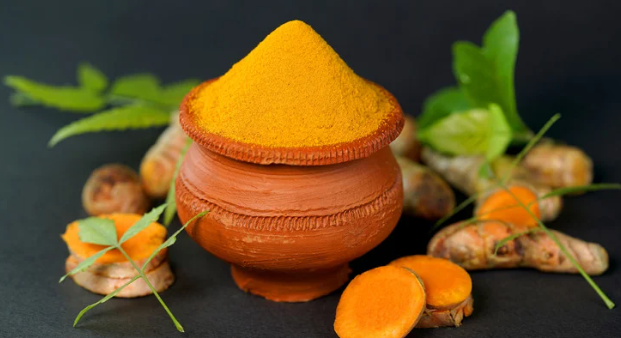
2. Curcumin (Turmeric)
Curcumin — the active anti-inflammatory compound in turmeric — is arguably the most studied natural anti-inflammatory substance in the world. It works by inhibiting multiple inflammatory pathways simultaneously, including NF-κB — a master regulator of the inflammatory response that is overactive in people with arthritis and other chronic inflammatory conditions.
Multiple randomized controlled trials have compared curcumin supplementation to NSAIDs like ibuprofen for arthritis pain relief — and the results have been remarkable. Several studies have found curcumin to be comparably effective to ibuprofen for knee osteoarthritis pain, without the gastrointestinal side effects.
The critical factor with curcumin is absorption. On its own, curcumin is poorly absorbed by the digestive tract. But combining it with piperine — the active compound in black pepper — increases curcumin’s bioavailability by an extraordinary 10 to 20 fold. When choosing a curcumin supplement, always look for one that includes piperine or black pepper extract. Alternatively, cooking turmeric with black pepper in food achieves the same effect.
3. Boswellia (Frankincense)
Boswellia serrata — the resin of the frankincense tree — has been used in Ayurvedic medicine for centuries for joint pain and inflammatory conditions. Its active compounds, called boswellic acids, work through a different mechanism than most anti-inflammatory agents: they specifically inhibit an enzyme called 5-LOX (5-lipoxygenase), which plays a key role in the production of leukotrienes — inflammatory molecules that contribute significantly to joint swelling and pain.
This unique mechanism makes boswellia particularly valuable because it complements rather than duplicates the action of other anti-inflammatory supplements. Clinical trials have shown boswellia extract to significantly reduce pain, improve joint function, and decrease swelling in people with osteoarthritis and rheumatoid arthritis. Some studies have shown meaningful improvement in as little as four weeks of supplementation.
Boswellia is generally well tolerated with minimal side effects — a significant advantage over many pharmaceutical alternatives for long-term pain management.
4. Omega-3 Fatty Acids
Omega-3 fatty acids — particularly EPA and DHA from fish oil, or ALA from flaxseed oil — are among the most well-researched natural anti-inflammatory compounds available. They work by shifting the body’s production of signaling molecules called eicosanoids away from pro-inflammatory varieties toward anti-inflammatory ones — essentially recalibrating the body’s baseline inflammatory state.
For arthritis specifically, multiple clinical trials have shown that omega-3 supplementation reduces joint tenderness, morning stiffness, and the need for NSAIDs in people with rheumatoid arthritis. The effects are not immediate — omega-3s typically require consistent supplementation over several weeks to months to produce their full anti-inflammatory benefit — but they are meaningful and well-documented.
For those following a plant-based diet, flaxseed oil provides ALA omega-3s, and algae-based supplements provide EPA and DHA directly — the same forms found in fish oil — without fish-derived products. Since fish obtain their omega-3s from algae in the first place, algae-based supplements are a direct and sustainable source.
5. Ginger
Ginger has been used as a medicinal plant for over 5,000 years across Asian, Arabic, and African cultures — primarily for digestive and inflammatory conditions. Its active compounds, called gingerols and shogaols, have powerful anti-inflammatory and antioxidant properties that work through mechanisms very similar to curcumin — making ginger a close relative in terms of its biological activity.
Research has shown that ginger supplementation reduces pain and stiffness in people with osteoarthritis of the knee, with some studies finding effects comparable to ibuprofen. Ginger also appears to reduce the markers of systemic inflammation — including C-reactive protein and prostaglandins — that contribute to chronic pain throughout the body.
One of ginger’s additional advantages is its well-established safety profile and its dual role as both a supplement and a culinary ingredient. Fresh ginger, dried ginger powder, and ginger supplements all provide anti-inflammatory benefits — making it one of the easiest natural pain remedies to incorporate into daily life.
Using These Supplements Wisely
These five supplements — willow bark, curcumin, boswellia, omega-3s, and ginger — each address inflammation through different mechanisms, which means they can be complementary when used together. However, several important considerations apply:
First, always discuss supplements with your physician before starting — particularly if you are taking blood thinners, NSAIDs, or other medications, as some of these supplements have interactions worth monitoring.
Second, supplements work best as part of a comprehensive anti-inflammatory lifestyle. The dietary foundation matters enormously — and a diet high in processed foods, saturated fat, and refined sugar will continue to drive inflammation regardless of what supplements are taken.
Third, for dosages and a more comprehensive list of supplements for arthritis and pain — including seven additional options — Dr. Shintani’s free eBook Health Secrets is available at PeaceDiet.org.
Pain does not have to be managed with drugs alone. Nature has provided a remarkable pharmacy of anti-inflammatory compounds — and the research increasingly confirms their power.
Dr. Terry Shintani is a Harvard-trained physician (MD, JD, MPH), a Living Treasure of Hawai’i, and the creator of the Waianae Diet and the Peace Diet. He continues to see patients at his Honolulu practice and shares daily health insights on YouTube.
🌿 Learn more at PeaceDiet.org | Watch the video: https://www.instagram.com/p/DajydN1TLax/
📖 Also read — 7 Best Foods to Fight Arthritis and Pain Naturally: https://drshintani.com/wordpress/2026/07/02/7-best-foods-to-fight-arthritis-and-pain-naturally/