






Japan has long fascinated researchers and health professionals for one simple reason: the Japanese consistently live longer than almost anyone else on earth. For decades, Okinawa — a small island prefecture in southern Japan — held the record for the highest concentration of centenarians in the world. Researchers studying this phenomenon coined the term “Blue Zone” to describe places where people routinely live past 100 in good health.
What is their secret?
While many factors contribute to Japanese longevity — strong social bonds, purposeful daily life, regular movement — the food stands out as particularly significant. Traditional Japanese cuisine is rich in specific plant foods and fermented ingredients that modern science is only now beginning to fully understand. Dr. Terry Shintani, a Harvard-trained nutritionist and physician who has spent decades studying traditional diets and their health effects, points to seven superfoods in particular that may help explain Japan’s extraordinary lifespan.
1. Konjac
Konjac is a plant root that has been consumed in Japan for over a thousand years, most commonly in the form of a gelatinous noodle or cake called konnyaku. It is one of the most fiber-dense foods in the world, containing a unique soluble fiber called glucomannan that expands dramatically in the stomach, creating a powerful sense of fullness with almost zero calories.
Glucomannan has been clinically shown to slow the absorption of glucose after meals — helping to stabilize blood sugar — and to reduce LDL cholesterol by binding to bile acids in the digestive tract. For a population with lower rates of obesity and diabetes than almost anywhere in the developed world, konjac may be a significant contributing factor.
2. Natto and Nattokinase
Natto is fermented soybeans — sticky, pungent, and an acquired taste for most Westerners, but a breakfast staple in many parts of Japan. Its health benefits are substantial. Natto is exceptionally high in vitamin K2, which plays a critical role in directing calcium to bones rather than arteries — potentially reducing cardiovascular calcification. It also contains nattokinase, a unique enzyme produced during the fermentation process that has been shown to help break down blood clots and support healthy circulation.
Research into nattokinase has expanded significantly in recent years, with studies suggesting it may help reduce blood pressure, prevent deep vein thrombosis, and even break down the spike proteins associated with certain viral infections. As a food source of this remarkable enzyme, natto is difficult to replicate with any supplement.
3. Shiitake Mushrooms
Shiitake mushrooms are one of the most studied medicinal foods in the world. They contain a unique polysaccharide called lentinan, which has been shown to stimulate immune function and has been used as an adjunct therapy in cancer treatment in Japan for decades. Shiitake also contains eritadenine, a compound that helps reduce cholesterol, and beta-glucans that support the immune system’s ability to identify and destroy abnormal cells.
Regular consumption of shiitake has been associated with reduced inflammation, improved cardiovascular markers, and enhanced immune surveillance — the body’s natural ability to detect and eliminate early-stage cancer cells before they develop into tumors.
4. Bitter Melon
Bitter melon — known in Japan as goya and particularly popular in Okinawa — is one of the most potent blood-sugar-regulating foods known to science. It contains at least three active compounds — charantin, vicine, and polypeptide-p — that work through insulin-like mechanisms to lower blood glucose. Studies have shown that bitter melon can meaningfully reduce fasting blood sugar levels and improve glucose tolerance in people with type 2 diabetes.
In Okinawa, goya champuru — a stir-fry of bitter melon, tofu, egg, and pork — is a daily staple. Given that Okinawa has historically had some of the lowest rates of diabetes in Japan, the regular consumption of bitter melon is almost certainly part of that picture.
5. Miso
Miso — fermented soybean paste — is the base of Japan’s most iconic dish: miso soup, consumed at virtually every meal in traditional Japanese households. As a fermented food, miso is rich in beneficial bacteria that support gut health and immune function. It also contains isoflavones — plant compounds that have been associated with reduced risk of certain hormone-dependent cancers, improved bone density, and cardiovascular protection.
Interestingly, despite being a salty food, studies on Japanese populations have not shown the expected blood pressure increases from miso consumption — possibly because the fermentation process and accompanying nutrients offset the sodium’s effects.
6. Green Tea (Matcha)
Japan’s relationship with green tea spans centuries, and the science behind it is compelling. Green tea is extraordinarily rich in catechins — particularly EGCG (epigallocatechin gallate) — one of the most potent antioxidants found in any food. EGCG has been shown to inhibit the growth of cancer cells in laboratory studies, reduce LDL oxidation, improve insulin sensitivity, and support fat metabolism.
Matcha, the powdered form of green tea used in Japanese tea ceremonies, contains dramatically higher concentrations of these compounds than steeped green tea, since the entire leaf is consumed. Regular green tea consumption has been associated in population studies with reduced rates of cardiovascular disease, type 2 diabetes, and certain cancers.
7. Seaweed
Seaweed — consumed in Japan in forms like nori, wakame, and kombu — is one of the most nutritionally dense foods on earth. It is exceptionally rich in iodine (supporting thyroid function), fucoidan (a compound with documented anti-cancer, anti-inflammatory, and antiviral properties), and a wide spectrum of minerals that are largely absent from land-grown produce.
Fucoidan in particular has attracted significant research attention for its apparent ability to trigger apoptosis — programmed cell death — in cancer cells, while leaving healthy cells unaffected. Japanese populations consume far more seaweed than any other country, and their correspondingly lower rates of certain cancers — particularly breast and prostate cancer — have led researchers to investigate seaweed as a contributing protective factor.
The Bigger Picture
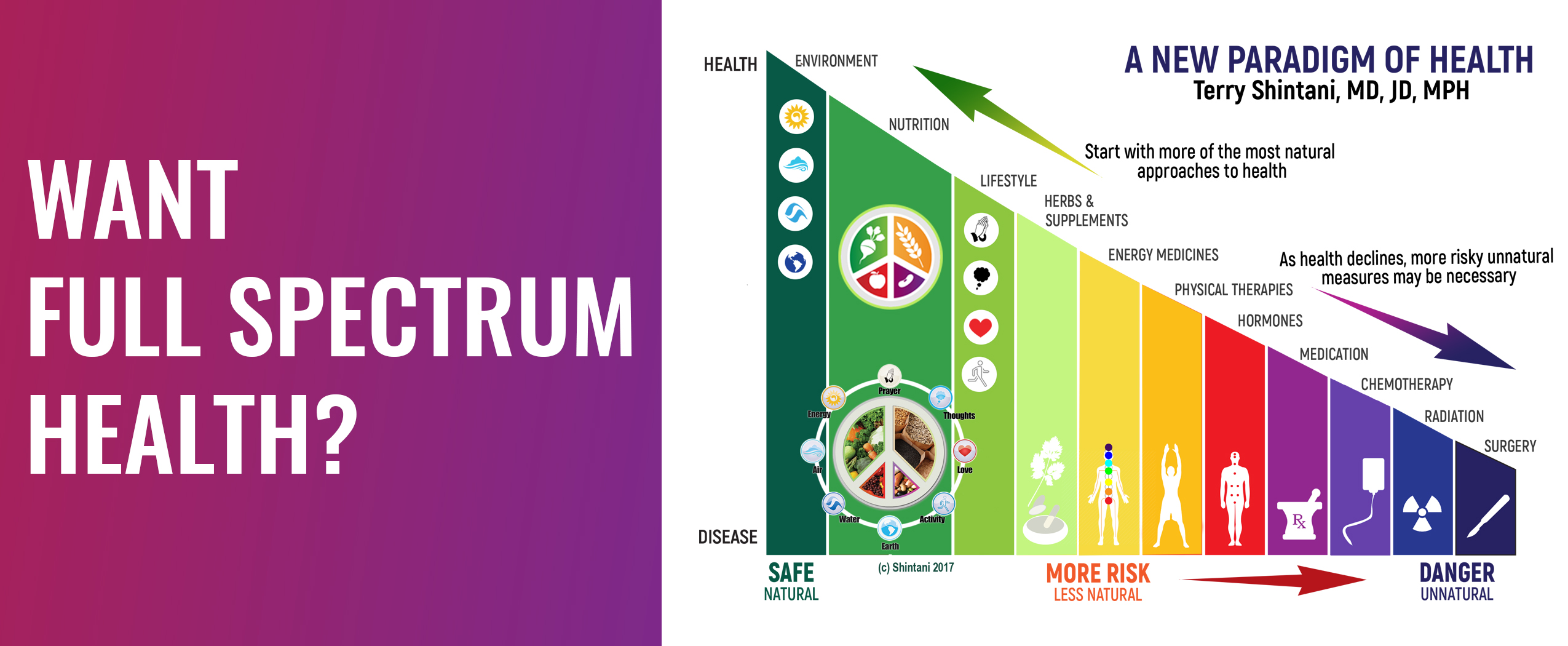
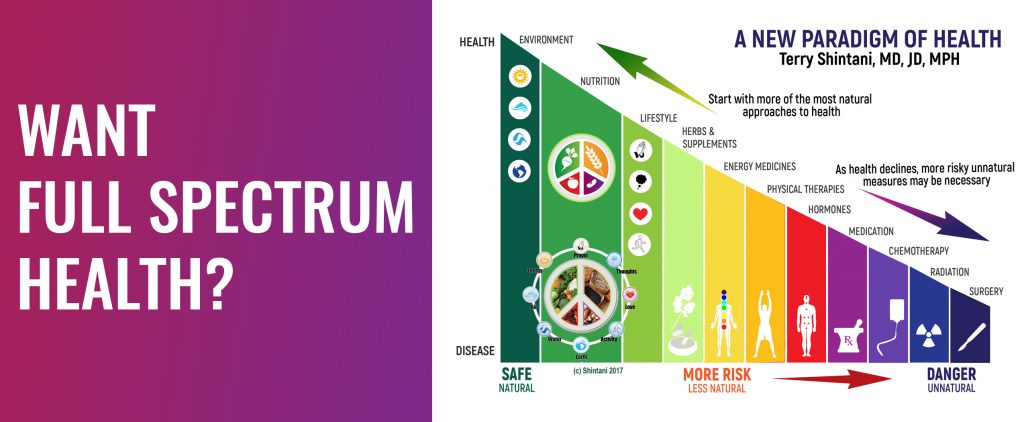
What these seven foods have in common is that they are all traditional, minimally processed, whole foods that have been part of Japanese culture for centuries — long before anyone was studying them in laboratories. Their benefits are not the result of isolated compounds extracted and concentrated into pills. They come from eating real food, regularly, as part of a balanced dietary pattern.
This is precisely the philosophy behind the Peace Diet. The lesson from Japan is not to eat Japanese food specifically — it is to eat the way humans ate before food became an industrial product. Whole, fermented, plant-centered, and deeply connected to cultural tradition.
The Japanese didn’t set out to live to 100. They just ate well, moved their bodies, stayed connected to their communities, and let the food do its work.
Dr. Terry Shintani is a Harvard-trained physician (MD, JD, MPH), a Living Treasure of Hawai’i, and the creator of the Waianae Diet and the Peace Diet. He continues to see patients at his Honolulu practice and shares daily health insights on YouTube.
🌿 Learn more at PeaceDiet.org | Watch the video: https://www.instagram.com/p/DaUaLXaTyOo/